

Say Goodbye To Squirrels, Rabbits, And Other Garden Pests With This Cayenne Pepper Trick
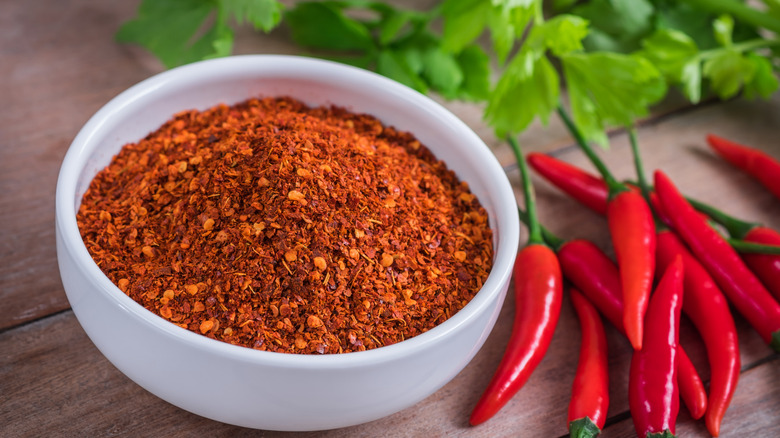
As much as we love a garden teeming with wildlife, cute little critters like rabbits and squirrels are a lot less adorable when they start munching their way through your veggie patch or flower beds. What you need is a safe deterrent that won't harm these animals, your plants, or the environment. Fortunately, there are a number of highly effective natural pest control methods for protecting your garden, and one of them involves cayenne pepper.
Cayenne peppers are spicy thanks to an active compound called capsaicin. While humans may have developed a taste for spicy food, that heat is actually part of the pepper's natural defense mechanism. This means most mammals will instinctively avoid the irritating smell and taste of cayenne peppers and move on in search of a more suitable food source. The easiest approach is to lightly sprinkle ground cayenne pepper around the base of your most vulnerable plants, along the edges of your planting beds, and anywhere there are signs of animal activity. You can also mix the ground pepper with water and a few drops of natural soap in a spray bottle to apply directly to your plants. While cayenne pepper is generally safe for plants, this method is best saved for non-edible greens — nobody wants to eat spicy lettuce with a soapy aftertaste.
The main drawback of using cayenne pepper to repel pests is that it's a temporary solution. Watering will wash it away before long, so you need to keep reapplying it pretty regularly, especially after it has rained. It's also worth noting that while this technique is effective against most mammals, birds are typically unfazed by capsaicin. Ultimately, cayenne pepper should be used as part of a broader pest management strategy, but with consistent application, you might just convince unwanted garden visitors that your yard isn't worth the bother.
Household staples that may help keep garden pests away
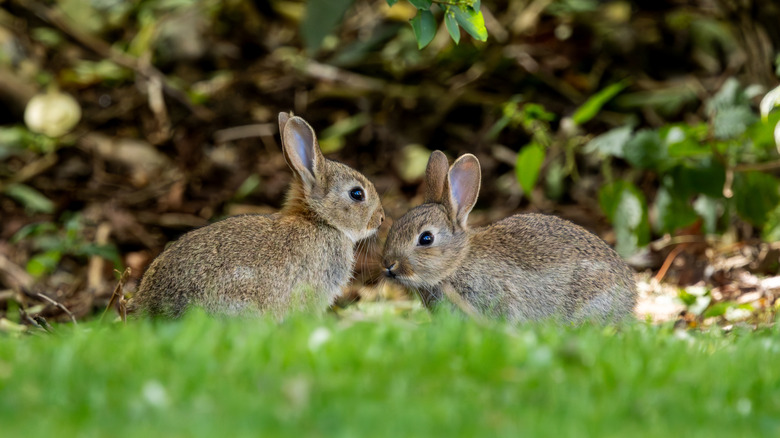
Cayenne pepper is far from the only pantry staple that people use for pest control. Garlic is another option — some mammals find the aroma unpleasant, while those that rely on their sense of smell to find food may become confused by the pungent odor. While you may find some success with garlic powder, a spray made with fresh garlic will have a stronger scent and therefore be more effective. You can even mix garlic with cayenne pepper in the spray for a powerful, combined effect.
Meanwhile, some gardeners recommend sprinkling spent coffee grounds around plants to ward off pests. Besides having a strong scent, the bitter flavor could also help in deterring unwelcome wildlife like slugs and snails, and some believe the granular texture may be uncomfortable for larger animals like rabbits to walk on. By combining cayenne pepper with coffee grounds, you can address both texture and scent in one natural repellent. Plus, coffee grounds can be a great soil additive in some cases, so you're getting twice the benefits.
Another natural approach to pest control is to use visual deterrents. Some folks will place aluminum foil around their at-risk plants, tearing it into strips or rolling it into balls and hanging it off stakes or string. When caught in the wind, they can flash as they reflect light, which might scare away particularly skittish critters. Whatever methods you choose, it's often worth switching things up from time to time. Pests can be both smart and persistent when they're searching for food, and they may learn to ignore your defenses once they realize they pose no real threat.