

The Countertop Appliances You Should Unplug During A Heatwave
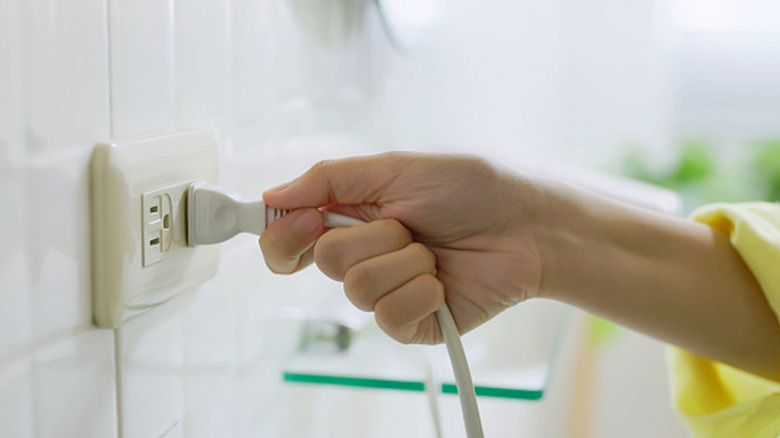
Heat waves, or prolonged periods of high temperatures, can pose health and safety risks for people of all ages. If you're concerned about protecting yourself and your home from the damaging effects of heat, you can start by turning off certain appliances. While major appliances generate added heat that could make your home uncomfortable, even small countertop appliances can increase indoor temps and energy costs, and potentially become damaged during summer storms.
The kitchen appliances you should always unplug during a heat wave are ones that are rarely used, like toasters, electric kettles, blenders, and stand mixers. Other small appliances that may generate heat or pose a safety risk during a heat wave, storm, or power outage are air fryers, espresso machines, and food processors. You might also consider unplugging your microwave and dishwasher if you can get by without using them.
Unplugging small appliances before a storm or heat wave can help reduce strain on your city's electrical grid. Even when your devices are turned off, they may still be drawing power, which can stress an already overworked electrical system and potentially increase household energy costs and the risk of a power outage. Because these appliances may also emit residual heat, they can also raise ambient room temperatures, which is the last thing you want during a heat wave.
Extreme temperatures can be a sign of an incoming thunderstorm, which carries the added risk of lightning, power surges, and electrical outages. A power surge can damage delicate or expensive home appliances or even increase the risk of a fire, adding more reason to unplug non-essential gadgets.
Take care to balance efficiency and safety during heat waves
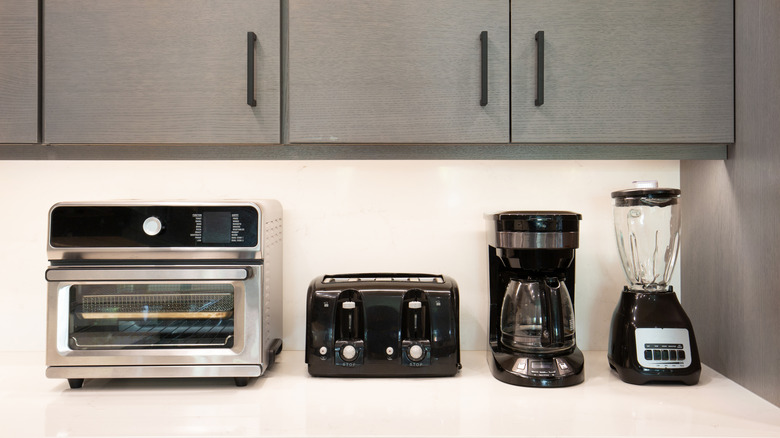
Although it's wise to conserve energy during a heat wave, you should also prioritize your safety and comfort. Using certain small appliances for a short period of time may be safe, and help you avoid the need to use larger ones that may generate even more heat. For instance, occasionally using your microwave, air fryer, or electric griddle will allow you to cook meals without significantly increasing the temperature in your home the way your stovetop or oven would. If you unplug these appliances after using them, you can still maintain the comfort and safety of your home. You should also have a plan in place for protecting perishable foods from summer power outages and heat waves.
Be aware of common food safety rules, such as how long perishable food can remain unrefrigerated before going bad, and whether you can eat canned food after a heat wave power outage. If the power goes out during a heat wave, undamaged, unopened canned goods are still safe to eat. Food in your refrigerator can stay good for two to four hours if the door remains closed. Frozen food can remain safe for 24 to 48 hours. Most perishable foods will still be safe if left at room temperature for two hours or less. Perishables are safe in a cooler of ice as long as you keep refreshing the ice and the temperature remains at or below 40 degrees Fahrenheit.