

Pickle Juice Can Kill Weeds, But It Carries Garden-Wide Risks
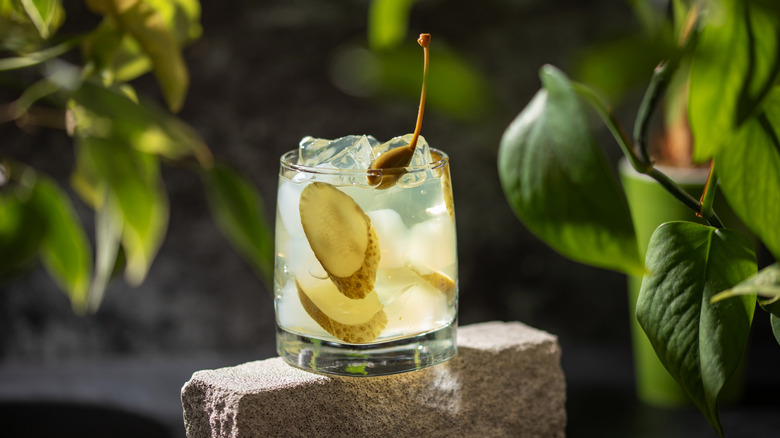
Fighting off weeds in the garden can be a major hassle, and this is especially true if you want to avoid using harsh chemicals. While off-the-shelf herbicides might be effective in suppressing unwanted garden bed visitors, they can wreak havoc on the rest of your garden's ecosystem. But recently, we learned that pickle juice is an effective and natural way to kill weeds — so effective, in fact, you need to be careful where and how you wield it in your garden.
To begin, you should first dilute the pickle juice in a spray bottle with a 1:20 mixture with water. Once your solution is prepared, apply it directly to the leaves and stem of your weeds and let it handle the rest.Just as vinegar is an effective weed killer, pickle juice works in a similar way. In both liquids, the acetic acid does most of the dirty work. And in the case of pickle juice, the addition of salt is effective in tackling the roots and making it difficult for weeds to absorb water, ultimately killing them off.
Of course, preserving our environment is one major reason we're big proponents of using natural weed and pest prevention methods. This also goes hand-in-hand with cutting back on food waste in our home kitchens. However, because pickle juice is highly acidic, there are some considerations you should keep in mind before you apply it in your garden.
How to effectively use pickle juice in the garden
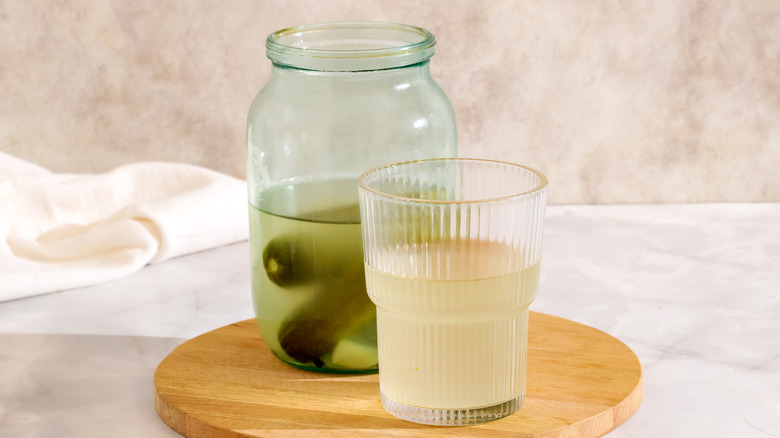
While there are many ways you can reuse your leftover pickle juice, using it as weed-killer is a great option if your brine has turned moldy. It'll still work in this case — but fresh or not, it's imperative that you do not use a blanket application method. A targeted approach is key because pickle juice can also kill off any plants, trees, and flowers you want to keep around. You also don't want to dump too much into your garden; this way you can avoid saturating the ground or causing any run-off that can kill wanted plants.
Once you've applied your pickle juice accordingly, you also don't have to toss the rest. Instead, you can use the remaining solution on the soil surrounding any acid-loving plants, such as hydrangeas and rhododendrons. In these cases, pickle juice is ideal for enhancing your soil's pH.
However, unlike with your weed application, never apply the brine directly to the plant itself. In this case, you'll want to pour the pickle juice on the soil surrounding your acid-lovers, because acidifying the ground is your focus here. When applied directly to any plant, it'll likely have the same effect as it does on the weeds.