

Cast Iron Vs Stainless Steel: Which Is Better For Grill Grates?

When it comes time to choose a grill, a lot of time is spent weighing the value of gas versus coal or choosing between things that don't even sound like grills, (abstract names like kettles versus Big Green Eggs, for example). One choice that may get taken for granted, however, is what the grate is actually made from, with a big decision hinging between stainless steel or cast iron. This is, after all, the surface that your prized meat is cooking on, so it makes sense that this choice warrants some real consideration. As with so many things to do with cooking, it comes down to preference. Both stainless steel and cast iron have distinct pros and cons, differing in maintenance requirements, durability, and performance, among other aspects. The headline is that cast iron retains and transfers heat better, whereas stainless steel is easier to use and maintain, although there is a lot more to the dichotomy than just that.
It's well known that cast iron requires more elbow grease to maintain, and grill grates are no different. Cast iron is harder to wash, as soapy water is a no-go for fear of stripping the protective seasoning from the surface, exposing the metal to rust. This seasoning also needs to be maintained regularly, adding another layer of upkeep. Stainless steel, conversely, is far easier to maintain, and these grill grates can be cleaned often with water and soap without fear of rust. The downside to stainless steel's non-reliance on a seasoning, however, is that it doesn't benefit from a nearly non-stick quality.
Performance versus convenience
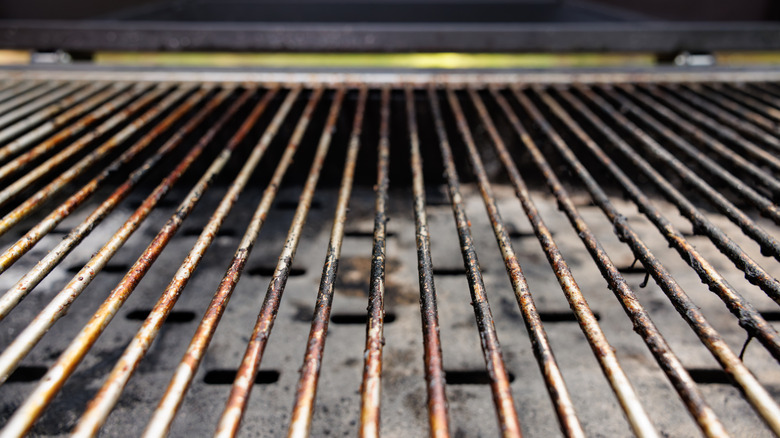
When it comes to performance, we can see strong pros and cons for both cast iron and stainless steel. Cast iron takes longer to heat up, but when it does, it stays hotter longer and does a better job of transferring that heat to your food. That means consistent cooking and a nicer sear on your steaks. Whether you're kicking off a mid-summer grill fest or trying to battle the cold weather for a great steak in the winter, cast iron can achieve and maintain great steak-searing temperatures. The downside to this quality, however, is that cast iron can be susceptible to thermal shock, cracking with abrupt changes in temperature. The fact that cast iron captures and keeps heat also makes it less than ideal for offset or indirect cooking, where it keeps the "cool" side of the smoker hotter than you might want.
Stainless steel is more transient, capturing and holding heat less effectively, but being able to heat up and cool down more easily. This makes it the more convenient choice when you've got less time or you're not looking for those picturesque grill marks. It also means steel is better for indirect cooking, where it won't capture and transfer excess heat as much as cast iron.
Who's in the cast iron crew and who's team stainless steel
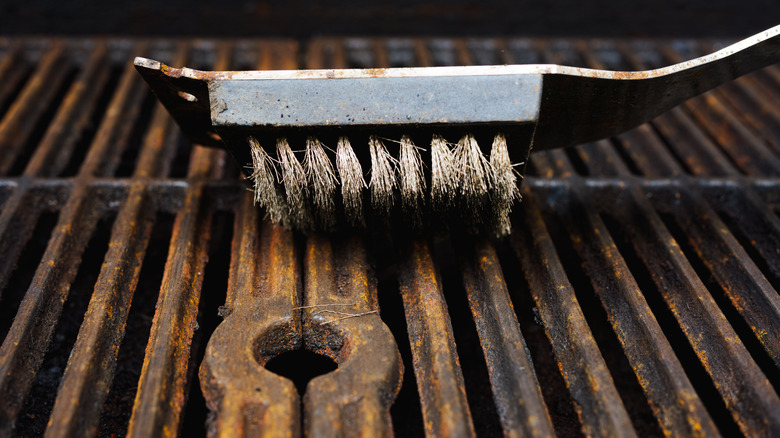
Stainless steel is often more expensive than cast iron, which can be a deciding factor for some. That said, stainless steel's durability over time is a factor worth considering, as years down the line the persistent battle against rust can start to be taxing, especially if you live in a humid climate. If you're drawn to the heat retention of cast iron, but you're put off by the level of upkeep it demands, you can also find porcelain-coated cast iron which doesn't require seasoning, although the coating might not last more than five years, while stainless steel often stays useable for over ten years.
This durability and resilience also makes stainless steel the more bullet-proof choice for beginner grillers, being far more forgiving. Similarly, those who have a more casual barbecue habit may appreciate the low commitment required of steel. Cast iron can also be pretty heavy and cumbersome, while stainless steel can be easier to remove, store, or transport.
There's a pretty strong case for stainless steel, so why bother with cast iron? Well, like many other facets of cooking, sometimes something requiring more effort makes it more rewarding. The seasoning that keeps the grates rust-free and creates a non-stick surface also provides a noticeable contribution to flavor. Built up grease and food debris that coats the iron cook after cook creates an irrefutable taste that some can't go without.