

What LongHorn Steakhouse, Ruth's Chris, And The Capital Grille All Do With Unsold Food
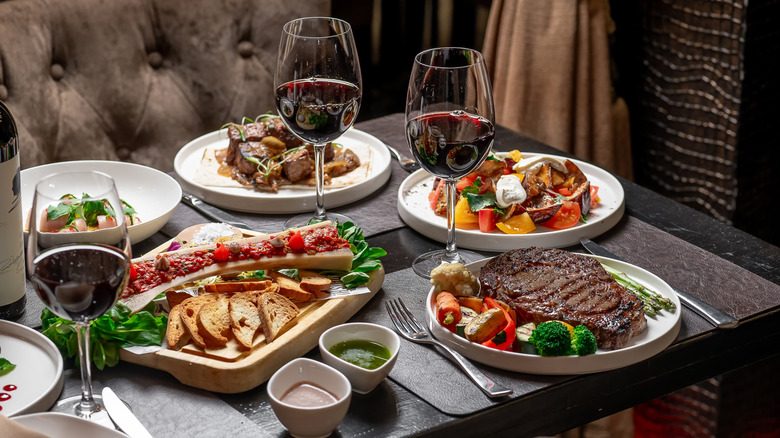
According to the U.S. Department of Agriculture, America throws away a third of the food it produces every year. That's 133 billion pounds of perfectly good food that's uneaten and simply discarded — a number so big, it's almost impossible to wrap your head around. May make you lose your appetite, too, especially if you know how serious food insecurity is in America.
A sizable chunk of all this waste comes from restaurants, including chains like LongHorn Steakhouse, Ruth's Chris, and The Capital Grille. Unfinished food from guests aside, restaurants stock and prepare a lot of food in a day, and not every day is busy enough for every last order of steak frites to be served. Luckily, these three restaurants are among the chain restaurants who have publicly shared what happens to their leftovers.
The trio is owned by the same parent company, Darden Restaurants, which has been fielding an in-house program to manage food waste since 2004. Called the Harvest program, it collects surplus, wholesome food that isn't served to guests each day and prepares it for donation to local nonprofits rather than throwing it in the trash. The program's a pretty successful one, and in addition to these direct food donations, Darden and its restaurants have become one of the largest contributors to Feeding America, the country's largest hunger relief organization.
Here's how Darden's Harvest program works
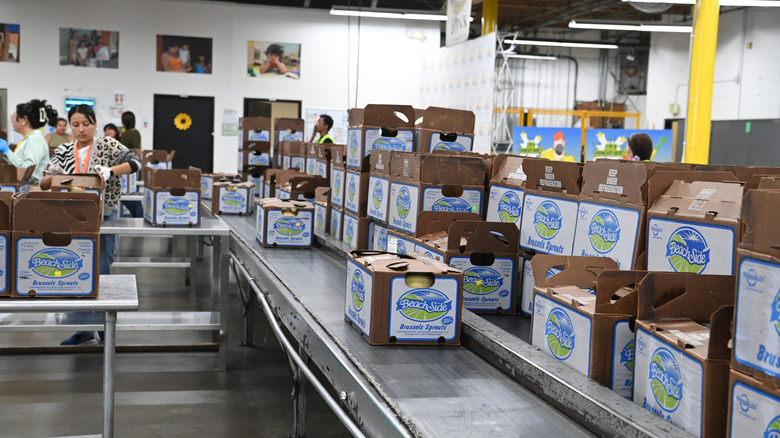
Food waste is a large component of the restaurant industry's waste stream, and the Harvest program was designed to address that directly. The mechanics are fairly simple: At every Darden location, kitchen staff prepare and freeze surplus food on-site, then package it for pickup. A local food bank or nonprofit partner — such as shelters or community organizations — stop by weekly to collect it.
LongHorn contributes all sorts of things, from sweet potatoes and shrimp to other ready-to-eat items, and donations like these can usually cover a full hot meal for shelter residents. The whole point of keeping things hyper-local is that food goes directly to communities near each restaurant without an overly long or complicated supply chain. And this approach has proven successful: Since the program launched, Darden's restaurants have donated more than 146 million pounds of food through Harvest.
Harvest isn't the only way Darden fights hunger, either. Beyond the program, Darden's foundation has donated a fleet of 54 refrigerated trucks to Feeding America food banks across 23 states. It's a good reminder that getting food to people who need it requires just as much infrastructure as cooking in the first place — perhaps even more.