

11 Ways The World Loves Eating Spam
Whether you're a lifelong fan of it or completely baffled by its cultural and culinary significance, there is no denying that Spam is more than just a cheap meat product. Introduced by the Hormel Corporation in 1937, this iconic product was not immediately popular. It was, after all, meat sold in a room-temperature can. How fresh could it be? Things changed forever for Spam and the rest of the world when the United States entered World War II. With its long shelf life and attractive price tag, this relatively new meat product was the perfect food for the army to buy in bulk for the troops, whether they liked it or not. During the war, over 100 million pounds of Spam were shipped abroad for soldiers to eat.
In the early 1970s, it re-entered the cultural lexicon through a Monty Python skit in which a restaurant serves only Spam. That sketch, in turn, became the inspiration behind the use of the word to describe unwanted texts and emails. Taking away all the cultural baggage, however, Spam is just a type of processed pork, and its continued sales suggest that plenty of people must enjoy it as a food rather than just a cultural symbol. Since 1937, over 9 billion cans of Spam have been sold across 50 countries, and while some people might simply prefer to eat it straight out of the tin, plenty of recipes have been created that are built around this peculiarly enduring pantry staple.
1. Spamsilog - Philippines
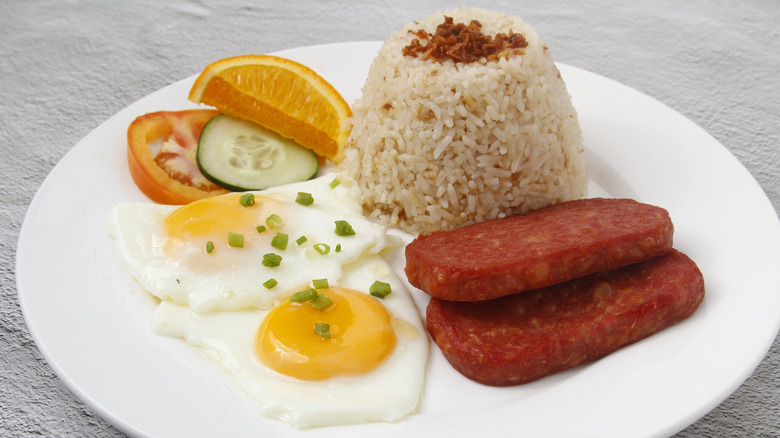
One of the unintended consequences of America's involvement in World War II was that Spam spread around the globe to wherever troops were stationed and was often adopted by the locals. In Southeast Asia, it remains highly popular, so much so that it has become the foundation for several widely available dishes. One of them is spamsilog, a variation on the breakfast dish known as silog.
The original dish is a combination of garlicky fried rice, a fried egg, and some type of meat. The dish has multiple names depending on the type of meat that is used, including tapsilog (a crispier take on steak and eggs) and, of course, Spamsilog. The best breakfasts are those that are quick, tasty, and filling, and this one definitely fits the bill. Using leftover rice makes it even faster, and the Spam doesn't even require cooking (though that certainly helps make it crispy and delicious). Serve it with banana ketchup, and you have a protein-packed meal that will fuel you till lunchtime. Like most Spam recipes, there is nothing fancy or complicated about Spamsilog, which is no doubt why it remains such a fixture. Quick, affordable, and tasty, it's a winning formula.
2. Fritters - Great Britain
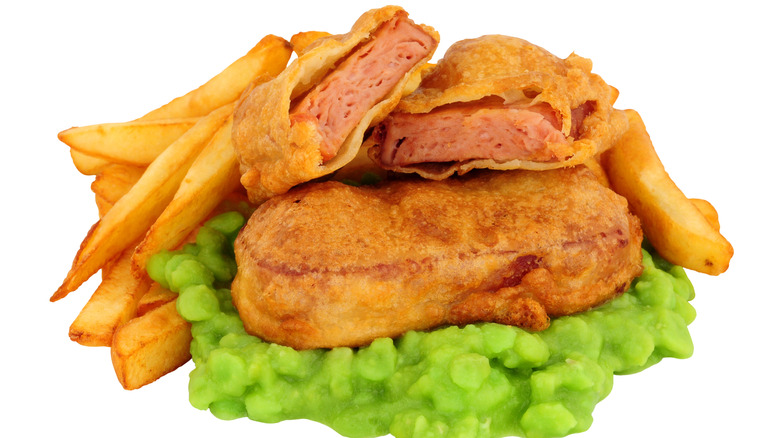
The U.K. hasn't embraced Spam as wholeheartedly as other countries. It has plenty of its meat-related dishes, from bangers and mash to haggis and black pudding. But there is one way that the Brits still enjoy this American staple. You can still find Spam fritters in the country, including on restaurant menus and in grocery stores. For example, Asda sells one product that costs less than £3 at the time of writing for four Spam slices covered in crispy batter, an economical purchase for anyone who needs a quick protein source in their meal.
Interestingly, the British relationship with Spam is almost as rich as America's and the Philippines'. After World War II, Britons lived under a strict regime of rations that took meat almost entirely off the menu. Households were limited to four ounces of bacon per week at certain times, while butter and cheese were limited to as little as one ounce per week. Even sugar was strictly rationed. In this time of scarcity, Spam was something of a miracle. Salty, flavorful, and mostly made of pork, it was practically gourmet, and British households treasured it.
Like the American GIs before them, many members of the U.K. public became accustomed to eating Spam at nearly every meal. It's possible that this over-saturation at mealtimes led to the abandonment of the product once rationing ended in 1954, but as the continued existence of Spam fritters demonstrates, there is still a market for this nostalgic meal-saver nearly 75 years later.
3. Spam kimbap - Korea
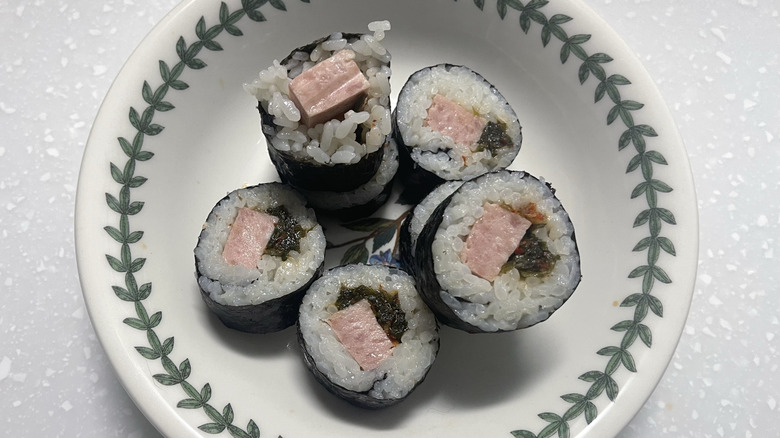
At first glance, you might assume that Spam kimbap is a type of maki, like the kind you would find at a sushi restaurant. Although it consists of various ingredients surrounded by a layer of rice and wrapped in a sheet of seaweed, the fillings in this particular dish are not widely used at traditional Japanese restaurants. Additionally, the rice in Korean kimbap is made with sesame oil rather than vinegar, the way sushi is, and it does not contain raw seafood. Common fillings include cheese, ham, and eggs, with Spam being a popular option as well.
It's no secret that Spam isn't the healthiest of proteins, especially if you compare it to the fresh, unseasoned fish found in sushi, but don't assume that kimbap is just another comfort food, either. In addition to the canned pork, it usually contains such fillings as eggs, fresh carrots, pickled radish, spinach, and burdock root, a type of root vegetable that is often used in Korean cuisine but can be tricky to find in the U.S. With this combination of nutritious veggies, Spam is a succulent, salty addition that provides just the right amount of tasty decadence to an otherwise light meal.
4. Spam musubi - Hawaii
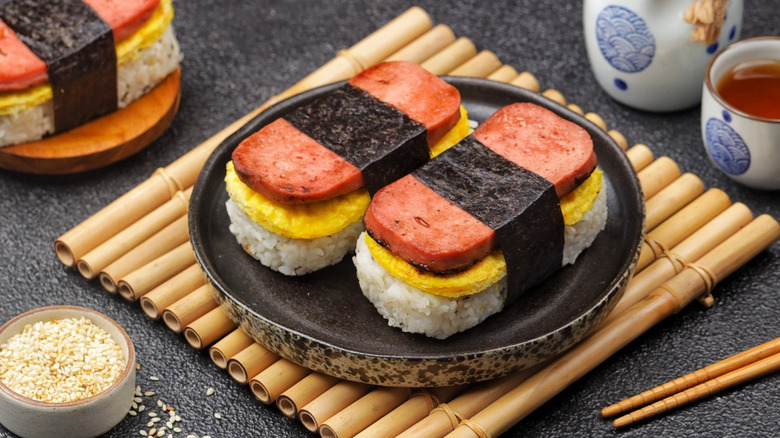
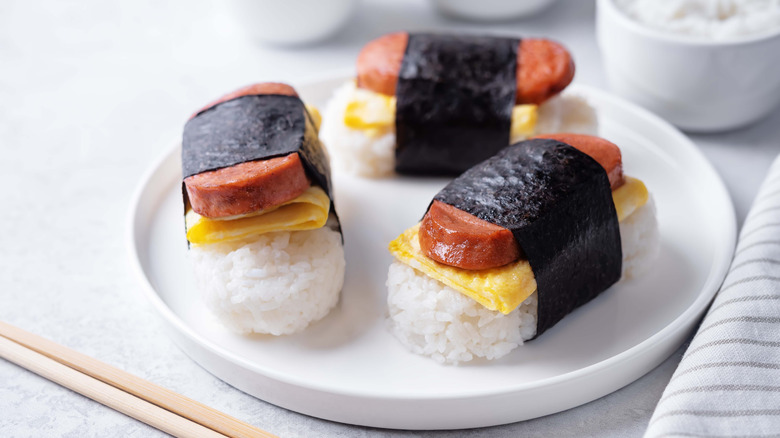
Spam musubi is a visually striking dish that typically contains just four basic ingredients –- Spam, sushi rice, nori (sheets of seaweed), and seasoning. In Hawaii, you might discover that many households have a designated musubi maker to make the process easier and the results neater, but at its simplest, this dish is created by shaping rice into rectangles, topping it with fried slices of Spam, and wrapping it in a sheet of nori. You can add flavor throughout the process, including by frying the meat in soy sauce and sugar to caramelize it, and sprinkling a seasoning called furikake onto each layer. Made with sesame seeds, fish flakes, and nori, furikake is an all-purpose seasoning for savory dishes that is more than the sum of its parts. You can even make furikake seasoning at home if you can't find it at the grocery store.
Musubi was supposedly invented by Barbara Funamura, a Japanese-American woman based in Hawaii during or shortly after World War II. It's an elegant dish made with the simplest of ingredients, and for places that were hit hard by the war and inundated with GIs, practicality and frugality were a necessity. Now, of course, musubi is so baked into Hawaiian cuisine that you can find it at every level of establishment, from gas stations to upscale Hawaiian cocktail lounges in Brooklyn.
5. Budae jjigae - Korea
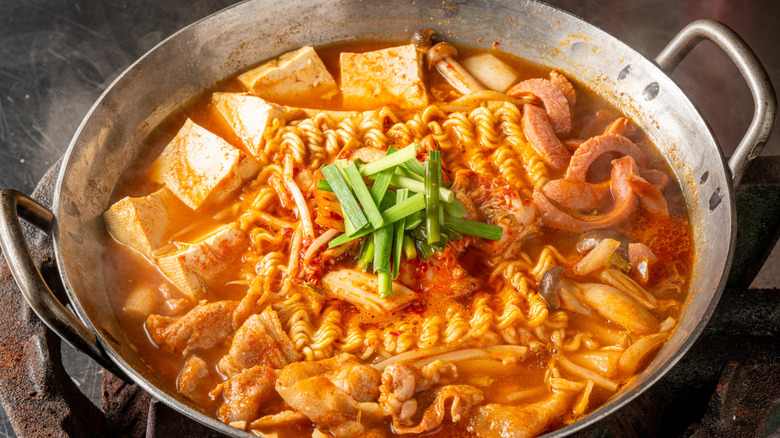
Another recipe that sprang up following a U.S. military presence is Korea's budae jjigae, a hearty stew that might have been invented out of scarcity but which more than holds its own on even the most elaborate menus today. Translated to "army stew," budae jjigae is made with chili peppers, kimchi, dumplings, rice cakes, noodles, and meat, including Spam, in a steaming red broth. It's the sort of dish that will warm you through on a cold winter's day and keep you full and satisfied.
The history of budae jjigae is not a happy one. During the Korean War, food shortages forced locals to innovate with what few ingredients they had, and, thanks to the standard U.S. army fare of Spam, it became a cornerstone ingredient. There is no definitive story about who invented the stew, but the most prominent one attributes it to Ho Gi-suk, who worked at a fish cake stand around the corner from an American military base.
According to her account, she created budae jjigae in 1954 from meat that was smuggled out of the base. Given the scarcity of ingredients, she and others had to rely on whatever the GIs left behind, including Spam and hot dogs, which are now staple ingredients in the stew. Due to its associations with a difficult period in the country's history, some older Koreans still refer to budae jjigae as "garbage stew," but its formula remains just as delicious and popular as ever.
6. Spam and egg macaroni soup - Hong Kong
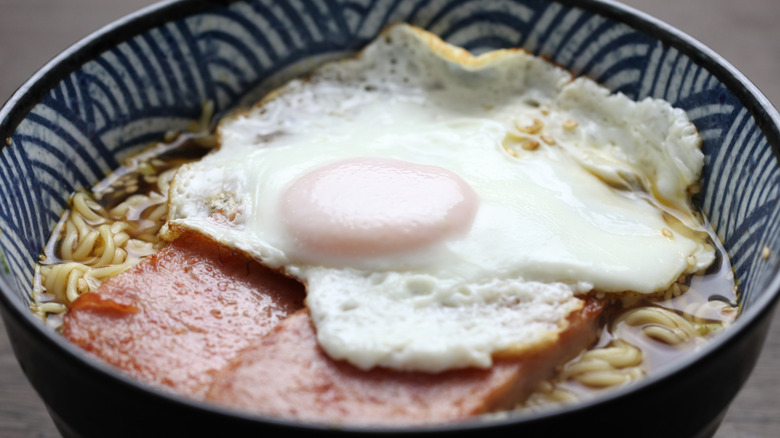
Macaroni is often paired with cheese, which yields a very particular type of comfort food that we can probably all agree is absolutely delicious. Hong Kong-style macaroni soup is not that, but trust us when we tell you that it is every bit as mouthwatering as the creamy, cheesy classic. Made with noodles, slices of Spam, vegetables, and a fried egg, this recipe is usually served as a breakfast food and is full of warming, flavorful additions like soy sauce, oyster sauce, sesame oil, spring onions, and ginger.
There is no definitive origin story for Hong Kong-style Spam and egg macaroni soup, but it likely appeared for the first time in the wake of World War II, like many of the other Spam-based dishes in the region. Part of the appeal of Spam was that Hong Kong was too small and urban to produce its own meat products, which made this American canned food a welcome delicacy. Cafes known as cha chaa tengs sprang up in Hong Kong with menus that fused Chinese and American cuisines to great effect. This soup remains a popular comfort food that deserves a place on menus around the world.
7. Goya chanpuru - Japan
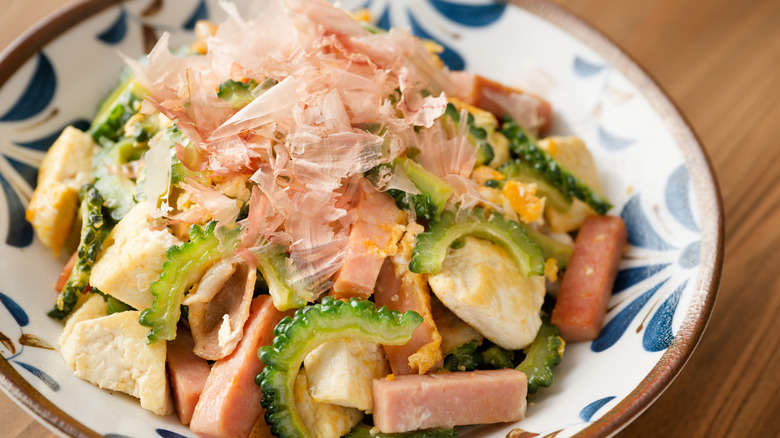
For those of us who are used to eating Spam in sandwiches or alongside eggs at breakfast, Japan's goya chanpuru is a testament to just how surprisingly versatile this humble product can be when paired with the right ingredients. Hailing from Okinawa, goya chanpuru roughly translates to "bitter melon stir-fry" and is made of bitter melon, tofu, Spam, and eggs. The main ingredient might suggest something along the lines of underripe cantaloupe, but it is actually its own type of fruit. It's a long, bumpy green gourd with a bitter but refreshing flavor, and it is prized particularly in Okinawan cuisine. When combined with a salty, meaty ingredient like Spam, the bitterness is offset, while the egg and tofu scramble also prevent the melon from overwhelming the dish.
Interestingly, goya chanpuru remained a dish mostly unique to the island prefecture of Okinawa for decades until the early 2000s, when a television show called "Churasan" brought about a widespread interest in Okinawan culture. Restaurants began to open around the country that specialized in the prefecture's cuisine and helped popularize dishes such as goya chanpuru.
8. Sandwiches de mezcla - Puerto Rico
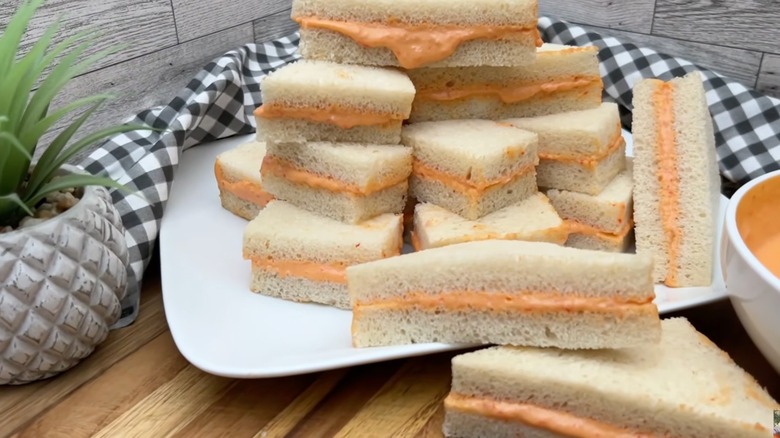
In Puerto Rico, sandwiches de mezcla are the perfect party food because why burden your guests with having to stand in line for chips and dip or make them hold little paper plates full of veggies when you could just give them sandwiches that have it all? Portable, delicious, and filling, this is definitely the way to go. They are made with mezcla, a cheese spread containing a puree of Spam, cheese, and pimento peppers. This is an ideal recipe for people who don't usually like Spam because it's all but invisible when combined with the other ingredients. It's all flavor without the usual rubbery texture.
Sandwiches de mezcla are often made with white sandwich bread with the crusts cut off. Think of them like that oh-so-fancy English garden party staple, the cucumber and butter sandwich, but with a much more addictive, luxurious flavor. Whether you're serving it to a horde of rowdy kids at a birthday party or a group of adults with sophisticated palates, this one's a crowd-pleaser that belongs on any list of Puerto Rican foods that you need to try at least once.
9. Spam and pineapple fried rice - Hawaii
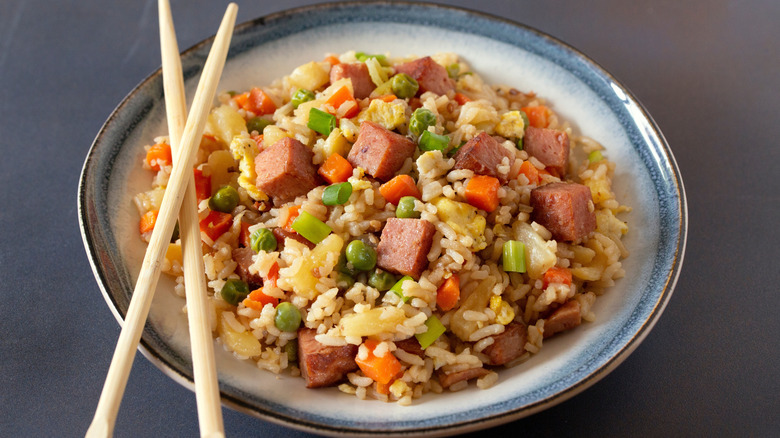
If you think you have nothing to cook with, you'll be amazed by just how complete and delicious a meal you can make with little more than leftover rice and a can of Spam. In Hawaii, this combination has been standardized into its own recipe. Known under various names, including Hawaiian-style fried rice and Hawaiian Spam and pineapple fried rice, this dish is made with leftover rice, Spam, Chinese sausage, and pineapple. As is usually the case with stir-fries, there are countless variations on the recipe. Some omit the pineapple, while others add eggs. Veggies are a popular option, and many recipes contain a host of flavorful add-ins like ginger, soy sauce, oyster sauce, and even mayonnaise.
It's difficult to pinpoint when this use of Spam was invented, and since stir-fries are often just a mixture of leftovers, we will probably never know for sure. However, this isn't just a recipe for home cooking. If you visit Hawaii, you may well find Spam fried rice on the menu at restaurants that celebrate local cuisine. With its mixture of savory and sweet flavors, as well as its filling ingredients, this is a delicious meal that will keep you satiated even if your taste buds are begging for seconds.
10. Candied spam - USA
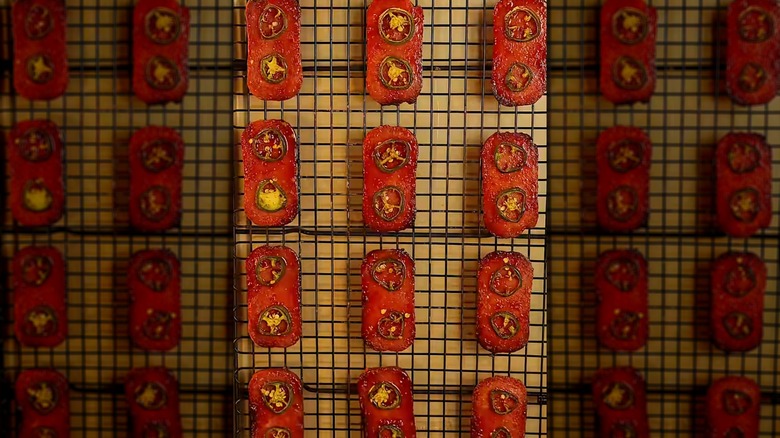
Sweetness and saltiness are a classic flavor combination that can transform both savory and sweet recipes, from mango chicken to peanut butter cups. Spam, with its salty umami meatiness, is just begging to be paired with something sugary, and it's surprising that there aren't more recipes that do so. That said, there are plenty of videos on TikTok demonstrating how to make candied Spam that have racked up a considerable number of views, suggesting that there is indeed a powerful appetite for it.
The beauty of candied Spam is that it's easy to make and even easier to serve. You might not want to eat a slab of Spam straight out of the can, but sauté it with a little brown sugar or honey, and it's basically a ready-made side dish. You can eat it for breakfast, brunch, or any other meal of the day. You can even follow the lead of the Spam website itself and sprinkle bits of the candied meat onto ice cream. If you can do it with bacon, you can do it with Spam. This option is infinitely better than the maple-flavored product that Hormel itself sells. When we did a ranking of every Spam flavor, it fell right in the middle, even though the flavor combination should be impossible to get wrong.
11. Spam kelaguen - Guam
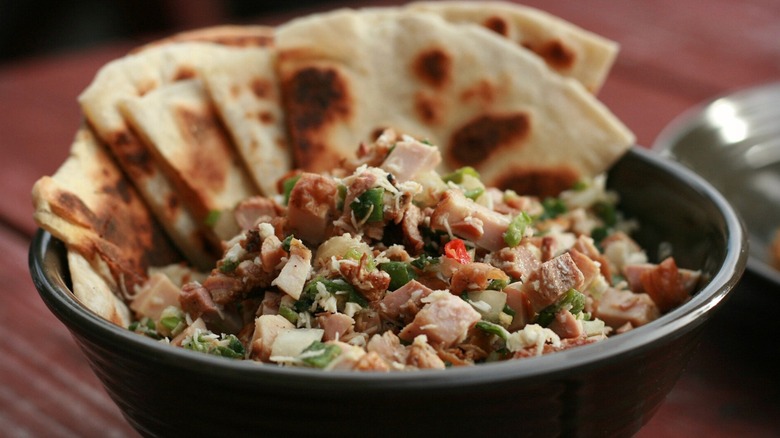
Guam is famously bullish about Spam. In fact, the residents of the island territory consume an average of 16 cans of the stuff per capita every year. As you might expect, this beloved pantry item has insinuated itself into a wide range of local recipes, including kelaguen, a dish that has ties to the indigenous CHamoru cuisine of the island. It's made with four main ingredients — shredded protein, onions, chilis, and citrus juice (usually lemon or calamansi). The protein is often grilled, but in the case of Spam, it can be used straight out of the can and mashed instead.
The history of Spam in Guam is inextricably linked to the island's history as a U.S. military territory. When the American military liberated Guam from Japanese occupation after the war, many of the islanders were starving and in desperate need of food. The U.S. had plenty of Spam at its disposal, so much so that it became something of a joke amongst GIs who got tired of eating it for nearly every meal. But for Guamanians, it was a lifeline, and it remains a star ingredient on menus and in households throughout the island.
Recognizing its historical significance, Hormel even issued Spam cans with special labeling to commemorate the 60th anniversary of the island's liberation from Japan. There are plenty of ways to celebrate the product, but kelaguen, with its indigenous roots, is one of the best.