

Not Frying Or Baking: This Unassuming Way To Cook Fish Preserves Its Omega-3 Nutrients
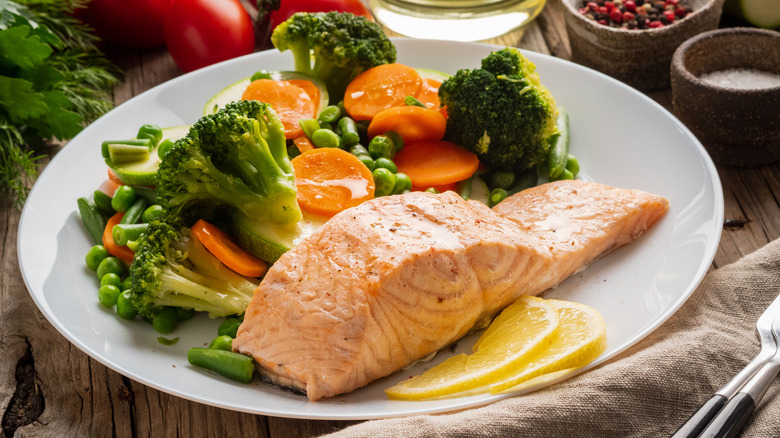
There are many different ways to cook fish, each of which has its benefits and drawbacks. While pan searing or preparing it in the oven are popular choices, one oft-overlooked method is among the best if you wish to preserve the natural omega-3 nutrients of your fish. Though the notion of boiling fish might seem unusual, a related style of cooking, steaming, is quite common in Chinese and other Asian cuisines. Making use of the steam from boiling water, this cooks delicate proteins such as fish and other foods like vegetables while keeping your dish as wholesome and nutritious as possible.
Unlike frying or baking, this style of cooking uses moisture and lower heat, which helps to keep the presence of omega-3 fatty acids and other vitamins intact. It also avoids the use of excess fats like butter and oils, letting the natural flavors shine through. Knowing which fish have the highest level of omega-3 fatty acids, you can employ the cooking technique of boiling or steaming to make a meal that will maintain such nutrients that support essential bodily functions.
If you've never steamed fish before, it's surprisingly simple, requiring minimal effort and time. You don't even need any special equipment like a steamer pot to do so. All you need is a heat safe bowl that can fit inside a large wok or pot with the lid closed and some aluminum foil.
Tips for the best steamed or boiled fish
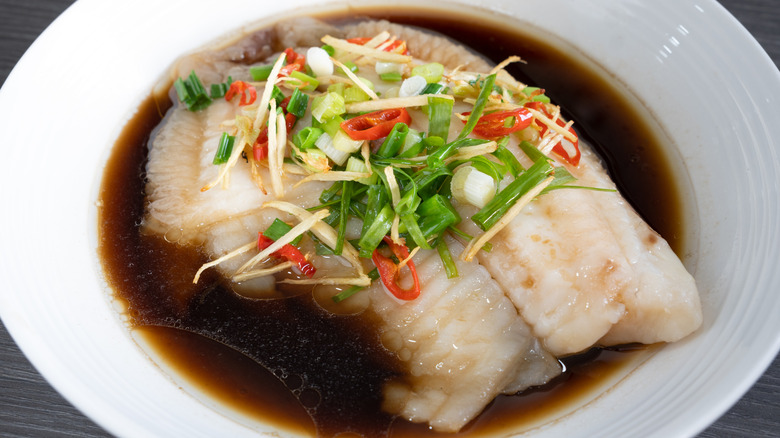
Start by placing your uncooked fish and aromatics in the bowl, and use a wadded up piece of aluminum foil as a spacer upon which to rest your bowl of fish above the boiling water. Close the lid and let the steam permeate throughout, cooking your fish in a matter of minutes. Alternatively, if you really want to save time, try steaming fish on top of simmering vegetables and sauces.
The possibilities for different fish and flavor combinations are practically unlimited when it comes to steaming. Leaning into the flavors of Cantonese cuisine –- where steamed fish is particularly prevalent -– you can steam a whole fish to tender perfection alongside aromatics such as ginger and spring onions before topping it with a delectable soy sauce. Serve this alongside rice or complementary steamed vegetables such as cabbage and carrots.
With regard to boiling, this type of cooking is often reserved for Cajun and Creole seafood boils involving shellfish such as crab, lobster, crawfish, and more. This doesn't exclude fish, though. Use firm filets of fish such as cod and add it at the end of your boil to give it just enough time to cook without getting mushy. Doing so will allow it to soak up all the flavors present while maintaining its nutritional value and structural integrity. Whether boiled or steamed, making fish using these moisture techniques makes it all the more wholesome and delicious.