

Beware: Consumer Reports Flags This Grocery Store Strategy Designed To Boost Spending
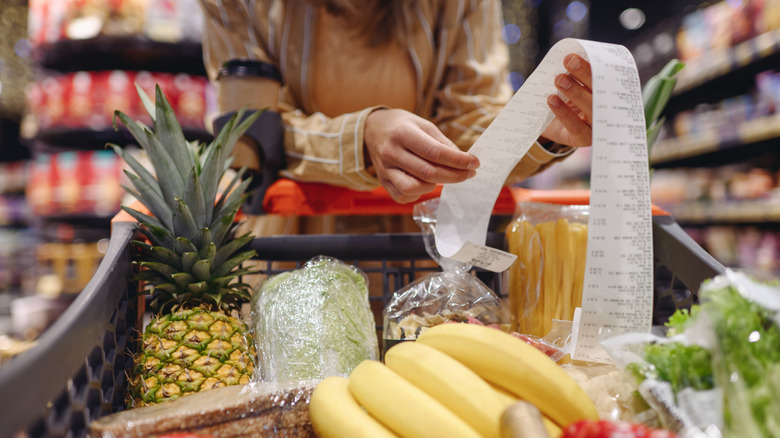
They may seem like innocuous parts of everyday life, but from the minute you step foot in a grocery store it's trying to manipulate you. It's nothing super insidious, but grocery stores are designed from the ground up to get you spending more than you would like. There are well-known grocery store "deal" tricks like loss leaders, which create the illusion of value by pricing certain staples below cost even as stores jack up others. Then there are things you may not have even thought about. Like the fact grocery carts are made to be too big for most trips to make it seem like you don't have much in your cart. One of the most common supermarket tricks that watchdog agency Consumer Reports has flagged for increased spending are what's called bumpouts.
You've probably noticed that in many grocery store aisles there are displays set up off of the shelves, or attached racks that jut out beyond them. That's not coming from a lack of space. These are strategically placed to get you spending more money. First off they are conspicuous, and meant to draw your eye towards certain goods you may have walked right past as you check off your list. But Consumer Reports also says they are made to physically slow you down by getting you to stop and walk around them, ideally browsing more as you go. Anything that interrupts your focus and gets you spending more time in store in something grocery companies think will get you spending more money. It's why staples like eggs and milk are always located in the back of the store.
Bumpouts are meant to catch your attention, slow you down, and advertise premium products
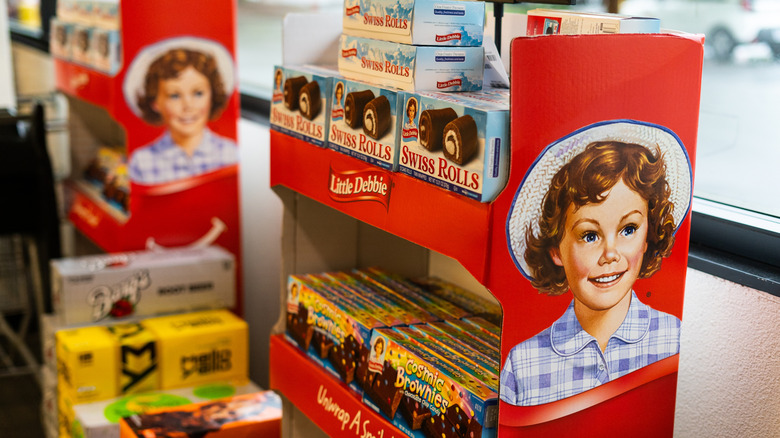
There are lots of variations of this thinking in grocery stores, and bumpouts are essentially smaller scale versions of the same tricks stores are trying to use on you with endcaps. Those temporary displays are also highly visual and something everyone sees as they browse the store. That placement can highlight new items a store wants you to buy, or include seasonal displays, but there is also deeper psychology at work. Endcap displays will often include complementary items, subtly encouraging you to buy multiple things together. Bumpouts can work the same way, like how the chip section will often have prominent displays of salsa and dips in front of them.
Endcaps and bumpouts are also sometimes used for sale items, but not always. Retailers take advantage of this confusion, hoping you may just assume an endcap or bumpout is on sale. Displays regularly alternate between sale and regular items in the same area, and often use large signs displaying prices, even when full price, trying to trick you into thinking you are getting a special deal.
Finally, bumpouts and similar displays are often paid advertising for a product, trying to further snag your attention toward premium products. Ever see snacks in the produce section that are in much nicer wooden displays that break the flow of the aisle? Or a big cooler full of Boar's Head cheeses and salamis jutting out from the rest of the deli section? Brands pay stores for prominent placing, and sometimes use these special displays like permanent bumpouts. So always remember, if one display looks more enticing than the rest, your grocery store is trying to send you the not-so-subtle message "buy this."