

The Top-Selling Energy Drink In The US Isn't Celsius Or Monster
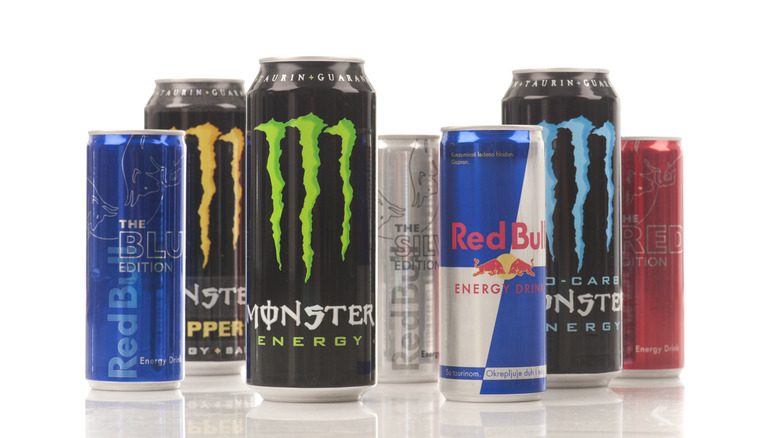
When the afternoon starts dragging, and coffee feels like it'll take too long to kick in, many Americans have a habit of beelining for the closest vending machine to pick up an energy drink. The appeal is pretty hard to argue with: cold, cheap, and the caffeine punch always lands faster and harder than a double shot. There are plenty of brands on the scene: Celsius has built a loyal following among gym-goers with its sky-high caffeine content, while Monster has practically become its own subculture. But despite all the noise around them, one brand in particular is undisputed in terms of popularity, at least according to Statista: Red Bull.
They sold 12.7 billion cans worldwide in 2024, pulling in $8 billion in sales total, according to reports from Statista. That easily puts it leagues ahead of Monster Energy, which posted a revenue of about $5.8 billion that same year. Celsius lagged in the third position, having spent years floundering before managing to rebrand and reposition itself from a diet-centric to a fitness lifestyle brand.
Those three brands control nearly $21 billion in U.S. sales -– and the market keeps growing. But Red Bull's brand is as much of a draw as its actual kick. With a devoted fan base and 92% recognition among U.S. energy drink consumers in 2024, according to Statista, it's a level of popularity most beverage companies can only dream of. And honestly, how could we not, when the brand's logo has been strapped to a space-edge free-fall flight suit, etched onto skis for a Mount Everest descent without oxygen, and tied to a long list of other wild marketing stunts?
How Red Bull got its crown
In 1982, Dietrich Mateschitz — an Austrian marketing manager on holiday in Thailand — discovered Krating Daeng, a local energy drink whose name translates to "red bull" in Thai. Mateschitz saw potential and, together with Krating Daeng's original creator, Chaleo Yoovidhya, founded Red Bull GmbH in 1984. After a series of challenges in Europe — including reports that the recipe was so potent it was banned in several countries — Red Bull launched in the U.S. in 1997 and helped kick-start the modern American energy drink industry.
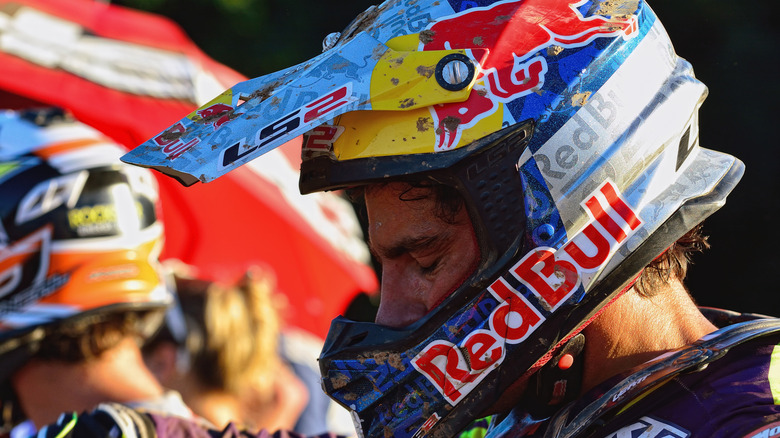
Red Bull didn't waste any time before getting to brand-building. Instead of pouring money into TV or radio ads, Red Bull upended the typical marketing playbook by pouring money into extreme sports sponsorships. But, more shrewdly, they essentially waged a guerrilla marketing campaign. To manufacture buzz, Red Bull reportedly sent people to strategically place crushed cans in nightclubs, bars, and outside college dorms. Empty cans were everywhere — on sidewalks, in trash bins, and anywhere young people might notice — all to make Red Bull appear like a drink everyone was already drinking.
And it worked. By the early 2000s, the brand held a near-monopoly on the energy drink market and was making money hand over fist. Even when Monster and other competitors entered the scene, they couldn't unseat Red Bull. The brand had too many advantages stacked in its favor: a first-mover edge, that instantly recognizable slim can, and a marketing team that seemed to dream up a headline-grabbing stunt every other week — all of which helped ensure that, today, when people think "energy drink," Red Bull is still the first to come to mind.