

Here's The Typical Shelf Life Of Scotch
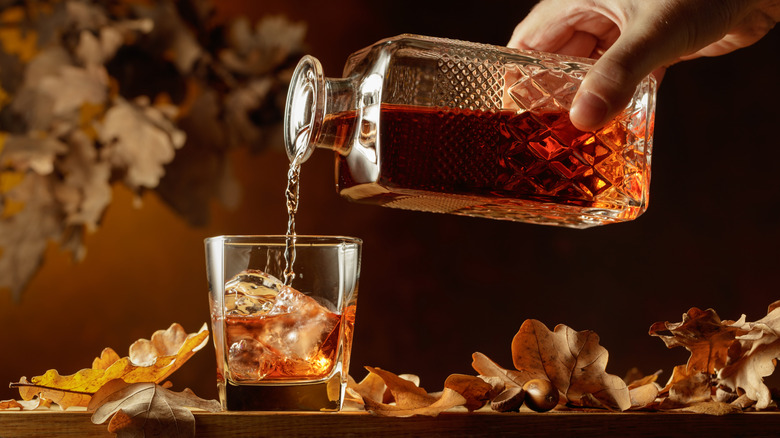
Very few liquors have a reputation like scotch. Walk into any serious home bar, and you'll likely find at least one bottle of scotch that someone paid too much for and doesn't regret. They'll bend your ear about the years of maturation and the way each region and distillery in Scotland produces something entirely its own. The sheer craft makes rare bottlings — so-called unicorn scotches — the kind of trophy collectors compete over at auction. Casual sippers play in a different league, though you'll still need to spend a decent amount for most whiskies, even at the accessible end. Which makes it a very fair question to ask, if you've just handed over serious money for a bottle: how long is this thing actually going to stay good?
First things first: check the seal. If the cork's been cracked, you've got roughly one to two years before the scotch starts losing its edge. The culprit is oxygen — once in the bottle, it goes to work on the flavor and aroma compounds that make a good scotch worth drinking, slowly flattening everything out. And that window shrinks as the bottle does. A half-full 750ml typically holds its character for close to a year, but drop down to a third, and you're looking at maybe three months of peak flavor before things start going noticeably south.
Is it true that scotches can last indefinitely?
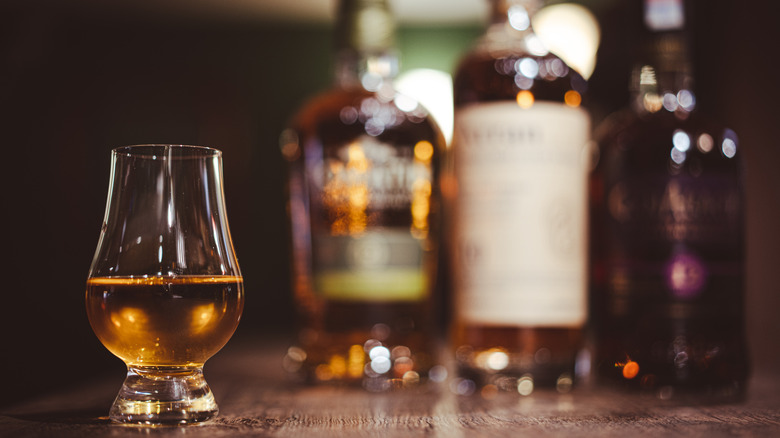
Sounds fanciful, but it's actually true. The thing about scotch — and most hard liquors — is that it doesn't go bad in the way you'd expect. That's why you won't find an expiration date on the label. Even if you've popped the cork and left it in your liquor cabinet for three or four years, the only issue with it is going to be the muted taste — otherwise, it would still be perfectly safe to drink.
An unopened bottle, on the other hand, can last indefinitely in the truest sense of the term. Since no atmospheric oxygen gets in, scotch is effectively preserved in amber. Trace oxygen sealed inside during bottling will react slowly with the liquid over time, producing a waxy, almost antique quality that collectors have a name for — the Old Bottle Effect.
The oldest whisky on record is the Old Glenlivet 1843, owned by a Vietnamese collector and verified by Guinness World Records in April 2025. That bottle has survived nearly two centuries — wars, climate shifts, the entire arc of modern history — without spoiling. It almost certainly doesn't taste the way George Smith intended anymore, but it's very likely still drinkable. That's why, if you've picked up something worth keeping, don't open it. Store rare whiskey bottles upright, out of direct sunlight, away from heat, and leave them alone. The bottle will wait for you. So will the scotch.