

The Race To Add Protein To So Many Products Is Finally Causing Problems
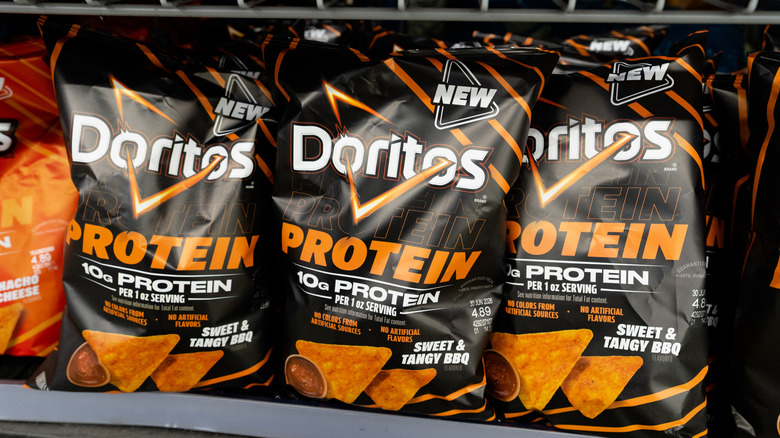
Protein coffee, protein chips, protein pasta, and a never-ending list of protein bar brands — this macronutrient has been the hottest word on the dietary market over the past few years. Consumers have become hyper-conscious of protein's benefits and now want it in everything, and what consumers demand, brands deliver, or in this case, overdeliver. According to Bloomberg, the protein craze has finally led to the shortage of whey protein, and companies are now struggling to keep their protein-forward items on shelves.
Whey is a byproduct of cheesemaking, which presents the first curdle. Nobody is really in the business of running a large dairy operation just to make whey — they're simply making cheese. Whey production can't be isolated, so it's very hard to scale. As of June 2026, the supply of the protein has significantly dried up due to the high demand, with some suppliers already sold out for the entire year. This has led to an eye-watering increase in prices, something companies are now struggling to navigate. "Offers for high-protein whey concentrate have jumped more than 40% on average just in the last couple of months," Bloomberg reports.
This puts brands in a dilemma. Do they raise the prices and risk losing customers, as many people are already changing the way they shop for groceries due to inflation, or do they reformulate their products and potentially sacrifice some of the flavor and texture their customers were fond of?
Although the market offers alternatives, whey protein is difficult to replace in recipes
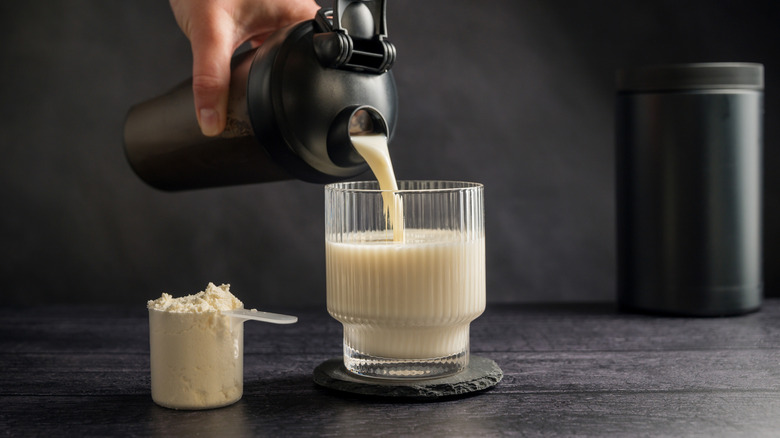
Whey is not the only source of protein, of course, and many companies have considered switching to different variations to bridge the gap. Unfortunately, this has not given the desired results, as the flavor and texture of powdered whey have turned out to be very difficult to replicate. Plant-based or other forms of dairy protein behave differently in recipes — meaning if companies want to make them work, they have to completely reformulate their product. Even then, it sometimes just doesn't work. Some brands that have already tried to make the switch found their reformulated products unsellable.
What does all this mean for the consumer, though? Will we have to give up our protein pancakes, protein Pop-Tarts, and protein ice cream? Perhaps at some point down the line — or at least they will start costing us more. But do we really need them? Most Americans are actually not protein-deficient at all. In fact, they far exceed the minimum daily amount, so there's very little worry that the whey shortage would lead to widespread deficiency. That said, if "protein-maxxing" (as the internet calls it) is still a goal for you, consider including in your diet some good ol' staple ingredients that likely have way more protein than you realize.