

What The Ongoing Whiskey Glut Actually Means For Buyers
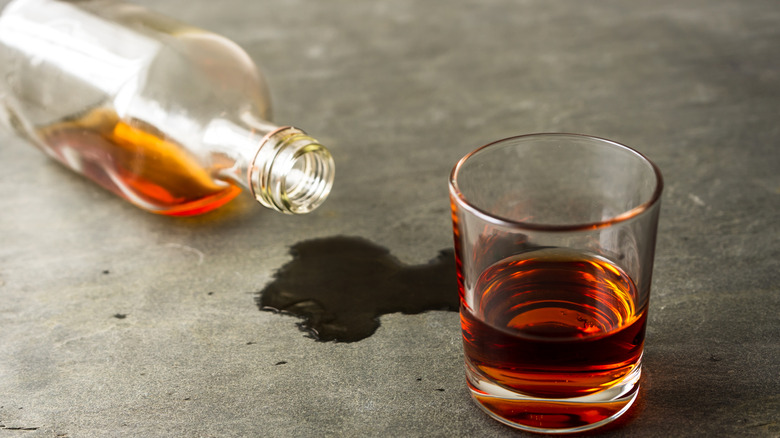
If your awareness of the current state of the whiskey industry extends no further than what bottles are currently stocked at your local liquor store, you may be unaware that we are amid a whiskey glut. Gluts arise when supplies of a certain product vastly exceed demand. The current glut is affecting both Scotch and bourbon and has already led to layoffs, halts in production, and temporary distillery closures. But while the whiskey glut may be potentially ruinous for the industry, what does it mean for whiskey buyers?
First, one must understand how this came about. A combination of factors led to a fall in whiskey sales in recent years, including a post-pandemic slump, lower levels of drinking, the growing popularity of THC-infused drinks as an alcohol alternative, the international affordability crisis, oversupply by the whiskey industry, and the imposition of controversial tariffs by U.S. President Donald Trump. Given that the whiskey industry is desperate to sell (and that gluts historically cause prices to fall), this has all led to speculation that whiskey buyers may soon be able to pick up some excellent bottles more cheaply than ever imagined.
While some bourbon industry figures have expressed doubt that prices will return to their recent unsustainable heights, things are less certain in the Scotch market. This is complicated by the impact of Scotch whisky cask investment companies, the effect of which can inflate prices. There are various other obstacles that prevent prices from falling excessively, like the material cost of bottling, but distillers may also be hesitant to lower prices if they believe their current downturn to be temporary — and, based on recent developments and past experience, it may well be.
Can we recover from this glut?
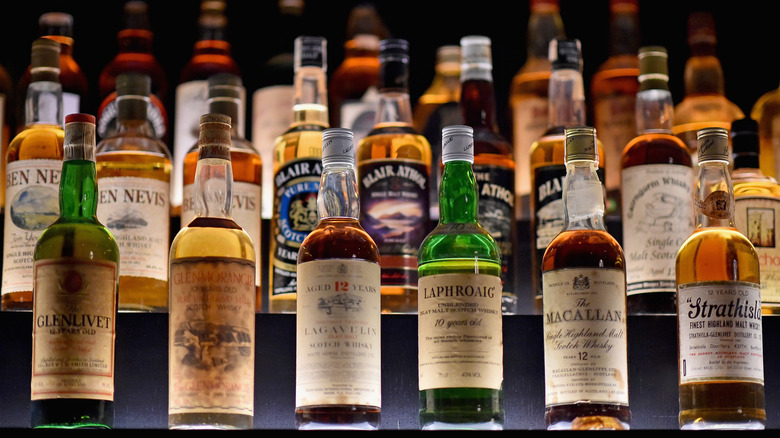
For many, the present crisis has prompted grim memories of the catastrophic glut suffered during the 1980s, nicknamed "the Whisky Loch." The market for bourbon and rye was depressed, Irish and Japanese whiskies found little international success, and numerous Scotch distillers closed forever, thanks to massive overproduction in the 1970s. Ironically, surviving bottles from those Scotch distilleries shuttered during the Whisky Loch period are much sought-after today (not to mention expensive), and some whiskey aficionados argue that "glut era" bourbons are among the best to be had.
Today, modern consumers are seeing a similar phenomenon play out. Aged bottles have become more easily available as companies sit on their more recent unsold stock. The whiskey industry would thankfully mount a recovery from the 2000s onward and has now been given fresh cause for relief. Following a recent royal visit by King Charles, President Trump announced that he would be lifting all tariffs and restrictions on the whiskey industry, allowing Scotland and Ireland to once again work with the state of Kentucky on whiskey and bourbon.
Per BBC News, this was welcomed in Scotland, where Scottish First Minister John Swinney noted that "millions of pounds were being lost every month from the Scottish economy" due to the tariffs. Folks in the U.S. were also pleased with the results, as whiskey producers had witnessed a serious decline in sales to countries affected by the tariffs. So, even if consumers may not be guaranteed high-quality whiskey at refreshingly low prices, they can at least be hopeful that the industry stands a little more secure — though the question remains if the slowdown in production will lead to future shortages should the demand for whiskey increase.