

What Actually Separates Añejo And Extra Añejo Tequilas
We may receive a commission on purchases made from links.
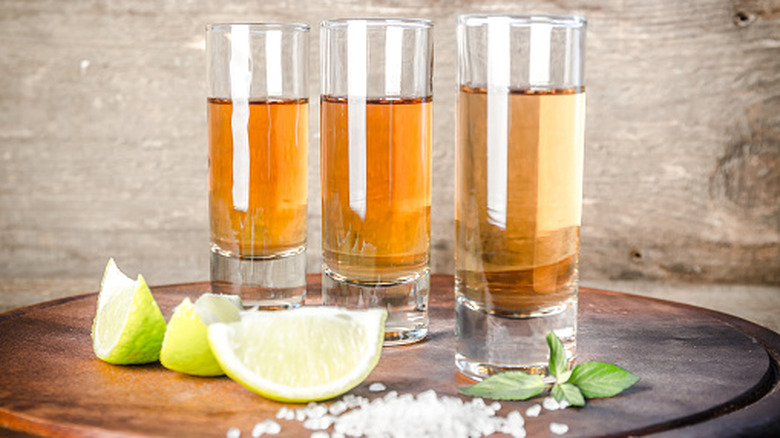
Tequila tends to bring back a very specific vibe: college house parties with lines of plastic shot glasses and lime wedges that barely cut the burn. That reputation is earned, but the story is incomplete. The bottle passed around was almost certainly a low-quality blanco — the youngest, most raw expression of tequila. If you want something more refined, that's where the aged tequilas come in: an añejo or extra añejo.
Marked by the beautiful, deep-amber color of cask-aging, a tequila is classed as an añejo if it's aged for one to three years. An extra añejo is anything aged beyond that threshold. Where a blanco is all edge, the oak and time of an añejo trade rawness for vanilla, caramel, and a touch of chocolate without losing the agave underneath. Extra añejo goes a step further, developing the kind of depth and richness that puts it comfortably alongside fine cognac or aged whiskey.
The most notable difference between añejo and extra añejo is intensity. Start with an añejo for your first foray into quality tequila — it strikes that sweet spot of balanced, warm, and approachable. Once you've developed a taste for it, splurge on an extra añejo like the Don Julio 1942. That first sip will change your impression of tequila forever.
The best ways to enjoy your aged tequila
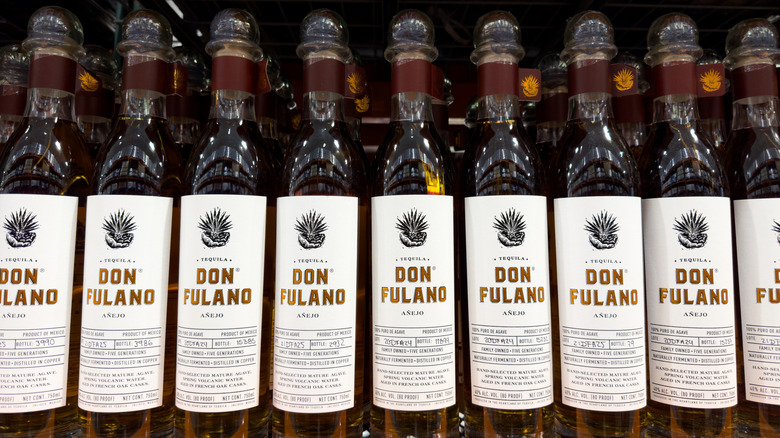
The number one rule that any expert is going to tell you when it comes to enjoying these finer expressions is to drink them neat — and that's especially true for extra añejo tequila. Dropping one into a blender drink would be a genuine waste. A rocks glass — or better yet, a set of special tequila-tasting glasses such as the Riedel Ouverture Tequila Glasses — lets the full range of tasting notes breathe and come forward the way they're meant to. That said, both añejo and extra añejo tequila hold up beautifully in cocktails.
In many recipes, swapping an añejo in for regular blanco or reposado can make for surprisingly enjoyable drinks. Take a tequila old fashioned, for example. After chucking out the bourbon, if you still want to maintain the caramel, vanilla, and oaky boldness that old fashioneds are famous for, an aged tequila is a must. A regular añejo is fine for the job, but if you can spare a few swigs of extra añejo, the sheer earthiness and flavor it contributes may blow even regular, bourbon-based old fashioneds out of the water.
Plenty of recipes have gotten a tequila-inspired spin, and you're free to experiment to your heart's content. There's just one quick tip: extra añejo tends to be expensive, so you'll want to use it for spirit-forward recipes like a tequila Manhattan. You don't want all that goodness you paid good money for to be washed off by other ingredients before they can present themselves on your palate.