

Not Every Pasta Dish Should Be Cooked Al Dente, According To A Pro Chef
We may receive a commission on purchases made from links.
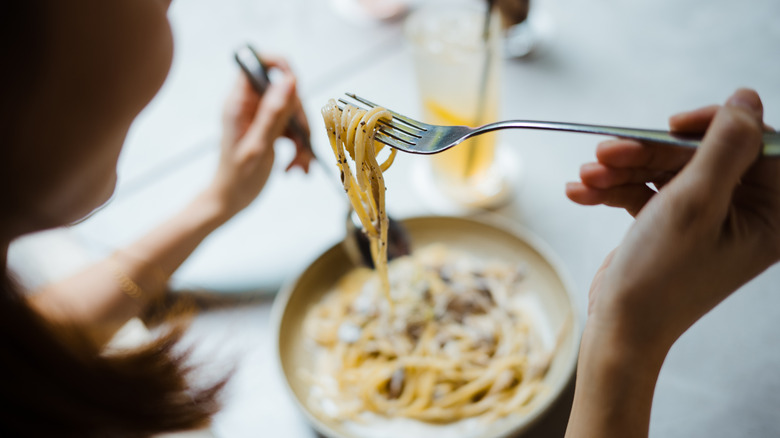
Any Italian food guru knows that no amount of great sauce can cover up a mediocre pasta. The pasta is the scaffolding that holds the entire bite together; if you select the wrong type of pasta or fail to cook it correctly, it could result in a dish that's less than "bene." For most people, the safe bet is to cook it al dente, which leaves it toothsome enough to offer the sauce something to cling to while also not turning into a plate of tomato-flavored mush. However, according to Meredith Hayden, this is not the case for all pasta dishes.
The creator of Wishbone Kitchen and author of "The Wishbone Kitchen Cookbook," recently partnered with Barilla as the pasta producer expands its Al Bronzo line with organic certification and a new radiatori shape, and she told Tasting Table that whether you cook your pasta al dente or not depends on the sauce. "I find that when a sauce has a lot of ingredients that are very overpowering, whether it be a really hearty Bolognese sauce or something, I find that doing a less al dente cook to the pasta sort of creates less distraction," she said.
In other words, if your pasta sauce is already well textured, you may not need to add any more toothsomeness with your pasta. On the other hand, Hayden offered the example of a simple lemon butter sauce, which can pair well with an al dente noodle because there aren't many existing textures at play.
How al dente is too al dente?
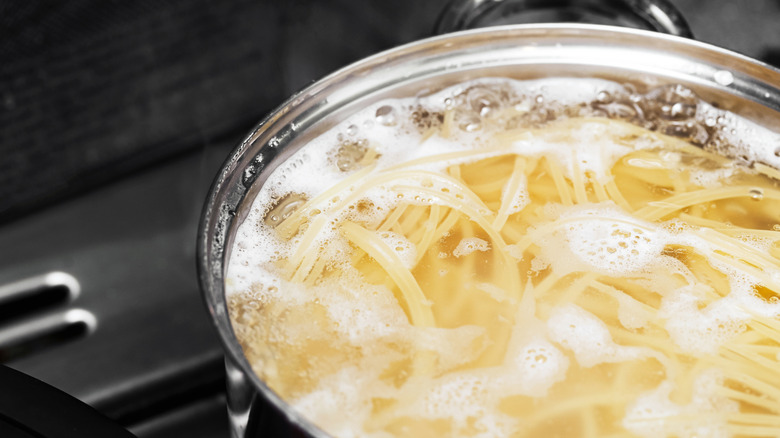
If you are in the al dente camp, there are some helpful tips that you should keep in mind when preparing your pasta. One of the easiest ways you can tell when pasta is al dente is to taste it and see if it has some toothiness to it. Unfortunately, the throwing pasta at the wall trick is a farce because some pasta is stickier than others. There's also the other environmental variables — like the coating on the wall, the distance between you and the wall, and how hard you throw the pasta at it.
Instead, the recommended method for determining whether your pasta is cooked al dente is to follow the cook time on the package, give a noodle a taste, and cook accordingly. Ultimately, whether you want your pasta cooked just enough that it softens or cooked to the point that it tastes like wheat-flavored mush is all up to you. "Just like food in general, people have very specific preferences," said Meredith Hayden.