

12 Cocktail Trends Bartenders Want To Leave In The Past
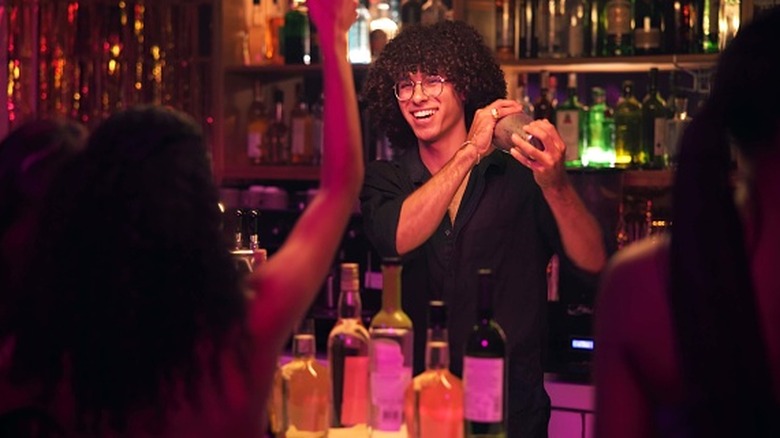
It seems like every time you look, there's a new cocktail trend gracing menus and splashed across social media. While some novelty is always welcome in the world of mixology, it can easily go overboard. Showy techniques that do nothing for the actual flavor, drinks that incorporate endless ingredients, and libations that are visually stunning but merely taste okay often end up taking over. Some consumers might love trying an elaborate new cocktail every time they go out, but for the bartenders making them, sometimes, enough is enough.
We spoke to bartenders and bar managers across the country to find out which trends they want to leave in the past. Some of the ones they listed are just way too fussy to realistically pull off during service, whereas others do nothing for the quality of the drink. If you're guilty of ordering some of these concoctions, perhaps a bit of background from those who are mixing up your cocktails can guide you in a different direction for your next drink order. At the very least, it'll give you insight as to why the bartender is rolling their eyes at you when you ask for one of these drinks.
1. Espresso martinis
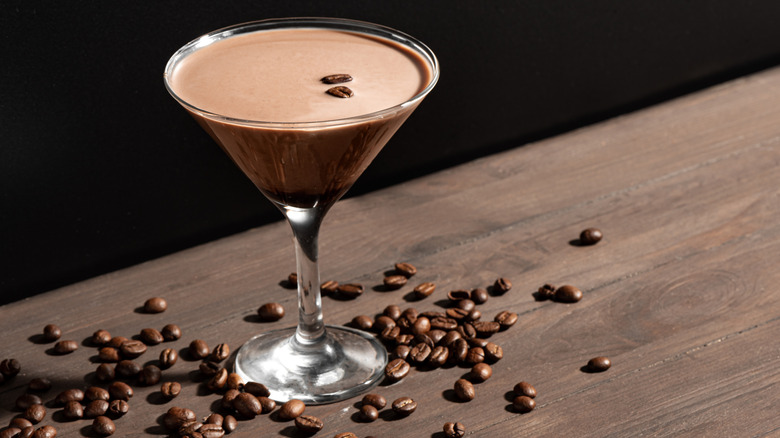
Of the eight bartenders we spoke to, five of them reported that they wished espresso martinis were a thing of the past. Gustavo Rojas, lead bartender at The Pony Room at Rancho Valencia in Santa Fe, California, conceded that it isn't a bad drink, but there's too much hype around it and recipes have become oversimplified. "Most people expect just coffee liqueur, vodka, and espresso, and that combination on its own doesn't always create a truly balanced cocktail," he says, adding that he incorporates tequila for a more sophisticated rendition.
Reilly Tingle, bar lead at Maréla at Liora Estate in Healdsburg, California, seconded this notion. "They continue to dominate, and while I understand the appeal — a great bridge between cocktail and pick-me-up — they can become more about repetition than craft," he says. Aside from the drink's lack of originality, Amanda Spickard, manager of Wigwam Bar at The Wigwam in Litchfield Park, Arizona, points to the popular libation as being problematic during service rushes. Instead of quickly mixing up the components and serving, the beans have to be ground and the shot prepared, which can easily slow things down.
2. 'Skinny' drinks
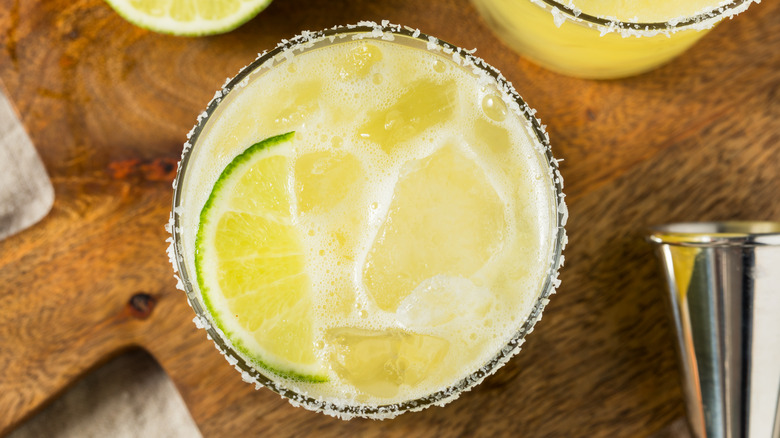
Alcohol contains more calories than some people might expect, so "skinny," low-calorie drinks have steadily made their way onto bar menus. They usually call for swapping out sodas and syrups for soda water and lighter alternatives, which can significantly impact the drink. It's one thing to order a vodka soda, but it's another to ask for a skinny piña colada, a drink that relies on coconut cream for flavor and texture.
Gustavo Rojas is tired of this trend and says, "At some point, it raises a simple question: Why not just order a clean, simple drink?" He recommends pairing spirits like vodka, tequila, or mezcal with plain soda water and fresh citrus. These simple combinations are light and crisp and don't require modifying tried-and-true cocktail recipes that were designed with balance in mind. Not to mention, asking a bartender to modify a drink mid-rush is bound to be a source of stress or irritation.
3. Customer modifications
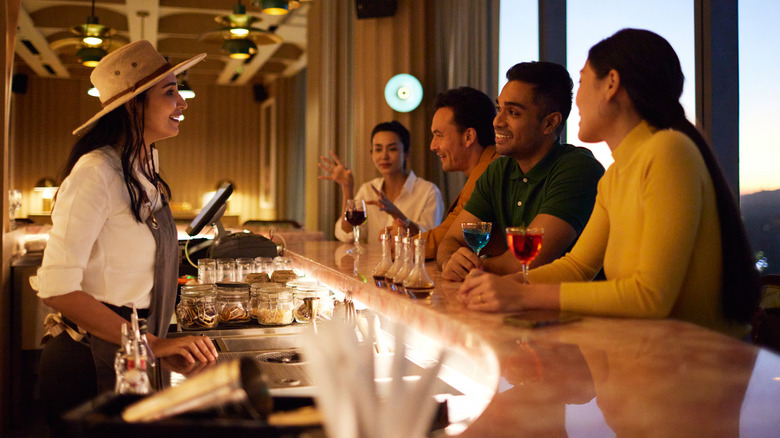
Modifying drinks to make them "skinny" is one pet peeve many bartenders have, but modifying them in general isn't much better. Nikki Hubbard, bartender at Marriott Irvine Spectrum in Irvine, California, says that the quickest way to make a cocktail go from thoughtful to overcomplicated is by asking for a classic cocktail but requesting multiple modifications. Gustavo Rojas is equally wary, noting that there's rarely a benefit to the final product either.
"A well-designed drink goes through multiple tests — different spirits, ratios, and improvements before it reaches the final version," he says, adding that, in his opinion, "That final recipe represents the best expression of that concept." Asking for modifications changes the nature of the cocktail without accounting for the decisions made to achieve balance. He's tired of these requests as a bartender, and notes that these modifications can create an entirely different drink — and not the one the guest envisioned.
4. Drinks that require muddling
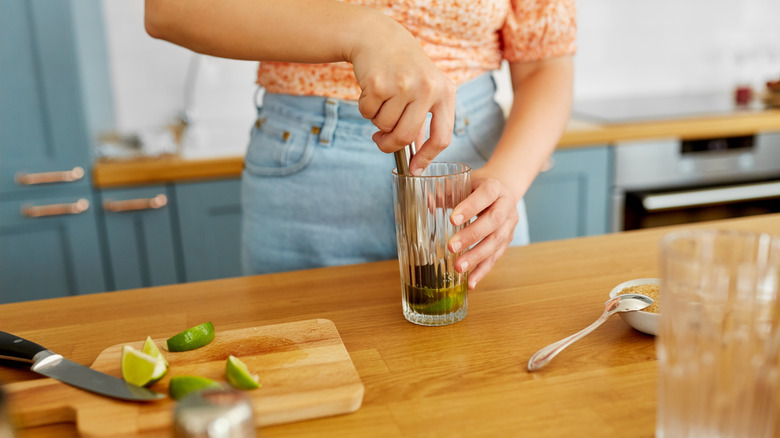
When it comes to drinks that require muddling ingredients, like citrus or fresh herbs, Gustavo Rojas is over it. Whereas other drinks can be shaken, stirred, or layered, muddling requires more of a concerted effort to release oils and aromatics to infuse the spirits. Bartenders need to use a muddler to essentially mash up the ingredients to extract flavor. Rojas notes that this halts the ongoing flow as other cocktails are being made, slowing things down and making these drinks more of a hassle than others.
Furthermore, he notes that muddling isn't inherently better than other methods for building flavor. "There are smarter techniques — like thin slicing, proper shaking, or well-prepared juices — that deliver the same flavor without sacrificing speed or consistency," he says. Not to mention, sometimes it can just be too much. Jay Kurtz, bartender at Jade Bar in Scottsdale, Arizona, agrees, noting that muddling too many ingredients at once takes a drink from intriguing to overcomplicated.
5. Too many components
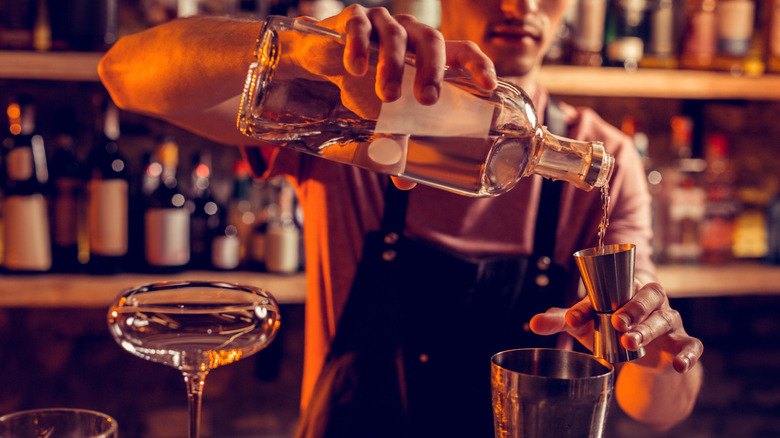
Less is often more when it comes to cocktail ingredients. Jim Gallen, food and beverage manager at Mountain Shadows Resort Scottsdale in Paradise Valley, Arizona, agrees and notes that drinks become overcomplicated, "Usually after the fourth ingredient, or when you start adding multi-step garnishes." He notes that at this point, balance becomes trickier to achieve. Similarly, Reilly Tingle explains that it should be pretty clear which primary flavors are present in the drink. "When a drink has too many competing elements, it loses clarity," he says.
Multiple other bartenders we spoke to agreed, noting that each element in the drink should have a specific purpose that benefits the overall drink. Even garnishes need to be thoughtfully considered to avoid overwhelming the other components. Amanda Spickard agrees and says, "Decorations that offer no improvement to the drink's flavor are unnecessary."
With the multitude of novel cocktails on menus these days, it's understandable that bartenders want to experiment with new and exciting formulations. Chloe Hage, bar manager at Teardrop Lounge in Portland, Oregon, says, "I think a lot of bartenders are afraid of putting out three ingredient cocktails, because they seem too simple." Really though, there's something to be said about a well-made cocktail that tastes great while keeping things minimal.
6. Exaggerated smoke effects
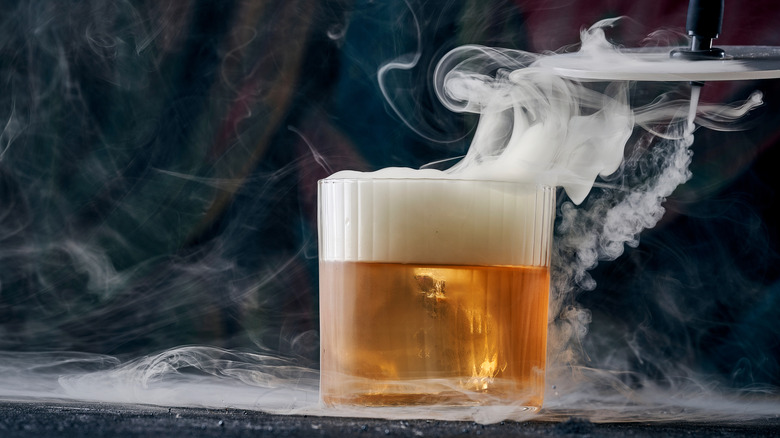
Much like garnishes that have no purpose beyond aesthetics, cocktails that count on too much smoke are better left in the past, according to some of the bartenders we spoke to. Reilly Tingle agrees that smoke can be a beneficial element in a cocktail when incorporated with balance, adding complexity to the flavors. However, he notes that more often than not, it becomes more of a visual tool rather than a way to improve taste. That's not to say presentation isn't important, but it shouldn't get in the way of the sensory experience of consuming the drink.
Dale Dcruz, director of food and beverage at Grand Hyatt Grand Cayman Resort & Spa, agrees with this take and thinks it's time to retire over-the-top smoke presentation. "A hint of smoke can add depth, but when it becomes this big theatrical moment that doesn't actually improve the flavor, it starts to feel more like a gimmick than good bartending," he says. When all of the cocktail's components are carefully selected for harmony, it makes no sense to overwhelm that balance with in-your-face smokiness.
7. Drinks meant to be photographed rather than enjoyed
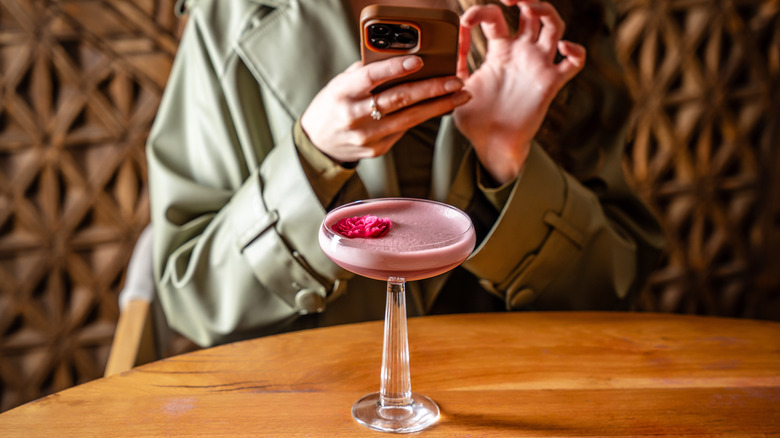
Much like unnecessary smoke and garnishes that don't play a role in the flavor profile of a drink, the bartenders we spoke with agreed that drinks that sacrifice taste for presentation should be a thing of the past. Amanda Spickard has no patience for them and says, "Any drink that prioritizes aesthetic appeal over flavor is essentially garbage." Although a well-made drink may indeed look appealing, that shouldn't be the first quality people notice.
Elements like colors that change or novelty glassware fit into this category, as do specific drinks like the espresso martini. As Dale Dcruz says, "They might grab attention in the moment, but if the drink itself isn't solid, it won't have any staying power." Customers might be inclined to try out a new trendy drink and photograph it for social media, but unless it actually stands out in the flavor department, it's not likely to be a repeat order.
8. Cocktails that overdo it on technique and prep
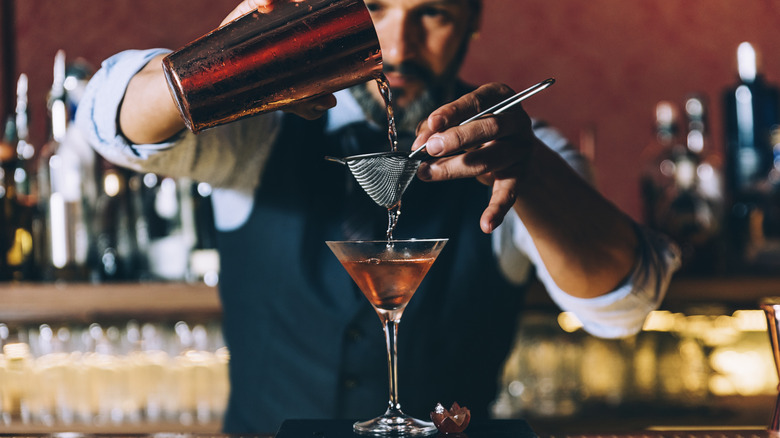
In a similar vein, cocktails that require super elaborate techniques and lengthy prep times should be a thing of the past, according to some of the bartenders we spoke to. Reilly Tingle says, "I like to take a more restrained approach, letting ingredients and structure speak first."
Meanwhile, Gustavo Rojas has experience with this on both sides of the bar, noting that it once took him 25 minutes to receive a drink in a fancy bar. "Every step was extended — the pour, the presentation, the shake, the garnish, even torching the garnish — until the process became more about performance than service," he says, noting the distinction between a drink that highlights the art of mixology versus one that's simply over the top.
Jim Gallen notes that customers often love the process and consequently request elaborate drinks, but more straightforward preparations typically guarantee a better balance overall. That doesn't mean the drink needs to be boring or bland either. As Rojas says, "In fact, great bartending is about precision, efficiency, and awareness — because the next guest is already waiting. And time is part of the experience too."
9. Clarifying spirits
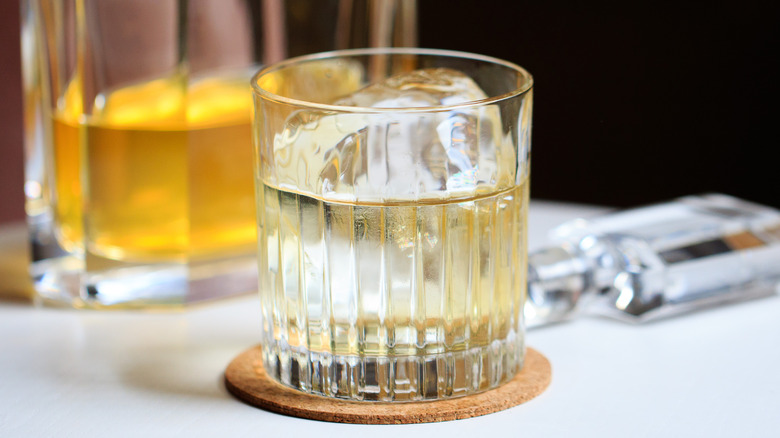
If you haven't hopped on the trend of ordering clarified cocktails, the process involves making a drink clear by removing particles that make it cloudy or more opaque. Aside from altering the look of a cocktail, it can also affect the mouthfeel by making it smoother, as well as the taste by removing more pungent aromas. Depending on the method, it can be achieved with tools like a fine-mesh strainer or a cheesecloth. While he agrees that it has a purpose in some cocktails, Reilly Tingle thinks clarifying has become overused, a notion that Jay Kurtz and Chloe Hage also agree with.
Hage doesn't entirely eschew the method, noting that she recently added milk punch to her bar menu. The drink is made by pairing warm milk with a citrus cocktail so that the milk curdles. It's then strained (aka clarified), leaving it clear with no residual milkiness. Nevertheless, she prefers to use the process sparingly and says, "But if the clarification isn't actually doing something for the drink, it feels a lot like taking the life out of a cocktail just to make it pretty."
10. Requesting light ice
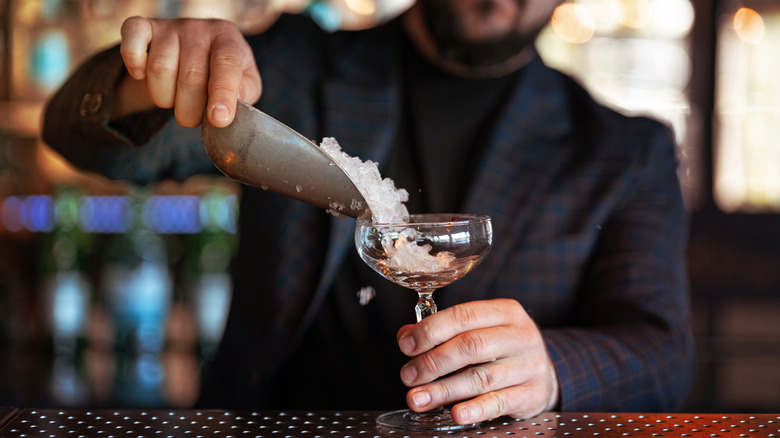
Customers looking for an extra boost of booze might jump on the trend of asking for light ice, but the request usually doesn't achieve what they desire, and bartenders are tired of it. Amanda Spickard notes that although customers might think they'll get more alcohol, since cocktails are made according to specific formulations, the measurements remain the same with or without ice. "In reality, reducing the ice results in a waterier, lukewarm drink because a smaller volume of ice melts much more rapidly," she says.
Meanwhile, Reilly Tingle notes the importance of ice in the overall composition of the drink, since it affects balance, dilution, and temperature. "A well-built cocktail is designed with that in mind, so altering it too much can change the intended experience," he says. Unless a customer simply doesn't like the experience of drinking a cocktail with ice in it, they're better off letting the bartender make the drink as it was meant to be prepared and asking for an extra shot if more booze is the underlying desire.
11. Asking to modify sweetness
While all customer modifications aren't especially appreciated by the bartenders we spoke to, asking for the sweetness of a drink to be customized was at the top of some of their lists of trends they were tired of. Chloe Hage calls it "The 'nothing sweet' movement." "Some amount of sweetness is necessary in a balanced drink," she says, adding, "I've found that sweetness is the most commonly misunderstood taste." There's a difference between a drink packed with sugar that makes your teeth feel like they'll fall out and one that includes a measured amount to complement the other components.
Dale Dcruz receives requests on the other end of the spectrum, with customers asking for additional sweetness. He isn't fond of this type of modification and notes, "Adding more sugar tends to mask the structure and flatten the flavors rather than enhance them." Much like with other modifications, cocktails that have been crafted with a certain level of sweetness simply won't taste the same if you add or remove this element. Instead, customers should order drinks that already reflect the sweetness they desire.
12. Drinks that need to be explained
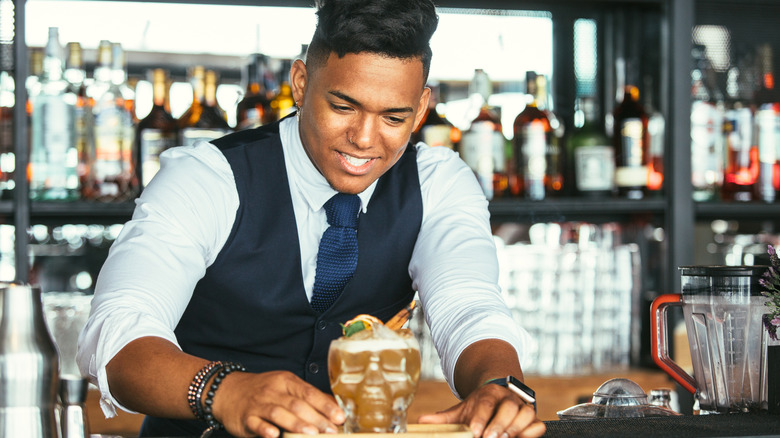
In line with bartenders preferring drinks that don't go too over the top in presentation and composition, Dale Dcruz remarked that he's tired of the trend of cocktails needing a story. While classic drinks have origin tales and newer ones may have been created in unique contexts, he thinks there's too much hype around cocktails with elaborate stories. "Storytelling is a big part of hospitality, but it should support the experience and not carry it," he says and adds, "If the drink isn't solid, no amount of narrative really saves it."
A bartender should be able to hand a customer a cocktail without needing to share a lengthy story or description prior to serving. Sure, if the patron is sitting at the bar and asks for more information, that's one thing, but if the story is intrinsically tied to the delivery of the drink, it's gone too far. Ultimately, Dcruz says, "The best drinks, even when they're layered or creative, should feel intuitive."