

Yes, The Coffee You Use For Your Espresso Martini Matters
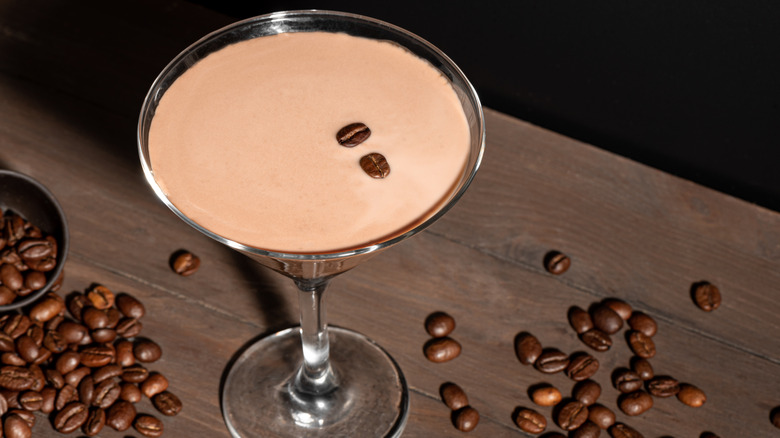
By this point, we would be really surprised if you haven't heard about espresso martinis before. This "it" cocktail has taken over bar menus and can even be found in several ready-to-drink formats, though many imbibers still choose to DIY it. Crafting the cocktail from scratch allows you to play with different ingredients, finding a coffee liqueur brand they enjoy, and even trying riffs on the espresso martini (like the viral Parmesan version). Regardless of how you like to doctor up your drink, there is one important thing to keep in mind: coffee matters.
We spoke to two experts — Tom Baker, founder of Mr Black Cold Brew Coffee Liqueur and Cyril Alcazar, managing director of La Cabra New York — who both confirmed the importance of selecting the right beans. "Coffee is the backbone of an espresso martini, so the quality and character of the coffee directly shape the drink," says Alcazar. "A well-sourced and carefully roasted coffee brings structure, sweetness, balance, and complexity, rather than just bitterness or caffeine."
Baker explains that this has something to do with the drink's composition. "It's called an espresso martini. If you're making it with vodka, let's be real, all the flavor in the drink is coming from coffee. And when all your flavor is coming from one place, that place better be good," he says.
The best types of coffee to use in an espresso martini
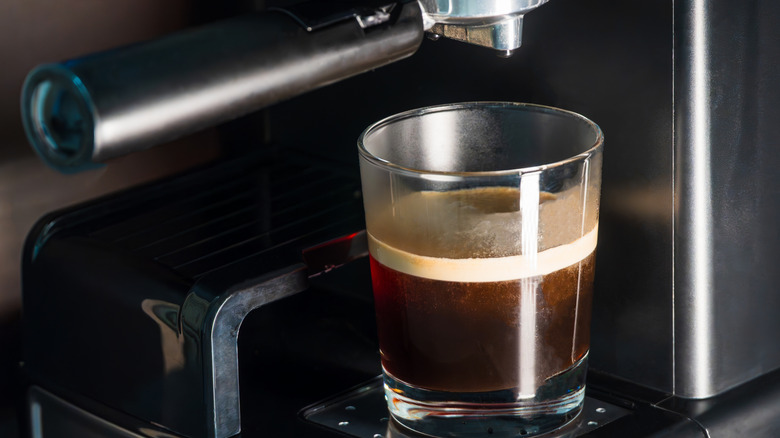
The best beans for your espresso martini will depend on your preferences. "We generally lean toward a medium or lighter medium roast for espresso martinis. These coffees tend to preserve more sweetness, clarity, and fruit character while still offering enough body to stand up in a cocktail format," says Alcazar. However, you can always go lighter, if you prefer.
According to Alcazar, lighter roasts can help bring out the brighter notes and any fruitiness in the coffee. Baker agrees, adding, "The acidity that can make them a bit challenging in a hot brew is exactly what makes them sing in an espresso martini."
If you are looking for the best beans for your espresso martini, Baker recommends befriending a local barista. "Any will pull you a couple of shots to go if you ask nicely, and your espresso martini will be a hundred times better for it," he says. Both experts also note the importance of fresh brewing and cooling down the espresso before making the cocktail; not doing so is one of the biggest mistakes you can make with espresso martinis.
Skip these beans in your next espresso martini
You might assume that in an espresso martini, bolder is better. However, this is not the case when it comes to coffee beans. Both of our experts caution against using very dark roasts in espresso martinis. "Too bitter, too one-note, and you end up chasing your tail trying to balance the rest of the drink around them," Baker says.
Alcazar agrees, sharing, "Very dark roasts can sometimes overpower the drink. Heavy roast development can introduce excessive bitterness, smoky notes, or carbon-like flavors that flatten the cocktail and mask both the spirit and the natural character of the coffee."
Other espresso martinis faux pas that you may want to avoid, per our experts, revolve around pre-batching your coffee. There's nothing worse than sipping a latte made with old espresso, and the same can be said about an espresso martini. Alcazar recommends keeping coffee refrigerated and fresh. "Espresso oxidizes fast. What tasted great at 9 a.m. is flat and stale by 9 p.m." Baker says. "Same day, or don't bother at all."