

11 Orange Wines To Try If You Like Rosé
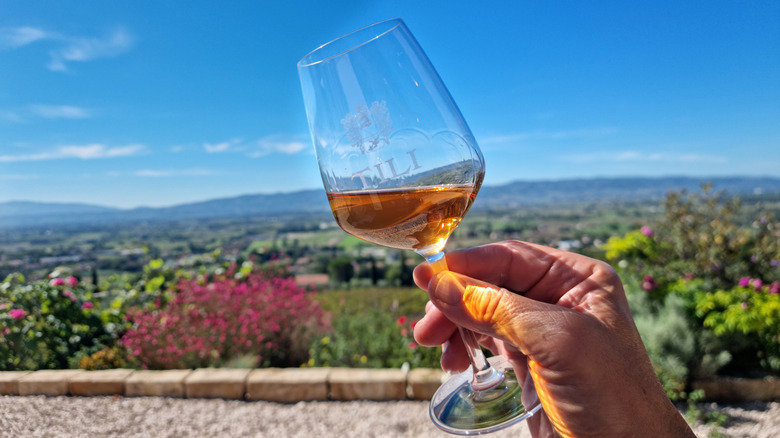
Call it orange, amber, or skin-contact wine, the term has a range of reactions depending on who you talk to. Some people can't get enough, some wonder when wine started being made with oranges, and others assert it's just not for them. No matter what category you fit into, the wide range of orange wines means there's probably something you'll like if you're willing to give it a try.
Orange wine is made by vinifying white wine grapes following the same process as red wine. Since color pigments are found in grape skins, leaving them in contact with the juice results in a color transfer to the wine. On the flip side, rosé is made by briefly leaving red wine grape skins in contact with the juice. Wines that are macerated on the skins for a longer period usually have a darker hue than those with a shorter duration, though this can also vary depending on the characteristics of particular grape skins.
Whereas wines that are in contact with the skins for a longer duration may display characteristics that consumers find harder to adjust to, other orange wines are more subtle in their presentation. In fact, if you enjoy rosé wine, which is made similarly, then chances are you will like many versions of orange wine. If you're looking to try orange wine and usually opt for rosé, pick up one of these bottles.
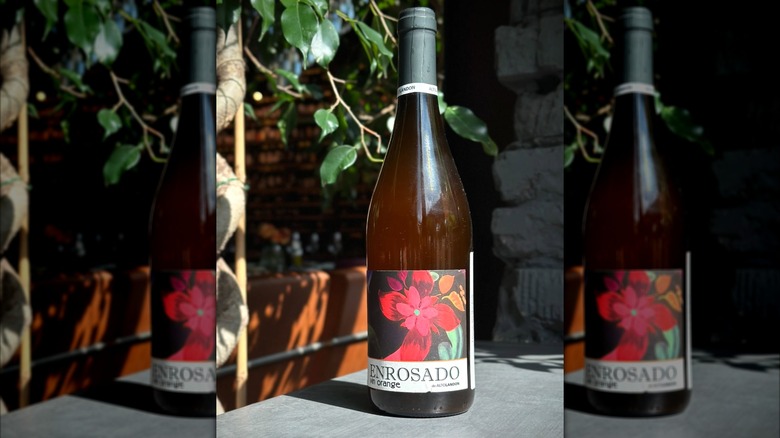
1. Bodega Altolandon - Enrosado
Bodega Altolandon is located in the province of Cuenca in Spain, in a high-altitude region that offers optimal growing conditions for grapes. For example, it increases the sun's impact in the vineyard as well as the tannins in the grapes, enhancing the ripeness and aromas of the fruit. Additionally, the warm days and cool nights experienced at higher elevation help fruit retain acidity, which leads to brighter, refreshing wines. Along with a great respect for the vineyard, Altolandon organically farms to ensure the terroir is fully expressed.
Altolandon's Enrosado is made with grenache gris grapes that are first left in contact with the juice for 24 hours, before fermentation begins spontaneously in clay amphora. The wine ferments for 28 days on the skins, with minimal intervention in the cellar. No fining or filtering is performed before bottling, ensuring the nuances of the fruit remain present. The wine boasts aromas of stone fruit like peach, apricot, and plum, along with green apple, mandarin, and a hint of spice. Thanks to its light, aromatic nature and fresh acidity, it's a great pairing for creamy pastas, lightly fried seafood, or as an aperitif.
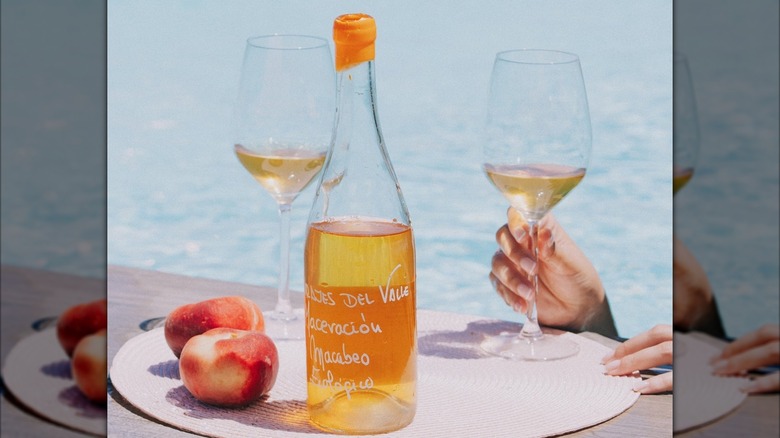
2. Parajes del Valle - Macabeo Maceración
Located in Jumilla in southeastern Spain, Parajes del Valle is a relatively new addition to the region's wineries, but it has seamlessly settled into the landscape. The winery prioritizes biodiversity in its old-vine organic vineyards to let the environment flourish. The vineyards are stewarded by a group of winemakers who each tend to their plot of land with utmost care. Additionally, the winery sources fruit from vineyards in other areas to expand its range.
Parajes del Valle Macabeo Maceración is made with hand-harvested grapes from the Manchuela DO, that are fermented spontaneously on the skins for 15 days in concrete tanks. The vineyards are located at high elevations, which helps balance the acidity in this wine. This orange-hued macabeo boasts citrus-heavy aromas, with tangerine, orange, and grapefruit especially prominent on the palate. Nutty and floral aromas add complexity to this wine, which works just as well served solo as with food. Try it with Asian cuisine or a cheeseboard with mixed nuts, for a stellar alternative to rosé.
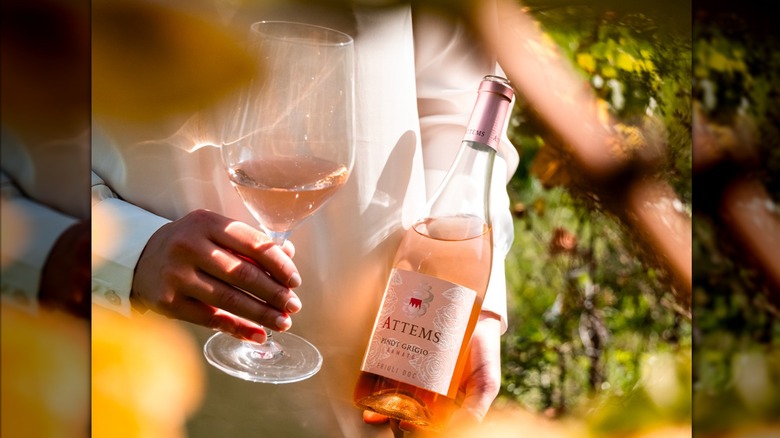
3. Attems - Pinot grigio ramato
Based in the Italian region of Friuli, Attems has been producing wine for centuries. The winery dates back almost 1,000 years and plays an important role in the local Collio DOC. The 100 acres or so of vineyards focus on developing biodiversity in order to improve environmental health. Notably, the unique microclimates and vineyard soils are quite distinct and dictate which grape varieties are grown in the different plots. Pinot grigio is an important grape in Friuli, and Attems produces two styles. One is a classic white wine, while the other is a ramato style, a term used in northern Italy for orange pinot grigio.
The winery labels the bottle Pinot Grigio Ramato Rosé because of the wine's blush color. Pinot grigio grapes have pinkish skins, so consequently, when the skins are kept in contact with the juice, it develops a pinkish hue. Nevertheless, since ramato is made with white wine grapes, it sits under the orange wine umbrella, but this nuance makes it a great option for rosé wine lovers.
Attems' ramato is made by leaving the skins in contact with the juice for 10 hours, then fermenting it in stainless steel tanks. The wine is matured on the lees for a few months to add texture and body to the palate. Aromas of green apple, peach, and strawberry linger on the nose, along with floral notes and a crisp acidity. Serve it with assorted cheeses, roast chicken, or quiche.
4. Meinklang - Weiβer Mulatschak
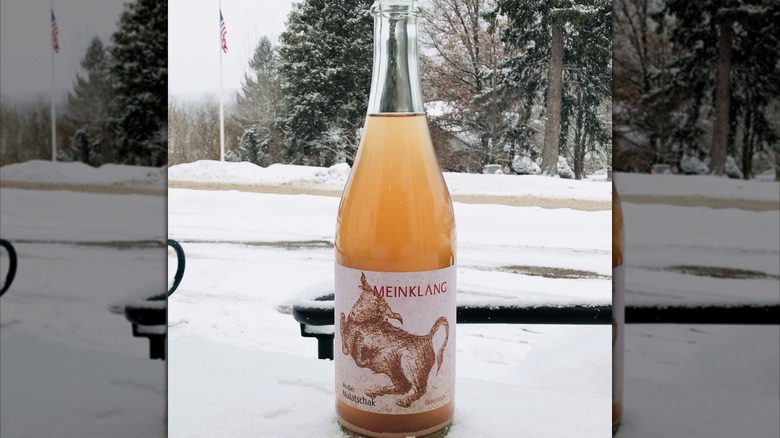
Meinklang is far more than a winery, but a biodynamic farm that relies on the interconnectedness between its various components to flourish. Grape vines grow in the vicinity of grains, fruits, vegetables, and more, alongside cows roaming the land. Located in Neusiedlersee, Austria, the vines grow in healthy, volcanic soils composted with farm matter. Similarly, in the cellar the wines are tended with minimal intervention, allowing them to fully express their character.
Among Meinklang's lineup of wines is Weiβer Mulatschak, an orange wine made with welschriesling, pinot gris, and gewürztraminer grapes. The skins macerate for five to seven days in the juice before the start of spontaneous fermentation in stainless steel tanks. Finally, the wine matures on the lees to enhance depth and texture. Rich aromas of apricot, peach, and tangerine are present on the palate. Hints of rose, orange blossom, and jasmine add complexity, which is kept lively with a burst of acidity. Enjoy this bottle with spicy Thai dishes, cheese, or vegetarian mains.
5. Bodega Santa Julia - El Zorrito
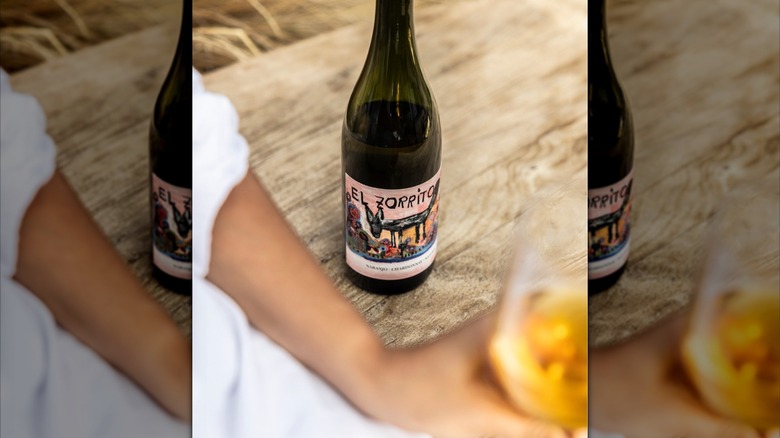
Bodegas Santa Julia is a family winery in Mendoza, Argentina, that has always been a step ahead with innovation. It has been certified organic for over 25 years, highlighting its dedication to the vineyards and surrounding environment. Since 2020, Santa Julia has introduced a line of natural wines that are made with minimal intervention in the cellar. The selection includes El Zorrito, an orange wine made with chardonnay grapes. The name means "little fox" and refers to the numerous foxes that run around the grounds.
El Zorrito is made by fermenting chardonnay grapes using native yeast and leaving the skins in contact with the juice. Following fermentation, the skins continue to macerate for 45 days to impart their phenolic characteristics to the wine. Vibrant notes of tropical fruit, orange, lemon, mandarin, and green apple sing on the palate, along with hints of blossoms. With its creamy mouthfeel and refreshing flavors, El Zorrito is a great choice for rosé lovers looking for something distinct. This skin-contact chardonnay is an excellent match for a range of dishes, including grilled vegetables, roast chicken, and assorted cheeses.
6. Dominio de Punctum - 20000 Leguas
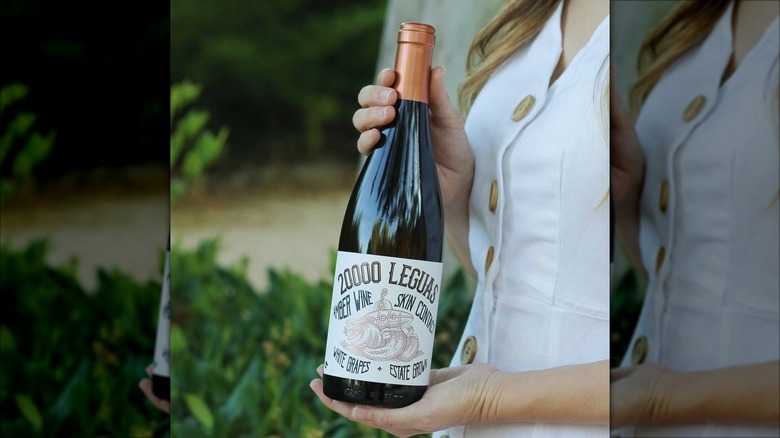
Dominio de Punctum is an organic and biodynamic winery founded by three siblings in 2005. Located in the region of Cuenca, Spain, the family philosophy is to allow space for every element of the vineyard without covering it up with farming practices or techniques in the cellar. The vineyards are planted at high altitude in clay limestone soils, resulting in fresh and concentrated flavors. The area gets plenty of sunlight, helping the fruit ripen and fully express the terroir.
Among the winery's lineup, you'll find 20000 Leguas, an orange wine made with a blend of grapes, typically including chardonnay and Spanish indigenous grapes verdejo and viura. The grapes are fermented on the skins for 14 days, infusing texture and aroma into the wine, while remaining balanced and approachable. Notes of orange zest, cooked apple, and tropical fruit are present in the glass. Hints of nuts, dried apricot, and ginger add complexity, and a bright acidity keeps it light on the palate. This is a great pairing for nutty cheeses like manchego, or served with a spicy shrimp dish.
7. Gérard Bertrand - Orange Gold
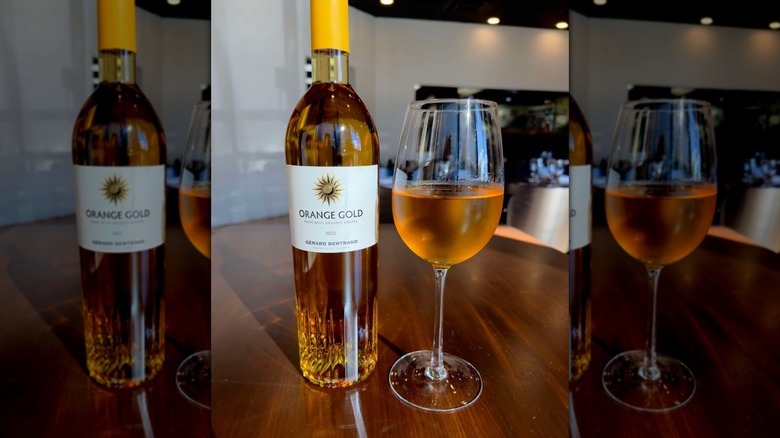
Gérard Bertrand covers several estates in Southern France, offering consumers easy access to a quality source of distinct wines. The vineyards are all biodynamically farmed and promote biodiversity, demonstrating the winery's dedication to the environment and confidence in this agricultural philosophy. Actions of the sort highlight the winery's constant innovation and search for improvement, and it shows in the wines.
Gérard Bertrand Orange Gold is one of a handful of the winery's skin-contact wines. It's produced with a blend of local and international grapes, including chardonnay, viognier, grenache blanc, marsanne, mauzac, muscat, and clairette. The grapes are hand-harvested and undergo semi-carbonic maceration in contact with the skins for 10 to 15 days, allowing a gentle transfer of aromas and tannins. Once the fermentation is complete, the wine is transferred to barrels to mature. The result is notably aromatic, with prominent notes of stone fruit, along with orange marmalade, citrus zest, and white flowers. Pair it with spicy Indian curries, seafood, or a cheeseboard for a delicious match.
8. Cirelli - Orange
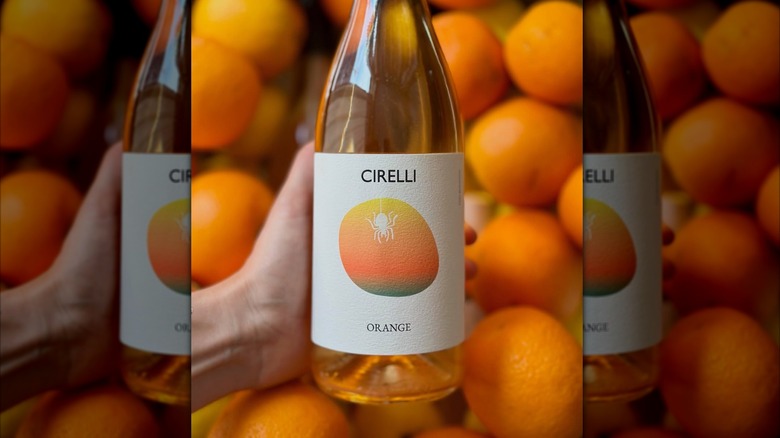
Located in the Abruzzo region in Italy, Cirelli is a certified organic farm amidst a landscape rich in biodiversity. Vineyards are just one part of the picture, but the wines are definitely worth trying. In line with its organic farming practices, the vines are tended to with sustainability and natural harmony in mind. Grapes are harvested by hand, and each variety is treated independently to optimize its expression. There's no set process with each batch of wine; instead, the winemakers let nature dictate.
Cirelli's Orange wine is made with trebbiano d'Abruzzo grapes that are macerated on the skins for one month in stainless steel tanks. The process is gentle to limit the presence of tannins in the wine and maintain freshness, while ensuring the skins impart their aromas. The wine remains unfiltered prior to bottling, giving it a delicate haziness. Notes of white peach, nectarine, orange marmalade, and pear are displayed on the palate, along with hints of wildflowers and almonds. This vibrant orange wine is a great match for food, including pizza, Asian noodle dishes, seafood, and cheese.
9. Les Vins Pirouettes - Eros of Pierre
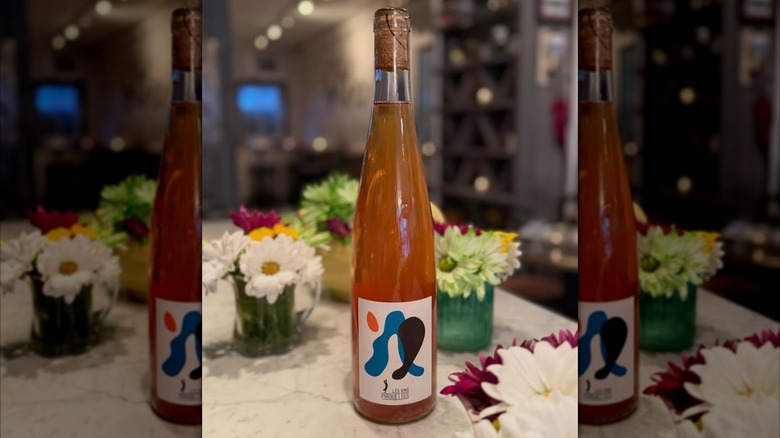
Les Vins Pirouttes is a collective of about 20 winegrowers in Alsace, France, who farm organically and biodynamically and use a minimal intervention approach in the vineyard and cellar. They each grow their own grapes and produce their own wines, which are then bottled under the same label for wider recognition. Therefore, while the brand's overall philosophy is shared, each person imbues their own spirit into their wines. Aside from the different winemaker styles, the numerous vineyards showcase different terroirs, allowing a broader taste of Alsace.
Among the varied selection, Eros of Pierre is an orange wine made from gewürztraminer and muscat grown in clay limestone soils. The juice is kept in contact with the skins for five days, allowing the rich aromatic profile of both varieties to shine through. The wine is then matured in stainless steel tanks before being bottled unfiltered. It boasts bold notes of apricot, jasmine, orange blossom, and spices, balanced by a fresh acidity and subtle tannin. Serve it with pungent cheeses, poultry, or spicy foods for an aromatic match.
10. Christina - Orange
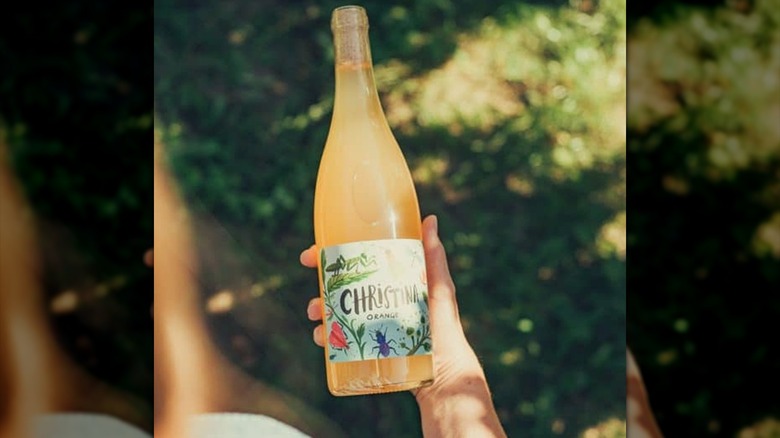
Christina Netzl is the winegrower behind the brand of the same name. She grew up on her family farm in Carnuntum, Austria, and went from playing in the vineyards to working in them. Since then, she expanded the breadth of her viticultural experience and developed a unique style. The vineyard and cellar are both certified organic, demonstrating her commitment to the terroir and surrounding landscape. Christina wines are all natural, meaning they undergo minimal intervention in the vineyard and cellar, with zero additives, low or no sulfites, and no fining or filtering.
Christina Orange is made from hand-harvested chardonnay, sauvignon blanc, and welschriesling grapes that are fermented on the skins for 21 days. Fermentation occurs naturally with native yeasts in stainless steel tanks, before the wine is matured for a few months on the lees in a combination of old vats and amphora. The resulting wine boasts balanced tannins with notes of pineapple, peach, citrus, and an herbal character. Though it stands out with its more structured palate, fans of rosé will love its fruity nature. With its vibrant aromas and fresh acidity, it's a great pairing for spicy curries, roast chicken, and seafood.
11. Field Recordings - Skins
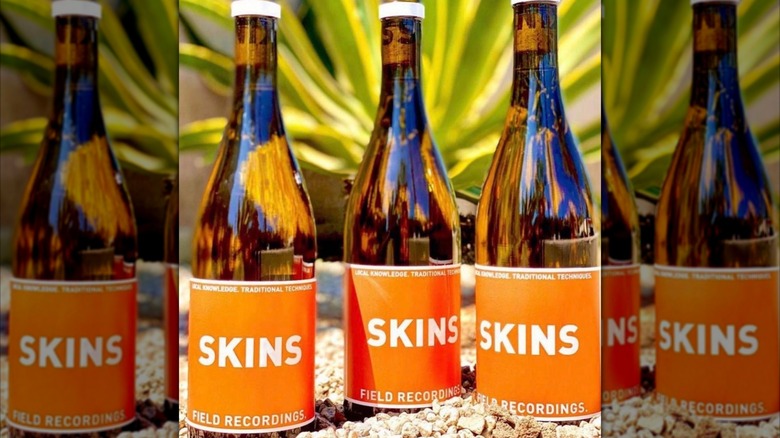
California winery Field Recordings is run by winemaker Andrew Jones, who has worked in vineyards across the state, honing his skills and experience. He sources small batches of fruit from numerous vineyards across the Central Coast region, as well as estate vineyards, which he in turn uses to produce single-vineyard wines and blends that highlight qualities of the terroir. The various vineyards are farmed using sustainable measures, including organic practices and certifications. The wines are all made with native yeasts and minimal intervention in the cellar.
Field Recordings' Skins is described as a gateway orange wine that is approachable to a wide range of palates. It's made with a blend of numerous varieties, including about one-third chenin blanc, along with malvasia bianca, pinot gris, pinot blanc, vermentino, and a handful of others. The fruit is fermented on the skins for 23 to 46 days, ensuring a balanced transfer of aromas, before being matured for a few months in neutral oak barrels. Notes of peach, apricot, and orange are present on the palate, along with hints of honeysuckle and almond. This wine works well with or without food, and it pairs well with a loaded cheeseboard or spicy Asian dish.
Methodology
To compile this selection of orange wines to try if you like rosé, I considered wines that had overlapping characteristics, such as freshness, fruitiness, aromatic flavors, and that were easy to pair with food. Orange wine can vary significantly depending on the duration the skins are left in contact with the juice, so I opted for wines on the lower end of the spectrum, as these are typically more approachable. Consequently, these wines are generally not too heavy in tannins, making them a smoother transition for rosé wine lovers to experiment with orange wine.