

Grow Healthier Cilantro With A Simple Soil Addition
We may receive a commission on purchases made from links.
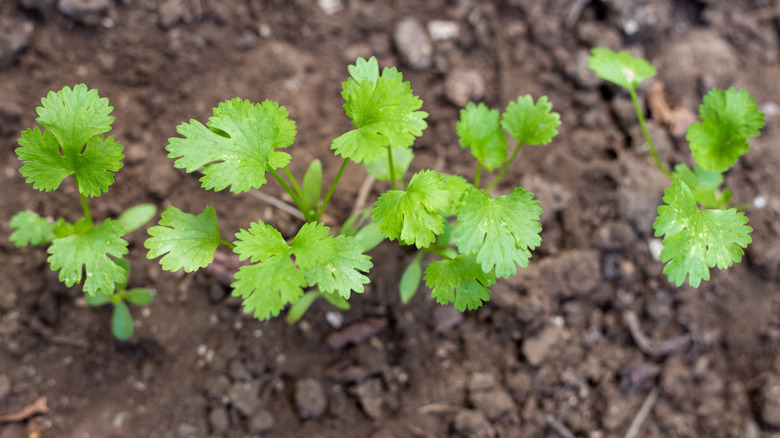
Every herb offers a complex and distinctive tasting profile, and — whether you love it or think it tastes like soap – there's no perfect substitute for cilantro in the kitchen. For home gardeners planting it, investing in soil health is the key to a sturdier, more abundant cilantro crop. Happily, cost-free soil amendments such as ericaceous compost (aka compost with a pH around 5) can keep acid-loving plants like cilantro thriving.
Cilantro prefers full sun and cool weather. But, another crucial element to cultivating a healthy cilantro crop is maintaining the correct soil pH. Cilantro needs well-draining soil with a pH of 6.2 to 6.8, which is fairly acidic. Understanding the existing composition of your soil is the first step to gardening success. Some soil beds might already offer the optimal conditions; a quick pH test kit (like this one from Amazon, $8.95 for a 100-pack of test strips) will let gardeners know what adjustments to make. Why does it matter? When rooted in neutral or alkaline soil, acid-loving plants cannot absorb enough of the nutrients they need, leading to stunted growth and discoloration.
To enhance the acidity of your garden beds or container pots, simply mix a few inches of compost rich in acidic materials into the soil. These organic features will help enrich and lower the soil's pH, steering the profile toward a better-suited environment for growing cilantro. To create ericaceous compost, look no further than kitchen scraps, lawn clippings, and biomass like fallen leaves and pine needles.
Add acidic elements to your compost to lower the soil pH
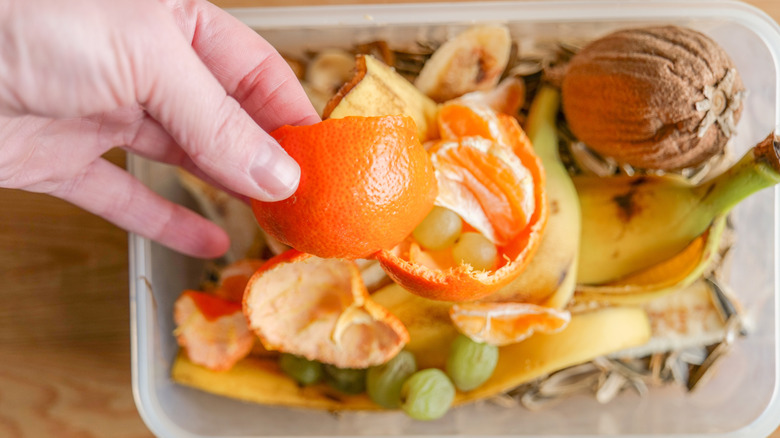
For the best cilantro crop, just add acidic ingredients to your compost. Oak leaves, pine needles, and coffee grounds can upgrade your compost pile fabulously. Other acidic elements can include fruit peels (especially citrus fruits like oranges and grapefruits), diced onions, grass cuttings, straw, or even a light sprinkle of sawdust from untreated wood. Be sure to create a balance of materials, not allowing any one ingredient to dominate the compost.
To apply this acid-enriched compost to your cilantro plant bed, coarsely mix it into the top 8 to 12 inches of soil, then spread a finishing layer over the surface of the soil about 3 to 4 inches thick. Ericaceous compost won't stay acidic forever, so to keep your cilantro plant bed in good shape, reapply the compost several times a year. Cilantro plants are ready to harvest once the leafy stems reach six to 12 inches long. Trim those stems near ground level, and take care to harvest ⅓ of the plant or less at a time to avoid stressing and weakening the plant.
Beyond composting, another quick DIY method for lowering soil pH is a lemon-water spritz. To do it, simply dilute two tablespoons of lemon juice in one gallon of water, then spritz it around the soil of your cilantro plants. Take care to avoid misting the leaves, as direct contact with this acidic tincture can burn the plant.