

These Grocery Store Items Get More Expensive First When Fuel Costs Rise
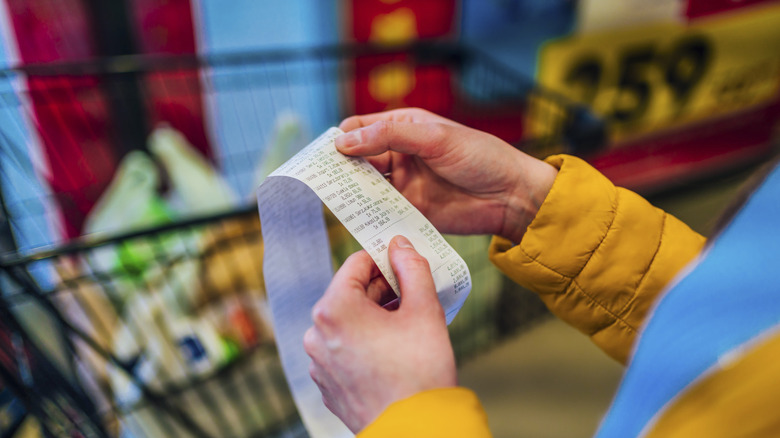
You've probably noticed it at the grocery store — or felt it in your wallet. When gas prices jump, you just have a niggling feeling that, sooner or later, grocery prices are going to follow. And yeah, the connection is real. But the actual mechanics are messier than that. Not everything on the shelf gets expensive at the same pace. Some items climb within weeks. Others hold steady for months. The quick answer is that perishables that require refrigerated transportation are the first to be affected. Once you understand why, you can shop way smarter.
Here's the thing: Transportation only accounts for about 9% of a grocery item's price tag. Because many foods are shelf-stable, suppliers can absorb minor cost fluctuations without immediately raising prices. They can also hold up stock and wait for shipping windows that have lower costs. There are competitive reasons for the lower prices, too. Consumers aren't the only ones that are watching the price hikes — retailers are fully aware that shoppers are watching their wallets, so contrary to popular belief, they'd try to avoid hiking prices for as long as possible, even if they've to cut into the margins to avoid losing customers.
Not all foods are created equal, and some get hit hard and fast
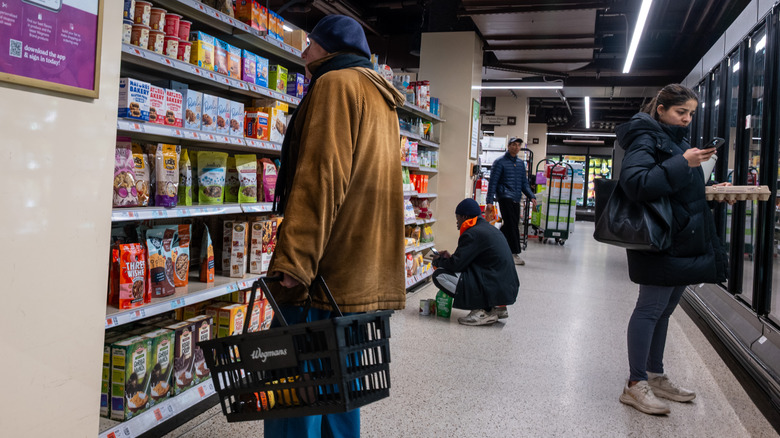
First thing in line for a price hike: perishable items. Anything that needs refrigerated transportation, like fresh produce, meat, seafood, and dairy, will all get hit early and hard. Because they spoil fast, there's no time for producers and their logistics partners to delay shipping costs. Plus, the refrigerated trucks use a lot more fuel than the normal ones to run their AC system, so when gas prices jump, the perishable aisle is where you'll notice the change first.
Food that travels long distances also moves up in price faster. Berries from California, lettuce from across the country, coffee from overseas, cocoa from West Africa — anything with serious air miles baked into its journey will cost more sooner. The fishing industry is particularly vulnerable since fuel makes up roughly a quarter of what fisheries spend to operate. For most other perishable items, you're looking at price changes within a few weeks to a couple of months, depending on how long the fuel spike lasts and how dependent each item is on transportation or refrigeration.
In contrast, all the shelf-stable pantry items, such as pasta, flour, cereals, or canned foods, will be among the last to feel the effect. Their prices tend to stay stable for months at a time, simply because producers and their partners aren't rushing to put them on the first spot on a container ship or a truck to get them to your store. That said, if fuel prices stay elevated for months, even these items eventually rise in price, but you'll almost certainly see it happen later and more gradually than with fresh foods.
So what should you actually do about it?
It's tempting to panic and buy everything in sight. Stuff's taking longer to get here and costs more when it does arrive. But stockpiling is a trap, and definitely not the way to go. To be clear: Goods are still showing up. They're just more expensive to move around. When crowds panic-buy and strip shelves, everything gets worse. Scarcity becomes real because everyone assumes it's coming. You see empty aisles, your neighbor's got three carts full, so you panic too — and the shortage you feared actually happened.
Instead — chill out. Be rational. Make a list of things that are already in your house to know exactly what you need to buy, and what you can put off for later. Then, outline a grocery budget with a hard limit. These simple steps alone should already be able to cut down on impulse purchases and stop you from buying duplicates of things you already have. More economical aside, you're doing your community a service by saving the goods for people who actually need them or are running out. Check what's on sale. Retailers know you're cutting costs, so they slash prices to pull you in — especially on items people buy in volume. Meat and butter freeze, so when you spot a deal on larger packs, stock up.
The secret really is as simple as focusing only on what you can control — what, when, and where you buy your groceries from. This one trick can help you keep your food fresh, prevent waste, and save you the money that could go elsewhere.