

Lowland Vs Highland Tequila: What's The Difference?
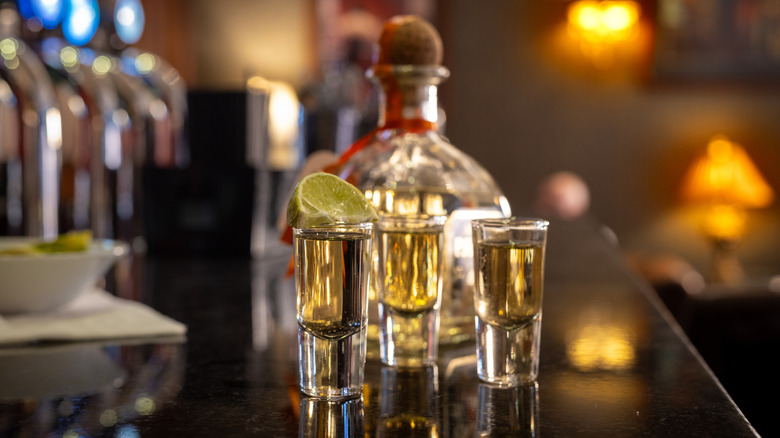
The word "terroir" usually brings to mind connoisseurs sipping wine and discussing complex flavors, but its meaning reaches a lot further than that. Terroir describes how a food or drink is affected by where it was made, with unique variations in its growing environment and the techniques used to produce it. It has pronounced effects in many drinks with complex flavors, including coffee, Scotch whisky, Japanese tea, and one of Mexico's proudest exports: tequila.
Just as Champagne can only be made in France, tequila can only be made in Mexico, and only in a few specific regions. The vast majority of this famous spirit comes from the state of Jalisco, the undisputed home of tequila. Jalisco is slightly larger than Scotland by area and, very similarly, also boasts highland and lowland regions. Geography does indeed change the flavor of tequila, so just like a good whisky, there's variety to be found in different tequilas.
Tequila is produced in two main areas: The highlands and the lowlands. When produced in the highlands, tequila has a fruitier flavor, while the rich soil in lowland areas imparts tequila with a more earthy taste. Pour up some fine tequila by serving it neat and sipping it to taste the variations to the fullest.
Los Altos: Highland tequilas
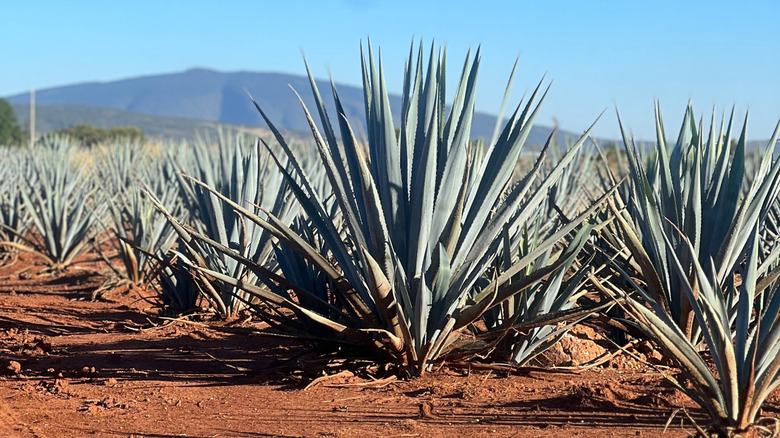
The highlands of Jalisco, also known as Los Altos, are one of two major Blue Weber agave growing regions in the state. The clay-rich soil here is full of iron, giving the land the color of rust, known locally as "tierra roja." At about 7,500 feet above sea level, the plants here experience less rainfall, and sharper differences in temperature day by day. These highland plants are exposed to harsh sunlight during the daytime and temperatures that fall much lower at night. It's a stressful environment for agave to grow in, and stressed plants often start producing more sugars to boost their immune responses for survival.
While physical effects on the plants may be subtle to the untrained eye, the highland climate makes a big difference to the flavor of the finished tequila produced here. Tequilas made with blue agave grown in Los Altos are typically sweeter and more fragrant. Drinkers can often discern light, floral aromas with notes of citrus, stone fruit, and a hint of spice. If you prefer a spirit that's smoother on the palate, this is the tequila for you. Many consider highland tequilas to be Jalisco's best, but that's not to say that you should discount those made in the lowlands.
El Valle: Lowland tequilas
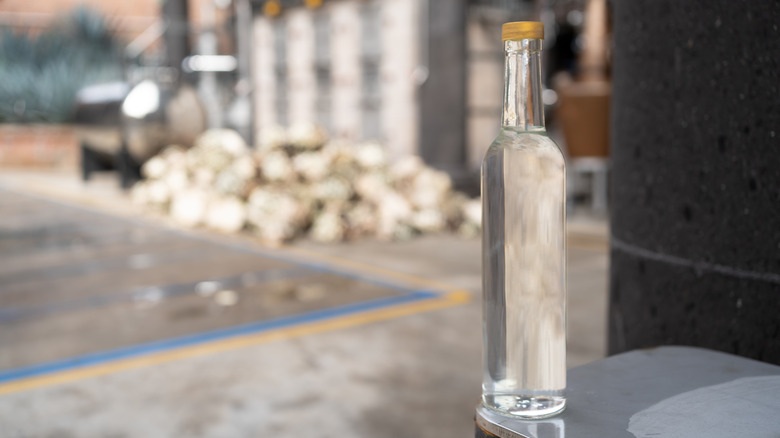
Lowland tequila comes from an area known as the Tequila Valley, or simply El Valle, lying to the northwest of the city of Guadalajara. This is also where you'll find the town of Tequila itself, which gave its name to the drink. It's a popular tourist destination where you can take a distillery tour, visit the fields where the blue agave grows, or just enjoy the atmosphere of the old town and its cobblestone streets.
The growing climate in El Valle is very different than the highlands, with volcanic soil carrying a slightly higher pH, known as "tierra negra." Here, the agave plants enjoy more comfortable conditions, with more rainfall and warmer nights. A local volcano, El Volcán de Tequila, is long dormant and last erupted millennia ago, but the minerals it spilled out still leave their mark in the fertile ground here.
With their more stress-free lives, lowland agave plants don't produce as much sugar, so tequilas made from them tend to have a more savory flavor profile. The flavors that dominate here are typically more earthy and mineral-forward, with complex herbal, vegetal notes and peppery, spicy aromas.
How to properly taste tequila
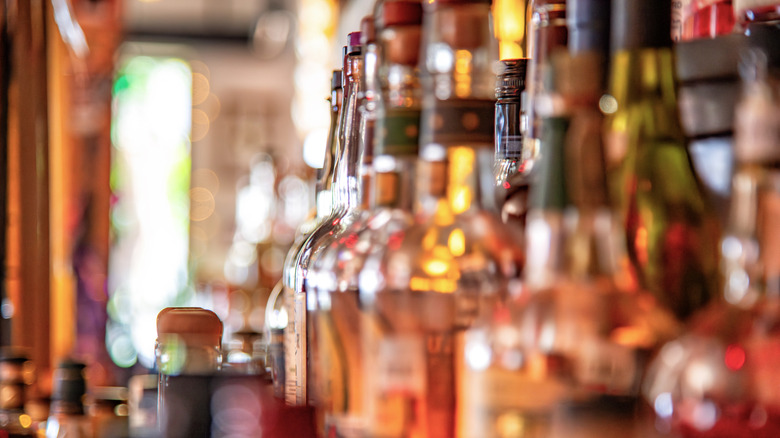
When drinking tequila, many people are very particular about their favorite bottles, with some preferring a simple blanco while plenty of drinkers favor a carefully aged reposado or añejo. The latter are aged in oak barrels, giving them a richer flavor, more reminiscent of dark spirits like whiskey or dark rum. The official rule is that reposado must be aged for at least two months, and añejo needs to be aged for at least a year. Tequila blanco, on the other hand, is usually bottled immediately after distillation. While many spirit drinkers sing the praises of the aging process, it's actually not the best way to enjoy the terroir of tequila.
Experts recommend that to truly discern the subtleties of a tequila's terroir, you should taste a blanco. Tequila blanco (also called silver) is often cheaper, but its freshness and lack of aging will put all the flavor notes from the agave on full display. If you want to properly appreciate the green, herbal notes of lowland tequila or the sweet fruitiness of highland tequila, this is the best way. Remember, when tasting tequila, it's best to follow the same rules as with wine or whiskey. Smell it first to enjoy the aroma, sip it slowly, and don't forget to take a moment to appreciate the finish.