

7 Best Foods For Good Gut Health

Assuming you haven't been living under rock, you're aware of the importance of gut health. The gut (aka the gastrointestinal tract) plays a significant role in overall well-being. Not only does the gut regulate digestion, but it also affects the health of the immune system, nervous system, endocrine system, and cardiovascular system.
It all boils down to your gut microbiome, the bacteria found inside your intestines. This bacteria aids digestion and nutrient absorption, destroys other destructive microorganisms that can cause disease, and regulates your immune system. Consider this: As the largest organ in the immune system, the gut contains about 80 percent of the body's immune cells (or, white blood cells), which identify, attack, and destroy pathogens that cause infections and disease. A healthy gut microbiome also thwarts inflammation — this is noteworthy because chronic inflammation is linked several health concerns, including gastrointestinal disorders like inflammatory bowel disease, cardiovascular disease, diabetes, autoimmune disease, and cancer.
The good news is, diet is the leading contributor to a healthy gut, and there are several nourishing foods that help promote a flourishing microbiome. Since the term "several" can seem daunting, I'm here to help you navigate this advancing category. Why me? I've been a nutritionist for over 25 years, and I've seen my share of nutritional crusades. I can assure you, thanks to ongoing and compelling research, that the healthy gut movement is here to stay. Think of your gut as ground zero for overall health and disease prevention, and consider incorporating the following foods regularly.
Fermented foods
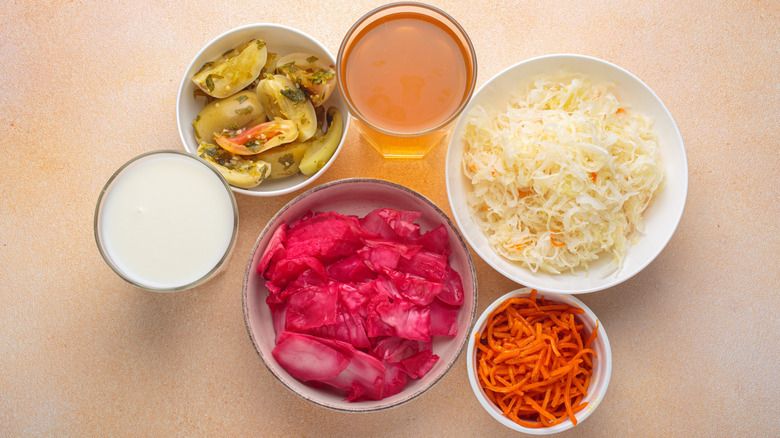
You may already have gut-friendly foods in your refrigerator in the form of fermented foods. Yogurt is an excellent example. Yogurt with live, active cultures contains healthy microbes that keep your gut microbiome balanced. But you need yogurt with active live cultures. Get the biggest bang for your probiotic buck and look for the LAC (live and active cultures) seal, which indicates that the product has 100 million cultures per gram. If you'd rather slurp probiotic-rich dairy, choose kefir, a fizzy, drinkable, fermented dairy product. Folks with lactose sensitivity often find kefir easier to tolerate.
Next up is fermented vegetables, namely sauerkraut and kimchi. Think beyond garnishing Reubens and bratwurst; these tangy, crunchy fermented vegetables are brimming with healthy bacteria that nourish your gut. Known as probiotics, these beneficial bacteria feed the existing good bacteria while boosting the power of your gut's immune cells. And if you're a fan of savory miso, it's time to ensure your fridge is never without it. Made with fermented soybean paste, miso is full of gut-friendly probiotics. Miso also contains prebiotics, food components that act as fuel for our gut microbes. Not just great for infusing umami goodness into soups, miso is also an excellent addition to dressings, vinaigrettes, and marinades.
Lastly, meet kombucha, a fermented tea that's rich in bioactive compounds, which are gut-supporting probiotics that improve intestinal health. If you haven't tried kombucha, note that the first sip can be startling since the drink is tangy, sharp, and definitively acidic.
Oats
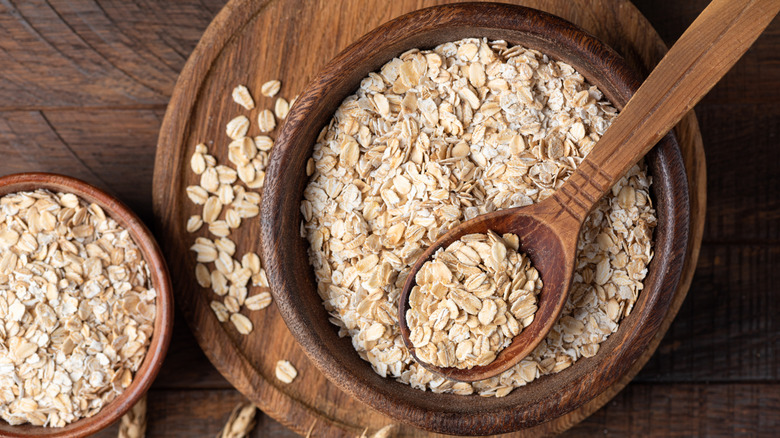
If you like cozying up to a warm bowl of oatmeal or a creamy jar of overnight oats, you'll be thrilled to learn that you're helping your gut. The soluble fiber in oats, called beta-glucan, acts as a prebiotic, and as mentioned above, prebiotics provide useful fuel for the gut bacteria, which, in turn, improve the environment of the intestines. Beta-glucan also helps control blood sugar and the insulin response and helps regulate type 2 diabetes.
The outer, fiber-rich layer of oats, called the oat bran, is rich in insoluble fiber, which helps ease constipation and accelerate the movement of waste through the intestines. Oats also contain powerful antioxidants and compounds called avenanthramides, anti-inflammatory agents that help reduce inflammation in the body, including the colon (or, the large intestine).
Since the oat selection at most grocery stores is vast (and often overwhelming), I have a few tips for what to purchase for gut health. Steel-cut oats are the least processed option, and they contain the most fiber. That said, steel-cut oats take the longest to cook and have more of a porridge consistency when softened. Rolled oats are slightly more processed, as they are steamed and flattened. For this reason, they cook more quickly and contain less fiber. Quick-cooking and instant oats are the most processed (for ease of cooking), but they contain the least amount of fiber. No matter what you choose, oats without added sugar are the most nutritious option.
Beans and legumes
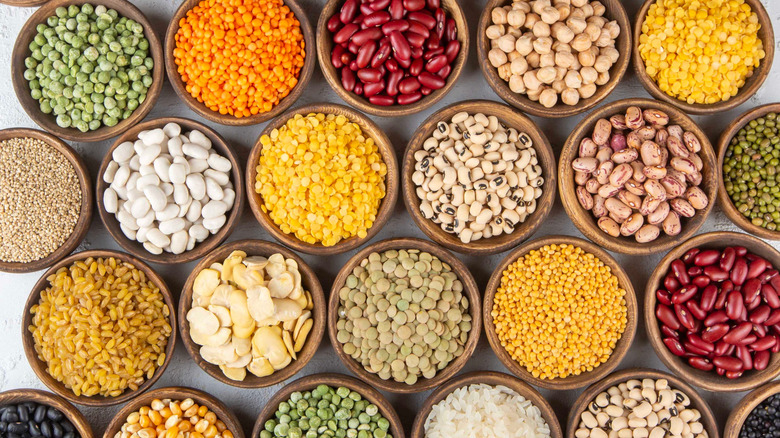
Known as dietary pulses, beans and legumes are excellent food options when the goal is a healthy gut. Dried beans and peas, chickpeas, and lentils are crammed with soluble and insoluble fiber, and as I've discussed, both are crucial for maintaining a strong gut microbiome. The soluble fiber nourishes the gut by feeding its bacteria, and the insoluble fiber encourages proper elimination of waste.
We've known about the benefits of fiber in the gut for eons, but research has discovered something quite captivating. Beans and legumes contain raffinose, a non-digestible, resistant starch. A resistant starch is a carbohydrate that resists digestion in the small intestine and ferments in the large intestine. During fermentation, the starch acts as a prebiotic and feeds the beneficial gut bacteria. With more beneficial bacteria in the gut, there's less room for the harmful bacteria.
When adding pulses to your diet, start slowly to avoid potential gastrointestinal discomfort, like bloating and gas (which naturally occur during fermentation). Sprinkle cooked beans and lentils on salads, add beans to your pasta sauce, and make brothy bean and lentil soups. Increase the amount of beans and legumes in your diet as your body adjusts to them.
Flaxseed
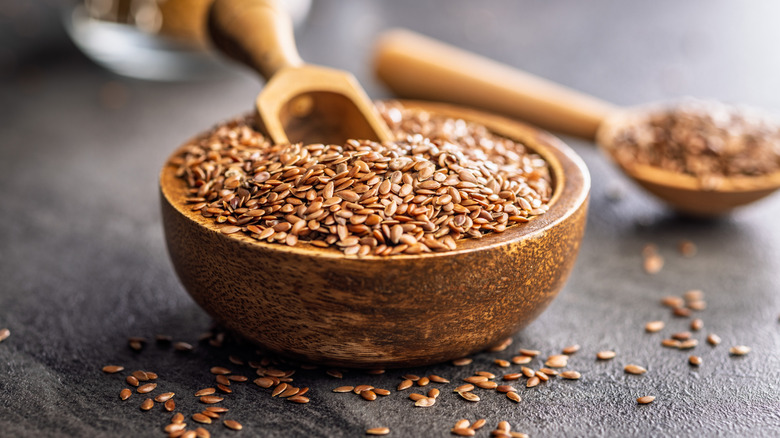
Flaxseed has certainly had its moment in recent history, but the oilseed has been consumed for thousands of years. Considered a superfood, flaxseed is rich in omega-3 fatty acids, lignans, protein, and fiber, and these components are strongly associated with improved cardiovascular health, cancer prevention, diabetes control, and weight management. I've added flaxseed to this list because it's also an excellent option for the well-being of the gut. Flaxseed is rich in both soluble and insoluble fiber, so, like the oats above, it provides healthy fuel for gut bacteria (strengthening the microbiome) and helps move waste through the digestive system. Flaxseed also contains alpha-linoleic acid (ALA), a plant-based omega-3 fatty acid that helps reduce inflammation, as well as lignans, an antioxidant polyphenol that also reduces inflammation.
Note, flaxseed also contains antinutrients that inhibit the bioavailability of certain nutrients, namely ALA and lignan. Not to worry, there are many delicious ways to enjoy flaxseed, and if you choose flaxseed in ground form (not whole or as an oil), you will consume the most readily available form of its nutrients and get the maximum benefit from this superfood.
Garlic
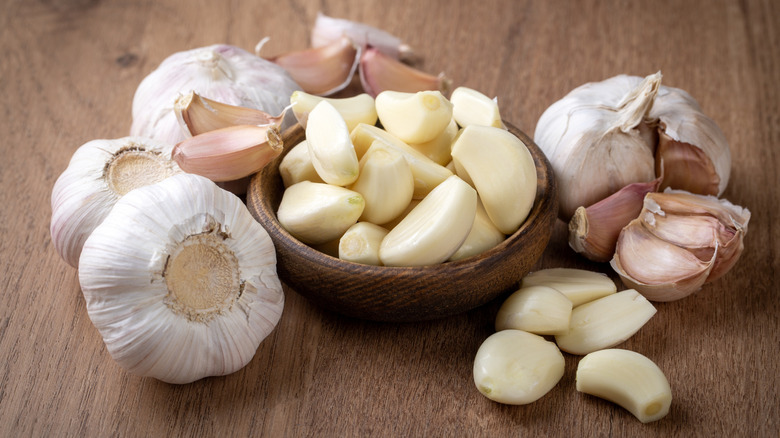
There's so much to love about garlic when it comes to your gut microbiome. First, garlic contains prebiotic components, and as mentioned when examining oats, beans, and legumes, prebiotics nourish the gut bacteria and keep it flourishing. Next, garlic contains fructans, or sugars that naturally occur in some types of food. When fructans hit your gut, they stimulate the growth of probiotics, which contributes to the population of healthy bacteria. This is great news for your microbiome, especially because when there's an influx of beneficial bacteria, there's less wiggle room for bad bacteria. Simply put, when the microbiome's environment is healthy, the growth of harmful bacteria is suppressed.
Lastly, garlic contains organosulfur compounds, organic compounds that contain sulfur. Why is this significant? Because organosulfur compounds have been linked to an increase in beneficial gut bacteria. When you combine of benefits of prebiotics, fructans, and organosulfur compounds, it's clear that garlic is your microbiome's dearest friend. Take note, consuming raw garlic is the best way to maximize its potential, so grab a breath mint.
Avocados
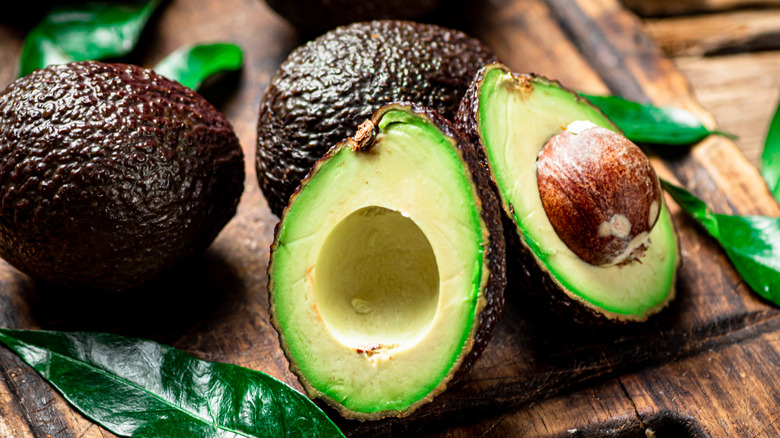
Avocado toast enthusiasts will love this section, and for many reasons. Avocados are rich in gut-friendly dietary fiber. How rich? One medium avocado provides about 14 grams of the nutrient. To put things in perspective, that's about half of the recommended daily intake of 25 to 34 grams (25 to 28 grams for women, and 28 to 34 grams for men). Avocados also help support the gut by way of its microflora. Studies show that daily avocado consumption increases the abundance of beneficial microbes while strengthening the intestinal barrier.
But that's not all. Interesting research reveals that avocado consumption reduces the concentration of fecal bile acids. Stay with me here; there's a reason that's important. Bile acids are a component of bile, and bile is necessary for the breakdown of fats during digestion. When food is broken down properly, nutrients are more easily absorbed by the body. In short, we need bile acids, and we don't want them exiting the body through poop. Certain conditions, including bacterial overgrowth in the small intestine, can cause excess fecal bile acids. Now back to avocados and the research. According to a paper published in The Journal of Nutrition in 2020, folks who consumed avocados during a study showed lower concentrations of fecal bile acids, which means bile was aplenty and doing its job to improve digestion and nutrient absorption.
With the technical stuff behind us, it's time to enjoy fresh avocados in all their glory. Your gut will thank you.
Turmeric
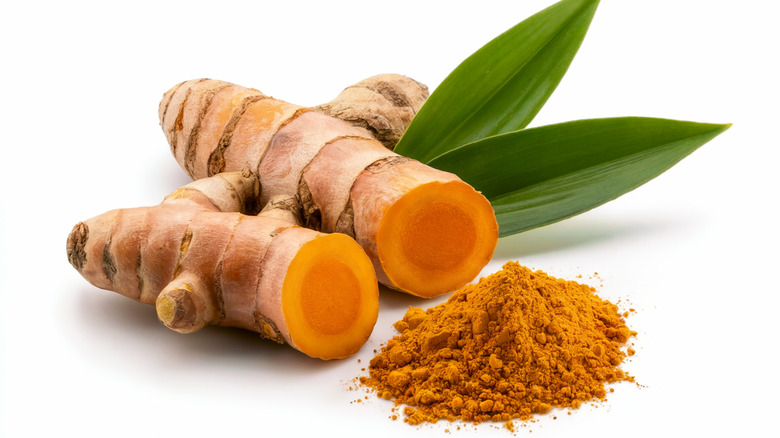
Turmeric is a bright, yellow-orange spice that's derived from the root of the Curcuma longa plant. A cousin to ginger, turmeric has a slightly bitter, earthy flavor, and when added to food, it adds vibrant color and a warm, complex flavor. So, how does turmeric help the gut?
Turmeric contains curcumin, a powerful antioxidant known for its anti-inflammatory properties. As mentioned, anti-inflammatory compounds are crucial for gut health because chronic inflammation is linked to many diseases, including inflammatory bowel diseases like Crohn's disease and ulcerative colitis. Curcumin has also been shown to balance the gut's microbiome by increasing the population of beneficial bacteria while reducing the number of pathogenic (harmful) bacteria. In addition, curcumin helps strengthen the gut barrier, which includes three main defensive layers: the biological barrier (the microbes), the immune barrier, and the mechanical or physical barrier, which includes the lining of the intestinal wall.
Research indicates that it's best to consume turmeric through food, not supplements, so consider incorporating the spice into your cooking, or enjoy a warm mug of turmeric tea. Note: Combining turmeric with black pepper increases the spice's bioavailability by 2,000 percent, so add a dash of black pepper, too.