

9 Tips For Cooking Burgers In Your Air Fryer
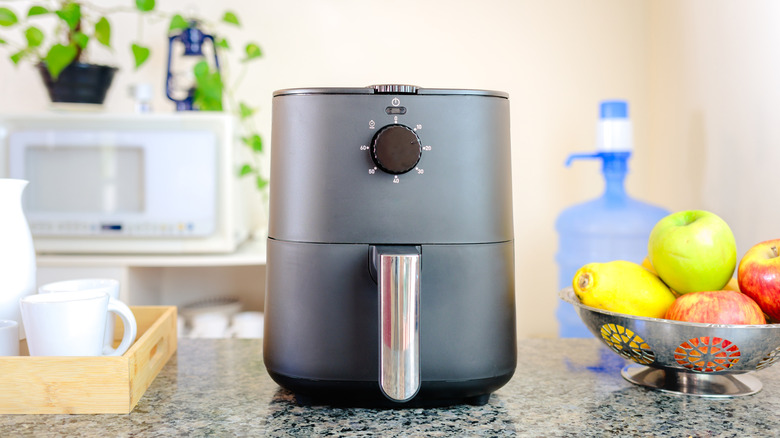
There's nothing like cooking some burgers on the grill, a cold beverage in hand, while your kids play in the yard or your friends mingle around. Grilled burgers are elite, but sometimes, you may not have access to a grill. And although you can always cook burger patties on a stovetop, the air fryer is also a solid method for making burgers at home if you're looking for more of a hands-off process. But unless you've cooked burgers this way before, there's a lot you can learn to ensure that your air-fried patties come out looking and tasting perfect.
That's why we talked to some air fryer and burger experts to get the top tips for cooking burgers in an air fryer. Clare Andrews, recipe developer and author of The Ultimate Air Fryer Cookbook; Eric Wychopen, co-founder of Simply Air Fryer; and Mark McShane, chef and food safety expert at Level 3 Food Hygiene Certificate, all provided their insight on how to make the burger of your dreams in arguably the most hands-off way possible. Follow these tips, and you'll wonder why you never thought to air fry your burgers before.
Use ground beef with a higher fat percentage
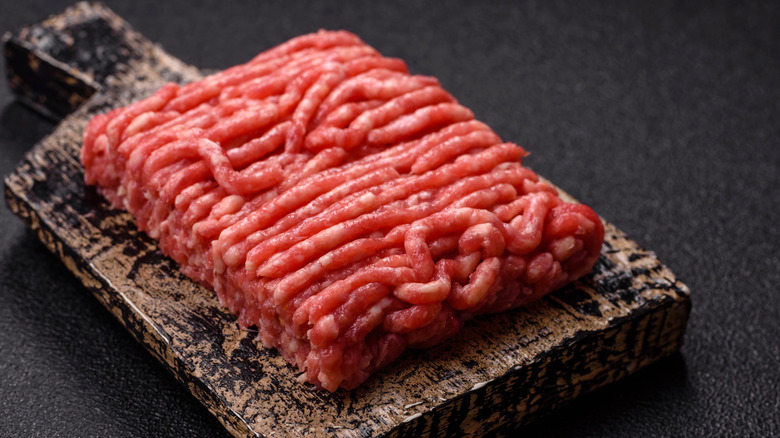
A lot of people look for the leanest beef possible when they're making their favorite beef dishes at home. While lower-fat beef can work well in some recipes, it's not ideal for burgers (which, in our opinion, should be a little fatty), especially if you're cooking them in an air fryer. According to Clare Andrews, author of The Ultimate Air Fryer Cookbook, "Because air fryers circulate hot air, they cook burgers quickly and evenly, but that also means they can dry out if you're not careful." The last thing you want is to bite into a dry, crumbly patty, so opting for a higher fat percentage in the beef you buy is generally a good guideline.
"I would suggest starting with slightly higher-fat mince (around 15-20% fat)," suggests Andrews. "This will naturally help to keep the burgers juicy." Luckily, higher-fat ground beef tends to be cheaper than leaner varieties, so choosing fattier meat can also deliver modest savings in addition to a delicious, juicy burger.
Spray or brush the patties with oil
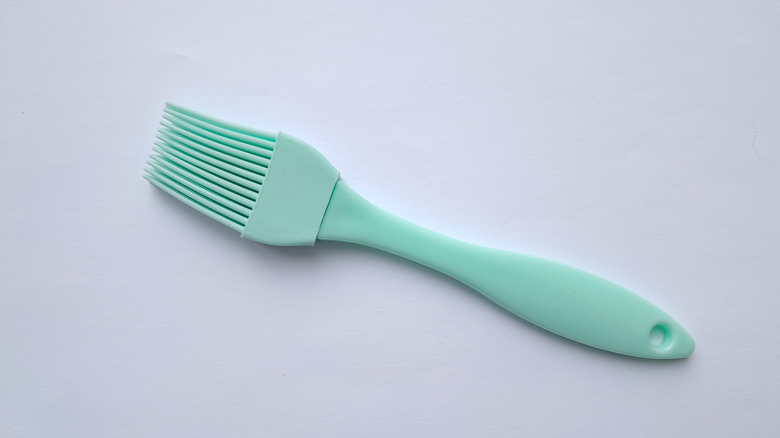
We've already mentioned the fact that burger patties can sometimes dry out in an air fryer. This sort of drying quality is what makes air fryers perfect for so many uses, like air-fried tofu, for instance, but it's not ideal when you're craving a rich, juicy burger. Of course, using beef with a higher fat percentage is a great start, but if you want to protect against dryness even more, you may want to introduce some oil into your recipe. Although you generally don't need to use a lot of oil when cooking food in an air fryer, just a small amount can result in a better texture and enhanced moisture in the patty.
"Occasionally, I will lightly brush or spray the patties with oil to enhance browning," says Mark McShane of Level 3 Food Hygiene Certificate. You can use a cooking oil spray for this, or you can add some canola, vegetable, or other type of neutral oil to a brush to give your burgers a bit more protection from that drying heat.
Make the patties thinner than you think they should be
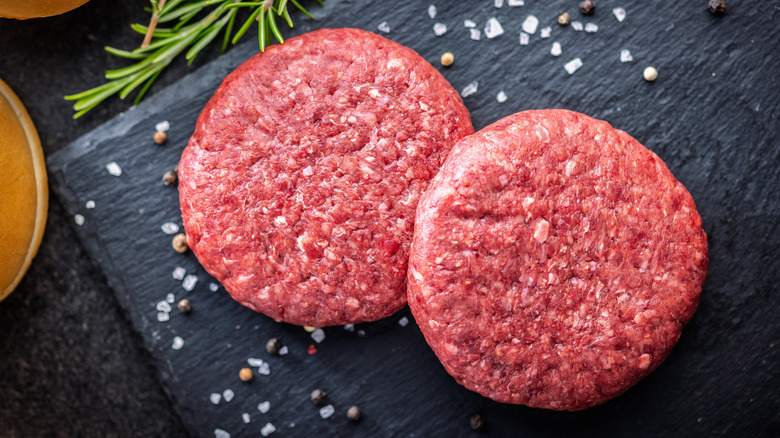
If you're making your burger patties from scratch, it can be difficult to know exactly how big to make them. Per Eric Wychopen, you might not want them quite as thick as you may be imagining. "[My] best [advice] for homemade burgers in the air fryer is to make the raw patties much thinner than you think before cooking," he says. "Beef tends to shrink when heated, so the burgers usually get thicker in the air fryer. If you start too thick when raw, they get very thick and can become almost round in shape, which is hard to put a bun and toppings on!" You can also create a subtle indentation in the top of the patty to prevent that roundness.
So, how thick should you make your burger? For a classic burger, you might want to shoot for about an inch and a half in thickness, but obviously, if you want a thinner patty, you won't want to use quite that much meat in a single patty.
Let the burgers rest before serving
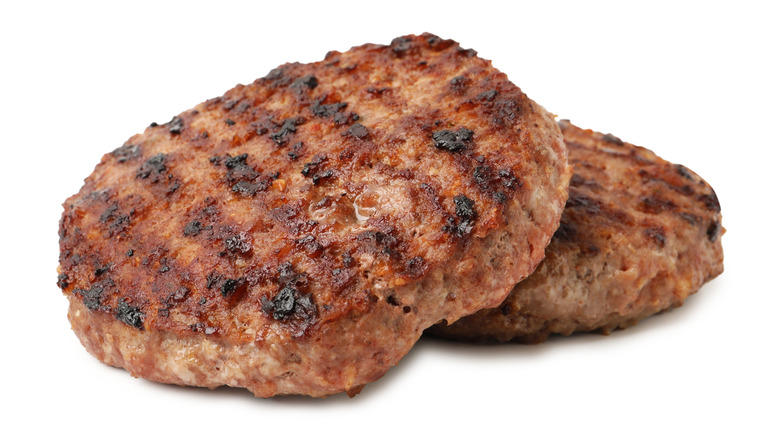
We get it: As soon as your burger patties come out of the air fryer, you're probably going to want to dig in immediately. After all that work you put into making the perfect burger — and the smell that's permeating your kitchen once you open the air fryer — of course, you're going to want to taste your creation. But if you truly want your burger to taste as good as it can, it's a good idea to wait for a few minutes.
"After cooking," says Mark McShane, "I always let the burgers rest for a few minutes so the juices redistribute." Luckily, you don't have to wait very long. Just place the burgers on a metal rack where they can drip without sitting in their own juices. Once you let the burgers rest for about five minutes, you're good to go. It's at this point that you can start assembling your sandwich. It may not seem like this rest time will make much of a difference, but it'll guarantee juicier, more luscious burgers.
Utilize a meat thermometer for perfectly cooked burgers
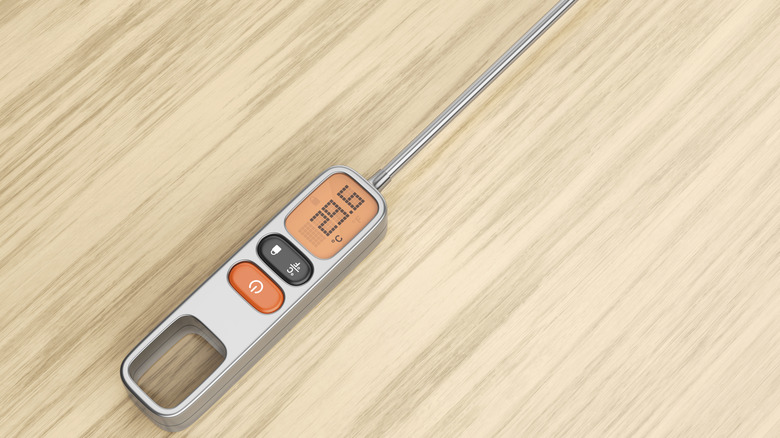
Figuring out how long to cook your burger can be tricky. After all, the thickness of each burger varies, so following a recipe might not always give you accurate results. And the last thing you want to have to do is cut into your burger just to see how done it looks on the inside. This is even trickier with an air fryer, where you're not watching the patties for the entire time they cook. But Clare Andrews has a simple solution: Use a meat thermometer. We've compiled a list of some of our favorite meat thermometers and even have a guide on the most common mistakes people make with meat thermometers, so you can ensure nothing goes wrong when you use one for the first time.
According to Andrews, you should generally cook your burger patties in your air fryer at about 350 degrees Fahrenheit for eight to 10 minutes. Make sure to flip the burgers halfway through so they get nice and browned on both sides. But since that time can vary depending on how thick your burger is, using a meat thermometer can help you achieve a more specific temp. Andrews says that 160 degrees Fahrenheit makes for a "perfectly cooked beef burger."
Don't crowd the basket
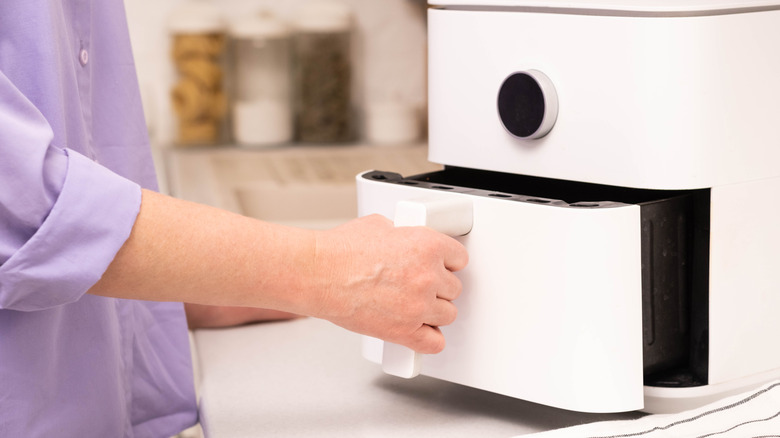
Have you ever cooked burgers (or anything else) in your air fryer, hoping for a lovely, crispy texture, only to end up with a soggy mess? We've been there, and it's disappointing, especially when you're using an appliance that's specifically supposed to provide you with that crisp you're looking for. Chances are, this happened because you crowded the basket. When a bunch of food is piled in your air fryer, moisture gets trapped, and your food gets steamed instead of properly browned.
This, says Clare Andrews, is exactly why you should avoid putting too much in the air fryer when you're making burgers. "Don't overcrowd the basket," she says. "Leave space between each patty so the air can circulate properly. This is key to getting that delicious, lightly crisp exterior." If you can't fit all of your burger patties into the machine without them overlapping, then it's probably a good idea to cook the burger patties in multiple batches.
Preheat the air fryer
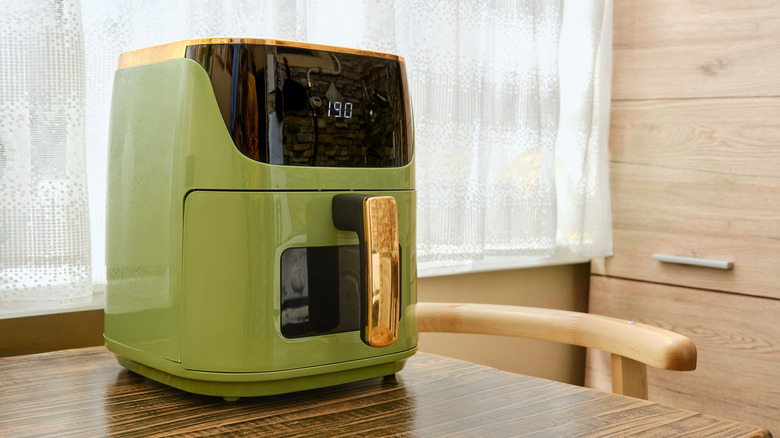
One of the things we like best about using an air fryer is the fact that it requires very little prep work — you can basically just throw whatever you're cooking into the basket and wait for it to be done. It's definitely a lot easier than firing up the grill anytime you find yourself craving a burger. But there's one extra step you can take when you're making burgers in your air fryer that doesn't take much time, and that can really make a difference in how your sandwich turns out.
"I preheat the air fryer to get the burgers cooking right away," says Mark McShane. Anywhere from about two to four minutes is all you need to get your air fryer nice and hot, so the burgers are ready to go in immediately. This, says McShane, allows the patties to "sear on the outside, and it helps with that crust you expect from a good burger." We think those extra few minutes of waiting are absolutely worth it for more delicious burgers.
Add a slice of cheese in the last minute of cooking
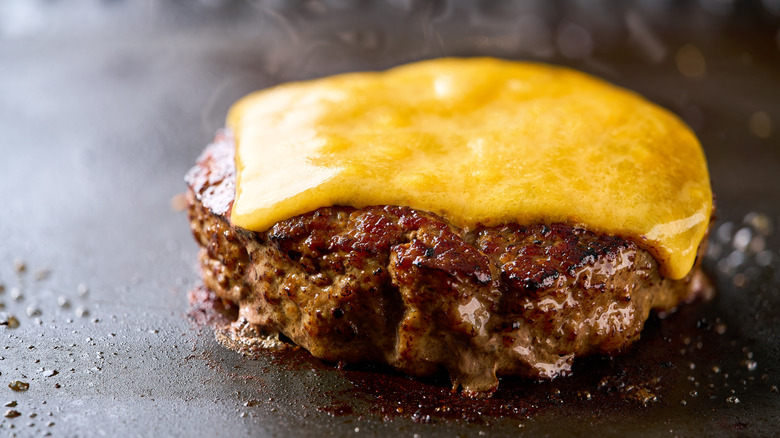
Some people like their burgers plain, without any dairy involved. But still others prefer a cheeseburger to a plain hamburger — that extra bit of creaminess really takes the sandwich to a whole new level, and it complements the freshness of the other toppings you'll use. While you can technically add your cheese after the burger is finished cooking, there's a better way of doing things to get that melty, creamy texture you're going for.
Per Clare Andrews, adding a slice of cheese in the last minute of cooking provides the perfect melted texture. And since you're not cooking the meat for an extra amount of time to get that cheese melted, you won't be left with a dry, overcooked burger either.
So, what cheese should you add to your burger patty? American cheese is a classic choice, of course, but if you want to switch things up, try using some of these underrated cheeses. Some of our favorites include Manchego, Comté, and pimento cheese.
Add salt to your burger patties ... but not too early
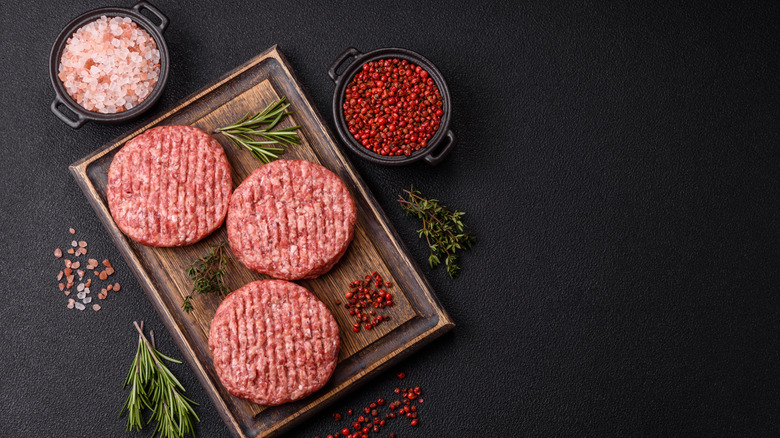
Some dishes need a lot of seasoning to taste their best, while others are arguably better with a simpler flavor profile. We happen to think that burgers fall into the latter category. You don't need to season them with paprika, turmeric, or even garlic powder for them to really shine. Instead, according to Mark McShane, all you really need is some salt and pepper. These ingredients enhance the natural flavor of the meat without overpowering it.
But when should you add salt and pepper to your burger? McShane sprinkles the seasonings onto the burger patties before cooking them. However, he says you shouldn't do it "too long in advance, as salt can draw moisture out." You want all of those juices to stay in the burger so you can taste them once you take that big first bite. Therefore, it's best to wait until right before you're ready to cook the burgers before adding any seasoning.