

Garden Pests Hate This Sweet Pantry Staple (Plus It Keeps Your Garden Growing And Healthy)
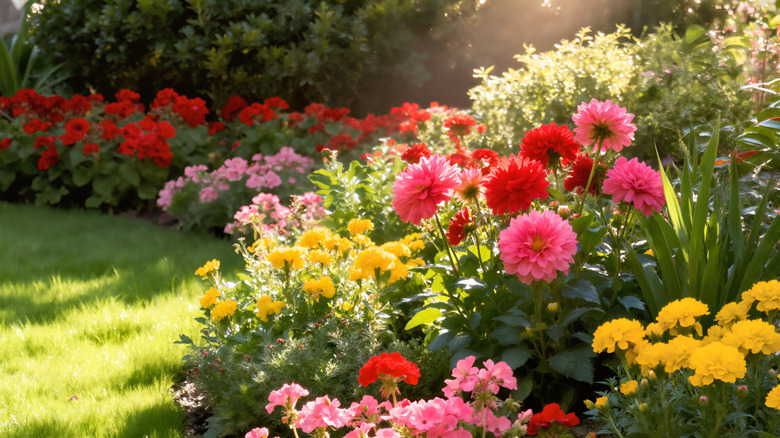
If you're dealing with small pests or trying to keep young plants healthy, it's worth reaching into the spice cabinet before trying something more specialized or toxic. Cinnamon is one of the classic "warm" spices, crucial to cinnamon rolls, pumpkin pie, and traditional horchata. But, you might not have heard that it can also be used in your garden as an insect repellent and plant fungus preventative. Cinnamon contains compounds like cinnamaldehyde, which have natural antifungal and antimicrobial properties, meaning it actively interferes with the kinds of organisms that can damage plants.
Although cinnamon is a pantry staple that can also keep kitchen and garden pests away, it's important to be realistic about its capabilities. It won't be able to eliminate a full-fledged infestation, but its strong scent and volatile compounds can disrupt scent trails and make an area less appealing to small ground-moving insects like ants. It's more like a stinky boundary than an eradicating solution, encouraging pests to move along rather than settle in, but that can be helpful as a mild, non-toxic frontline defense.
Another plant problem cinnamon can help with is damping-off, a fungal problem that causes seedlings to collapse. A light dusting of cinnamon on the soil surface can help inhibit that fungal growth, creating a less hospitable environment for spores to take hold. Some gardeners use it when propagating cuttings, because it helps prevent rot long enough for roots to form. It can also be used on visible mold and mildew, and is especially good for contained growing environments like seed trays and indoor plants, where there isn't natural drainage, and moisture can accumulate.
A little bit of *spice*
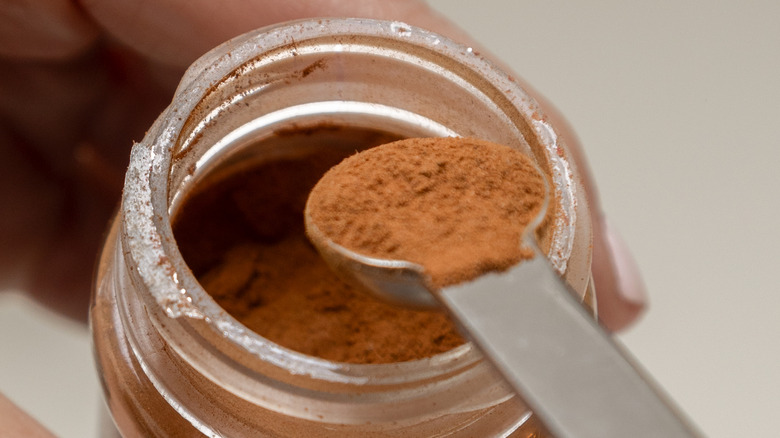
The nice thing about this method is how straightforward it is without any extra prep or precision necessary. For fungal prevention, sprinkle a thin layer directly onto the soil, especially around seedlings or freshly planted starts. If you're pruning or taking cuttings, dusting a small amount onto the exposed area can help protect the plant from infection while it heals. This works because it acts as a dry barrier that reduces the chances of pathogens entering through open tissue.
For pest control, cinnamon can be scattered lightly around the base of the plants or along the edges of beds and containers. It's most useful in small, controlled spaces where you're trying to discourage insects from settling in one specific area. Distributing an effective amount of cinnamon over an acre-sized crop would be expensive and impractical, although some parks departments do use clove oil as a natural herbicide to cover large areas.
Because it's a loose powder, it can be physically carried away by wind, water, and erosion, so it will need to be reapplied periodically, after watering or rain. It's also quite strong and can harm some more sensitive plants like orchids, so check to make sure your plants will appreciate it before giving them a sprinkle. Cinnamon won't replace good soil or active garden tending, but it's a good, spicy tool to keep in your garden shed.