

The Easy Way To Avoid Giving Protein Pasta A Mushy Texture
The food world is obsessed with protein. In so, the nutrient has found its way into nearly every grocery aisle — from protein popcorn and chips to protein beer. Pasta made from protein-rich ingredients isn't a novel idea — gluten-free alternatives like lentil and chickpea pasta have long been on the market — the craze is making it more accessible than ever. However, it may require more work. If you've given plant-based pasta a try but find that it becomes overly soft, the problem likely isn't the product itself, but the fact that you're treating it like regular noodles.
Chef John Politte, the founder and host of "It's Only Food," told Tasting Table that the varying ingredients in the product need different treatment. "Protein pasta requires a different approach from standard pasta because it is typically made from ingredients like lentils, chickpeas, or other legumes, which behave differently during cooking," he explained. "These ingredients tend to absorb water faster and soften more quickly than wheat-based pasta, making protein pasta more prone to becoming mushy."
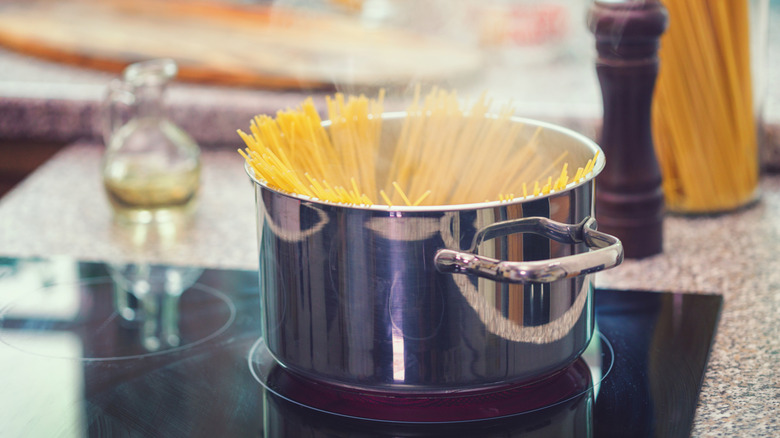
You can still use plenty of water when cooking high-protein pasta, but Politte suggests slightly undershooting how long it takes to cook. "Protein pasta often cooks faster than traditional pasta, so start checking for doneness a minute or two before the suggested minimum time," he said. Once the noodles are al dente, drain them immediately. Politte also suggested rinsing the drained noodles with cool water to prevent any carryover cooking.
It's not too late to save your mushy protein pasta
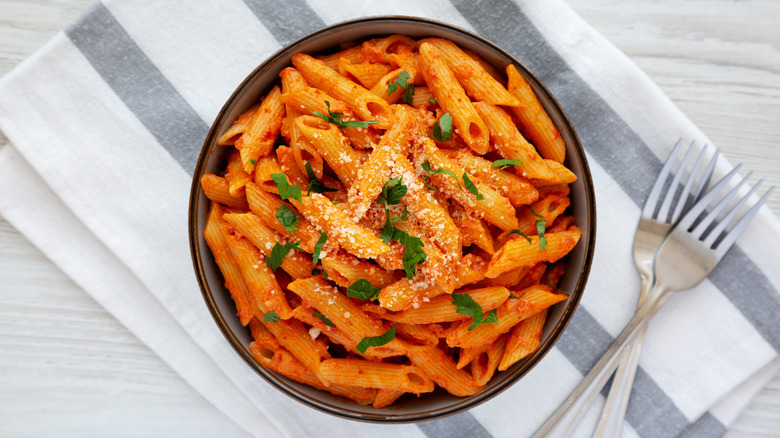
Though John Politte said saving overly soft pasta isn't easy, you can try to make it better. "Tossing the pasta with a little olive oil and letting it cool may help it firm up slightly," he said. Politte said the method can also be employed when you're not serving the pasta right away to prevent the noodles from sticking together. He also advised, "If you're adding the pasta to a hot sauce, combine them just before serving to prevent the pasta from absorbing too much liquid and losing its texture."
For pasta that's too far gone, the chef said to repurpose it into something new. "You can also bake the mushy pasta in a casserole or toss it with sauce and bake at a high temperature to create a crispy topping," Politte offered. Soggy chickpea pasta isn't ideal, but when transformed into a baked mac and cheese casserole or baked creamy red pepper penne pasta, the extra moisture isn't a problem.
When done right, protein pasta is the key to eating your favorite dishes while boosting your health. Ultimately, Politte said, following the right steps will yield the best results. "By paying close attention to cook time, water temperature, and how you handle the pasta after cooking, you can keep protein pasta firm and enjoyable instead of mushy."