

Why Many Thrift Stores Won't Accept Small Kitchen Appliances
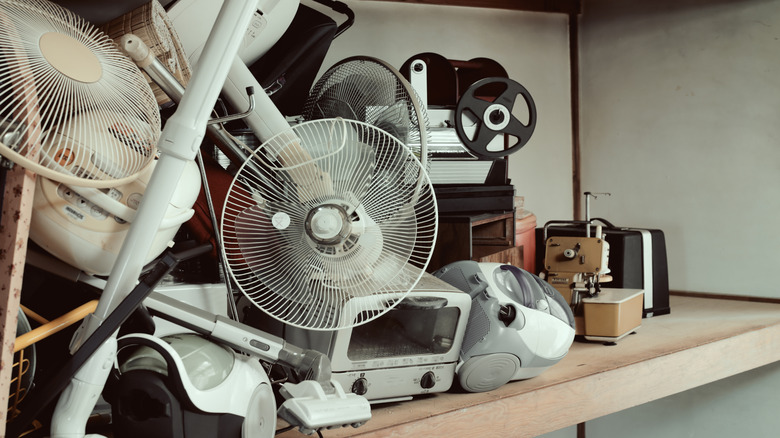
If you've recently upgraded one of your small kitchen appliances but the old model is still in working condition, you may decide to donate it to your local thrift store. It might seem like the perfect way to get rid of an old toaster, blender, or coffee machine in a manner that reduces landfill waste while contributing to a worthy cause. However, the reality is that many thrift stores refuse to accept these kinds of appliances.
The reason is mostly a legal one — specifically, it's a liability issue. Small kitchen appliances often contain some combination of electrical components, heating elements, and moving parts, which can degrade or become damaged over time. If a donated secondhand appliance malfunctions and injures whoever bought it, the store may be held legally responsible. There's also the chance that older appliances were manufactured under outdated safety standards and have a higher chance of causing harm.
While a thrift store could theoretically test donated appliances to guarantee their safety, this takes time, money, and resources that most charitable organizations can't spare. Plus, testing still may not guarantee they're not held liable if something goes wrong. Some stores do conduct safety testing, but even those may not accept every type of appliance, and they might place an age limit on the items they'll take. Thrift stores sometimes sell electrical appliances with a disclaimer stating that the customer understands they're buying an item "as-is," but this doesn't necessarily negate their liability either. It's worth noting that electrical appliances aren't the only items thrift stores frequently turn down for liability reasons — baby products with high safety standards, such as car seats and cribs, are another product type that many thrift stores avoid accepting.
Some secondhand appliances are still worth buying
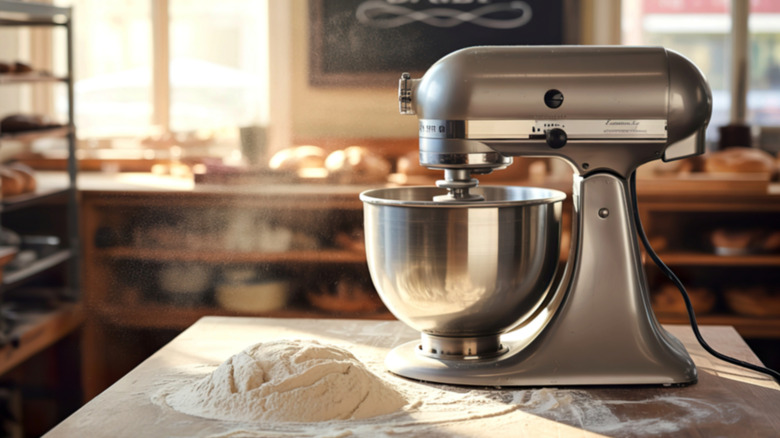
While it makes sense that thrift stores are cautious about supplying used kitchen items, you shouldn't completely avoid secondhand appliances. It can be a great way to reduce waste, minimize your environmental impact, and save money at the same time. However, it's important to know which kitchen appliances are worth buying secondhand, and which to avoid.
Ultimately, some brands and appliance types are more durable and higher quality than others, so there's a lower risk of them malfunctioning, even when they've been used for a long time. Air fryers, microwaves, and stand mixers typically have a reputation for being built to last, while food processors are a chef-favorite appliance known for their longevity. This doesn't mean these items carry no risk, so you'll still want to be cautious if you're purchasing one secondhand.
First, it's a good idea to look up the brand and model number of the appliance to get an idea of its reliability. This will also let you know if it's been recalled by a manufacturer due to a safety hazard. Then, you'll want to visually inspect the item for any signs of physical damage, such as worn power cords. Ideally, you want to be able to test the product, too. In a best-case scenario, the appliance has undergone a recent safety test, but if this isn't the case, you may want to get it professionally tested yourself. Whether this is worth the effort and expense will vary depending on how much money you're saving by buying it secondhand. So while thrift stores may limit what they'll accept to reduce their liability, informed buyers can still find safe, used appliances, as long as they remain cautious and are prepared to do a little research beforehand.