

Why Malt Liquor Is Struggling To Survive
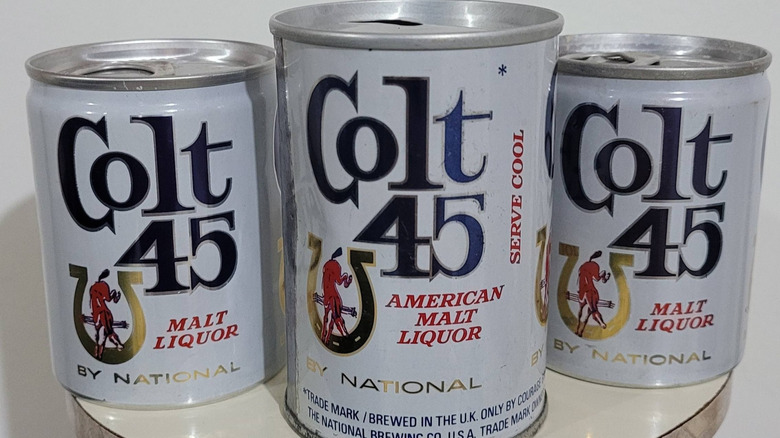
Malt liquor is a unique style of beverage that once held a distinct place in America's drinking culture. Offering a higher ABV and lower price point than most other mainstream lagers, malt liquor brands such as Colt 45 and Olde English 800 built a loyal following throughout the second half of the 20th century, but sales have long been on the decline. The alcohol industry is forever changing, and trends come and go, but it seems unlikely that malt liquor will experience a revival.
Although malt liquor was invented around the 1930s, it began gaining popularity in the '50s and '60s, as brewers marketed it to middle-class consumers as a premium-yet-affordable alcoholic beverage. However, over time, malt liquor's reputation began to sour. By the '80s, malt liquor producers had realized they could maximize profits by targeting low-income customers like college students. At first, this approach was a huge financial success for the brewers, but they eventually faced accusations of using controversial marketing to promote irresponsible drinking among vulnerable consumer groups. This change in perception coincided with the US craft beer boom – discerning beer drinkers began turning to higher-brow brews which still boasted higher ABVs, and malt liquor fell further to the wayside.
Today, even craft beer is losing ground to modern drinking trends, such as low-calorie canned cocktails. And not only have drinkers' tastes changed, but many are ditching booze altogether. As younger Americans become increasingly aware of the detrimental effects of alcohol, people are drinking less every year.
Modern drinking trends are leaving malt liquor behind
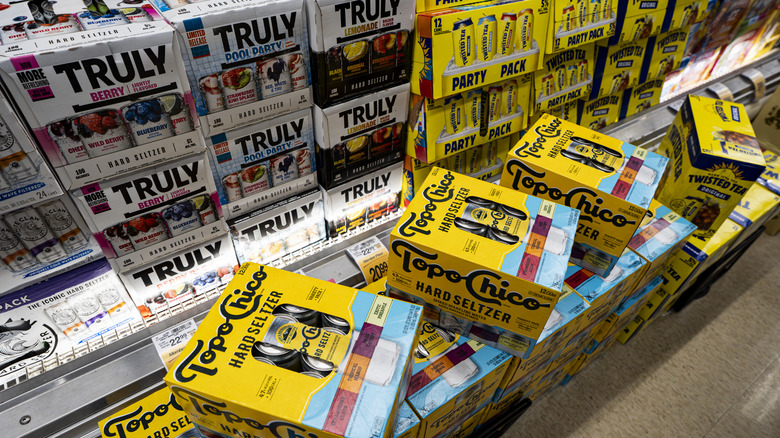
While malt liquor's decline may have begun with shifting tastes and perceptions, it's being accelerated by replacement products. Over the past decade, hard seltzers and ready-to-drink cocktails have exploded in popularity. Offering more palatable flavors and lower alcohol content, these beverages have filled the "convenient drinking" space that malt liquor once dominated. These drinks also have the benefit of modern branding, whereas old-school malt liquor brands have failed to meaningfully adapt to the times.
Plus, low- and no-alcohol beverages are no longer a niche product. As demand grows for moderation, especially among younger consumers, major alcohol brands are investing heavily in alcohol-free alternatives to their flagship products. Even those still drinking beer are turning toward mid-strength beer styles. There aren't many folks calling out for cheap, high-strength, low-quality options like malt liquor. Its core audience is getting older, and its customer base continues to shrink; meanwhile, retailers are saving their shelf space for in-demand products that sell well, and they have no shortage of choices.
It's unlikely that malt liquor will disappear entirely, but it's certainly fallen a long way since the turn of the century. And while there's always a chance that producers will innovate and overhaul the category, or that drinking preferences will evolve in malt liquor's favor, it's doubtful that it will ever be more than a niche, nostalgic product.