

The All-Time Best Soup-Making Tips From Food Network Stars
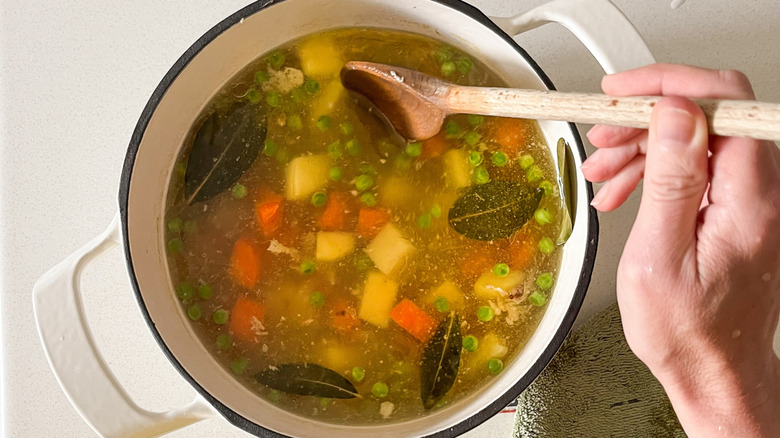
Soup is one of the most comforting, versatile, and approachable dishes to whip up from scratch. And with so many different ways to craft a warm, flavorful broth, it can be tricky to know what method to go for. But, the perfect place to find inspiration is in the recipes of those who know best — the chefs who have spent years mastering the art of soup-making.
Over the years, the stars of America's beloved Food Network channel have shared many a nifty trick for elevating soups. From game-changing add-ins and time-saving techniques to flavor-boosting finishes, there are countless ways to take a basic pot of broth to the next level of deliciousness. And, most involve small, simple tweaks that won't overcomplicate your prep.
To help you up your soup game, we've rounded up some top tips from your favorite Food Network chefs. Whether you're making a rich, slow-simmered broth, or pulling together a quick, wholesome weeknight dinner, these expert insights are sure to deepen flavor, improve texture, a bring a little extra finesse to every bowlful.
1. Giada de Laurentiis: Add cannellini beans to tomato soup to make it creamy
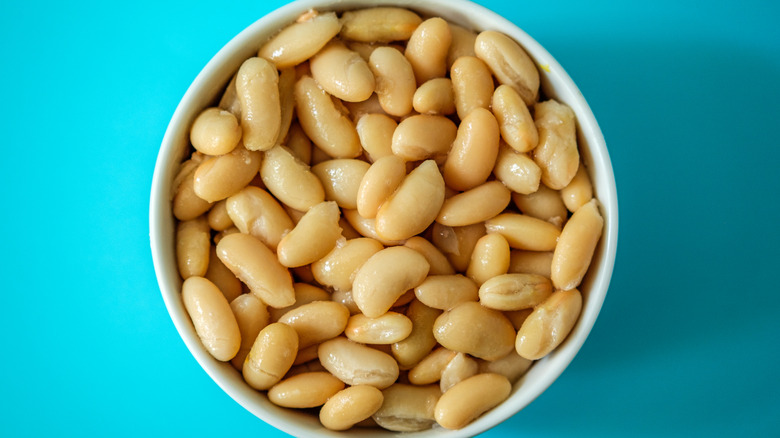
Many tomato recipes rely on heavy cream to add silky richness, but there's another way to improve the consistency of the broth, that also keeps things completely dairy-free. This clever trick comes from Italian-American chef Giada De Laurentiis, who loves to enhance a classic tomato soup with the addition of cannellini beans.
By blitzing the white beans into the rich, tangy broth, you'll thicken the soup up, giving it a luscious consistency that rivals any dairy-forward version. What's more, cannellini beans are packed with nutrients, including fiber, iron, and potassium, so incorporating them is really a win-win. De Laurentiis' go-to recipe features jarred sun-dried tomatoes, which she pairs with a classic aromatic base of celery, carrot, onion, and garlic, simmering everything with the beans and vegetable broth before blitzing the mixture up with a stick blender for a super smooth finish.
This approach also works for many other variations of tomato soup, whether you're keeping things simple with canned tomatoes, or roasting fresh ones. Either way, it's a simple case of adding a can of the drained and rinsed beans to the broth during the simmering stage, and blending everything up at the end.
2. Ina Garten: Add fennel to French onion soup for extra flavor
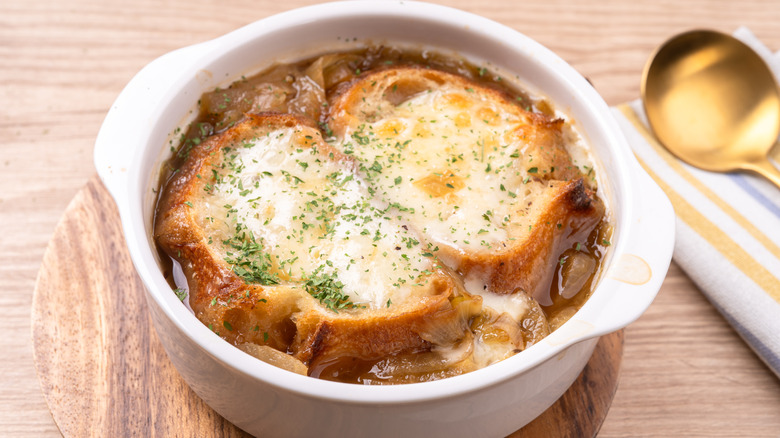
French onion soup is a timeless classic for good reason, but that doesn't mean there isn't room for a little creativity with this deeply savory favorite. Known for its rich, caramelized onion base and indulgent cheesy topping, this dish is all about building layers of flavor. And, according to Ina Garten, a subtle addition can make all the difference.
Garten's take on French onion soup sees sliced fennel sauteed with the traditional base of onions. This elegant vegetable brings a hint of sweetness and anise-like flavor, that complements the jammy, golden onions beautifully. As the fennel softens, it melds right into the broth, adding plenty of depth, while soaking up the complex flavors of the sherry, brandy, white wine, and beef broth.
Once you've prepared the fennel-enhanced broth, you can proceed the traditional way. Top each flavor-packed bowlful with melty, cheese-covered slices of toasted bread, and you'll have a sophisticated twist on a beloved comfort food dish, that feels both familiar and refreshing.
3. Bobby Flay: Stir in some sake wine for some added depth
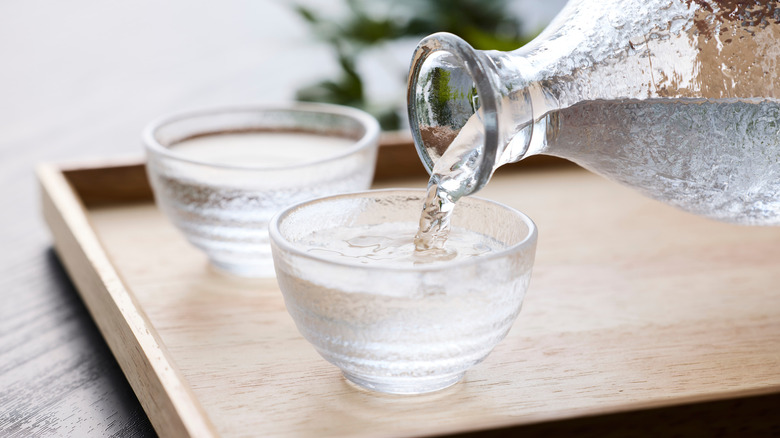
Bobby Flay's approach to cooking is defined by bold, vibrant flavors, and his soups are no exception. One of his smart tricks for adding depth to the broth is pouring in a generous splash of sake wine into your cooking. Sake is a Japanese staple made from fermented rice, and it boasts a clean, slightly sweet taste, with distinct notes of umami. This light, balanced profile makes the wine perfect for adding a subtle complexity to savory broths.
In Flay's recipe for "Winter Tonic" soup, he perfectly demonstrates sake's flavor-boosting abilities. Here, the chef leans into the Japanese theme, while also throwing in some immune-boosting extras to make the soup feel ultra-nourishing. He starts with a base of sauteed shallots, garlic, shiitake mushrooms, ginger, and turmeric, following with a good glug of the sake. After adding chicken broth to the pot, Flay builds on the wine's umami notes with a dash of tamari and a dollop of white miso. Then, to freshen everything up, he finishes with a handful of fresh scallions and cilantro. This method yields an exceptionally well-balanced, bright soup, that's packed with nutrients and savory richness.
While sake works particularly well in Japanese-style soups, you can absolutely use it in place of white wine in recipes like French onion soup or chicken and leek soup. Sake also makes an excellent addition to seafood soups, such as those made with clams, salmon, or shrimp.
4. Guy Fieri: Start your soup with a base of bacon grease

A splash of olive oil or pat of butter is a reliable starting point for crafting a homemade soup, but there's another, often-overlooked form of fat that'll pack even more flavor into the pot: bacon grease. Guy Fieri starts his famous "Fully Loaded Baked Potato Soup" this way, rendering the smoky, savory fat from thick-cut applewood bacon to provide a rich foundation for the other ingredients.
Fieri first crisps the bacon up in the soup pot, then sets the meat aside, leaving the flavorful drippings behind. The fat is then combined with flour to create a roux, before the milk, baked potato flesh, bacon, and cheese are added. Made this way, the soup takes on a whole new depth of flavor, with those salty, meaty notes infusing every spoonful.
Bacon grease works especially well in hearty, comforting soups just like Fieri's cheesy, carb forward recipe. Other top picks for enhancing with this method include corn chowder, potato and leek soup, or bean-based recipes, where the fat works to amplify the richness of the creamy or starchy elements.
5. Alton Brown: Use a pressure cooker to create a rich broth
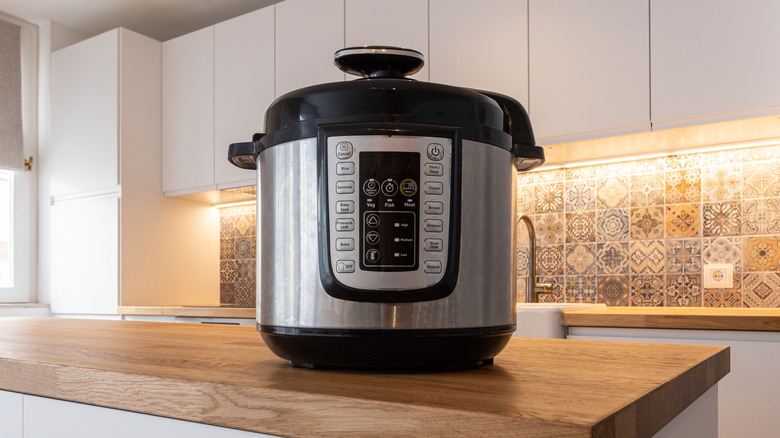
If you own a pressure cooker, you're already set up to create deeply flavorful, slow-simmered-style soups in a fraction of the time. Alton Brown is a firm advocate of this method, using the trusty appliance to build rich, complex broths without the need for hours of stovetop cooking. By sealing in steam, the cooker raises the temperature of the broth within, allowing the ingredients to cook at a higher temperature and break down more effectively, while locking in flavor.
In his recipes, Brown leans on pressure cooking to rapidly extract flavor from ingredients like bones, aromatics, and spices. His chicken soup, for example, calls for a whole chicken, carcass and all. This is simmered in the shoyu-spiked broth with a medley of sweet, aromatic veggies, with a total cooking time of less than an hour. And, the resulting soup is packed with savory complexity.
The chef applies the same principle to his beef pho recipe, where warming spices, charred aromatics, and a mix of meats are all cooked under pressure to build a richly layered broth. A chilled potato- and leek-based vichyssoise soup can also benefit from the pressure cooker treatment, as seen in an episode of Brown's YouTube series, Good Eats: Reloaded. Here, the chef notes that the appliance has a unique ability to break the potatoes down without causing the unwanted gumminess that can occurs with lengthier cook times. Hence, the soup comes out light, creamy, and silky smooth.
6. Alex Guarnaschelli: To preserve texture, don't add pasta too early
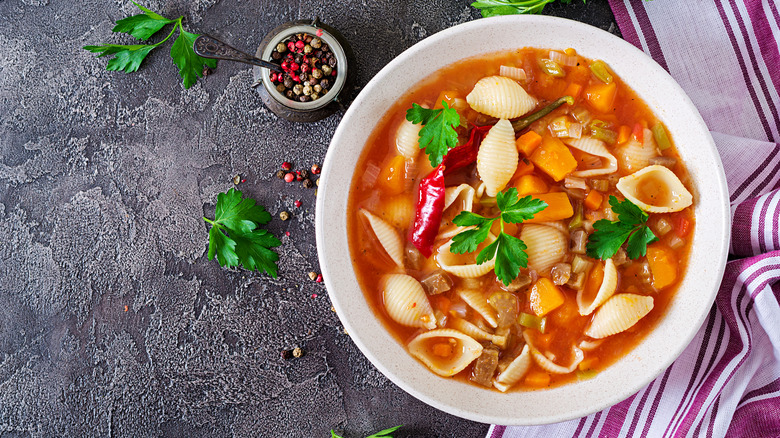
Timing can make or break the texture of a well-crafted bowl, especially when there's pasta involved. In an exclusive interview with Tasting Table's sister site, Mashed, Food Network chef Alex Guarnaschelli emphasized just how crucial it is to add noodles to soup at the right time. If you cook the pasta in the pot right from the start, the noodles will likely absorb too much liquid and end up mushy, leaving your soup a little lackluster. To prevent this, Guarnaschelli recommends adding it around 10 minutes before the simmering time is up. This gives you more control over the pasta's level of doneness, so you can achieve a perfectly al dente finish.
Pasta makes a fantastic addition to various soups. In classic recipes like pasta e fagioli, hearty minestrone, and tortellini soup, the pasta adds a welcomed dose of heartiness, making each bowlful feel like more of a complete meal. The starch released by the noodles during cooking also helps to thicken up the broth, for a more satisfying consistency overall. By incorporating these crowd-pleasing carbs correctly, you'll create a dish with a pleasing bite that makes it feel wonderfully fresh and elegant.
7. Maneet Chauhan: Avoid ground spices to achieve clear broth
With certain soups, creating a beautifully clear broth is the goal. And, this doesn't always have to involve complicated techniques or extra steps. In fact, a simple ingredient choice can make all the difference, as Food Network star Maneet Chauhan mentions in an episode of the Splendid Table podcast.
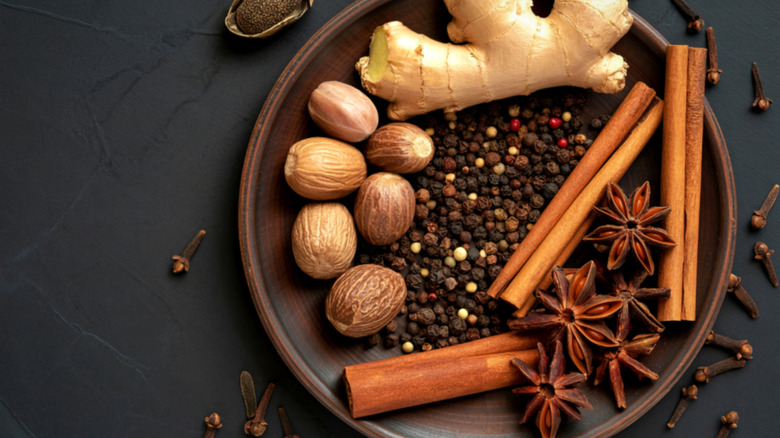
In soups that feature warming spices, such as Mexican, Moroccan, or Asian-style recipes, it's best to avoid ground spices, which can create a cloudy appearance as they disperse through the broth. Instead, opt for whole spices, such as cinnamon sticks, star anise pods, and black peppercorns, which gently infuse the soup with warmth and depth without breaking down. Pair the spices with the right ingredients, you'll be left with a deeply aromatic, yet visually clear broth.
This technique is ideal for lighter, brothier soups like Vietnamese pho, or delicately-spiced recipes that make chicken or vegetables star. Once everything has finished simmering, you can simply strain the spices out, leaving behind a clean, flavor-packed dish that'll taste just as glorious as it looks.
8. Michael Symon: Finish with a pistou to brighten it up
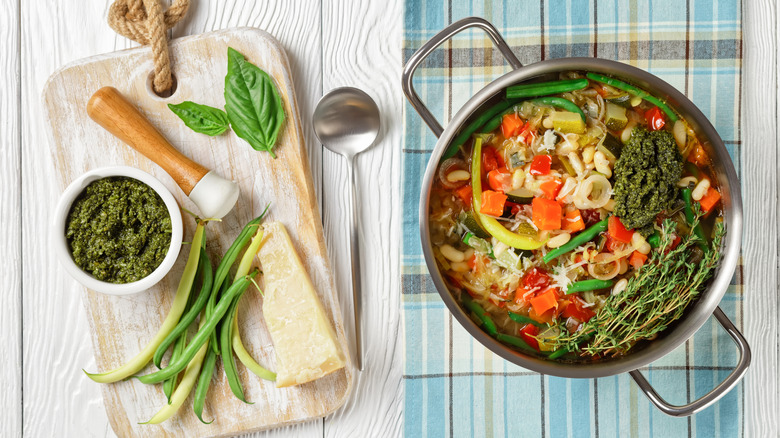
Finishing a soup with a bright, fresh element can transform it into something truly special. Chef Michael Symon's favorite way to achieve this is with a classic French pistou. This vibrant green sauce is similar to an Italian-style pesto, but tends to go heavier on the garlic. Pistou also typically has a shorter ingredient list than pesto, with basil, oil, garlic, and salt being the core elements. However, variation is common between different recipes.
Symon's version of pistou actually takes a rather unconventional approach. In fact, there's no basil or garlic in sight here. When making a pistou for his vegetable soup, the chef reaches for a medley of thyme, rosemary, sage, and parsley, pulsing the herbs up before adding grated Parmigiano Reggiano cheese and olive oil. He incorporates the pistou right before serving, spooning the bright, herby sauce over each steaming bowlful for a bold injection of flavor. This adds heaps of color and richness too, all without making the soup feel overly heavy.
If you're considering elevating a soup with pistou, pick a light, brothy base that'll allow those wonderful fragrant flavors to shine. The herbal notes work brilliantly alongside naturally sweet veggies like carrots, zucchini, and tomatoes, as well as mild proteins such as chicken and white beans.
9. Kardea Brown: Keep carrots and turnips chunky
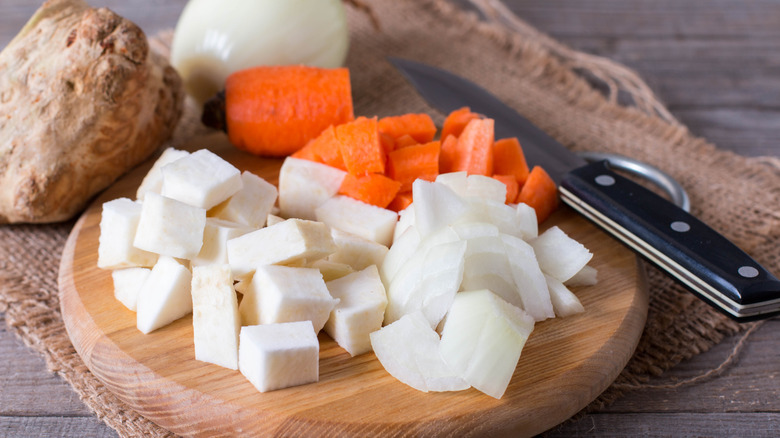
Leaving a vegetable soup unblended is a fantastic way to maintain heartiness and bite, and Kardea Brown's cozy "soup bunch" recipe is full of satisfying textures. To ensure that each element comes out perfectly cooked, she makes a simple adjustment to her prep method, giving careful thought to how finely she chops each vegetable.
While Brown dices the base of onion, bell pepper, and celery finely, so they can release their flavors quickly and evenly in the pot, she treats the carrots differently. As the chef explains in a Food Network video, "I try to make them just a little bigger, because if you make them smaller they'll cook very fast and get really mushy." She takes the same approach with the turnips, deliberately leaving them on the chunkier side so they maintain integrity while simmering in the broth. The result is a soup with plenty of character, thanks to its rich, aromatic base, and perfectly tender chunks of sweet, earthy root veggies.
10. Anne Burrell: Add corn cobs to corn chowder for an extra dose of flavor
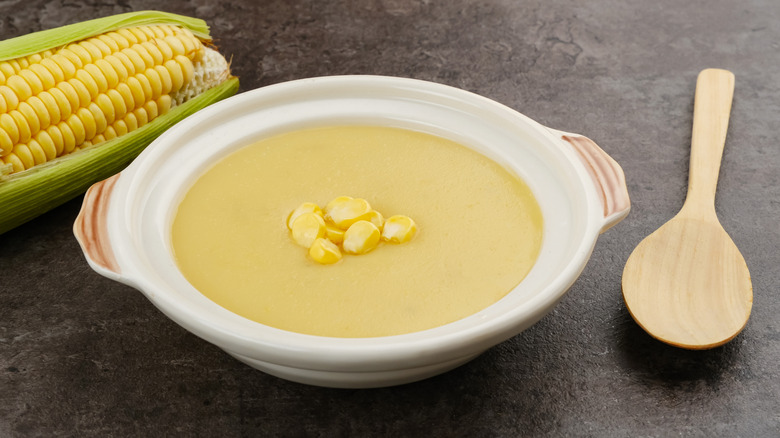
To give a creamy corn chowder an extra hit of sweetness and creaminess, make sure to keep hold of those rather dishevelled-looking empty corn cobs once you've scraped off the kernels. This tip comes from Anne Burrell, who uses the humble corn discards as effective tool for boosting the depth of her chowder.
As Burrell demonstrates in a Food Network Kitchen clip (via Facebook), the bare cobs pack a notable dose of sweet, vegetal flavor. The chef simmers the cobs in the broth alongside the juicy kernels and the other savory, spicy elements, including onion, jalapeños, and potatoes. This allows every last bit of that rich corn flavor to be extracted, creating a more concentrated, corn-forward broth.
Once the simmering time is up, just remove the cobs and blend the soup as usual. Burrell likes to finish her smooth, sunny chowder with a sprinkle of chipotle powder and a splash of heavy cream, stirring in some extra corn kernels and garnishing each bowl with crispy bacon for a touch of smokiness and textural contrast.