

US Beef Could Be Harder To Find At Grocery Stores In 2026. Here's Why
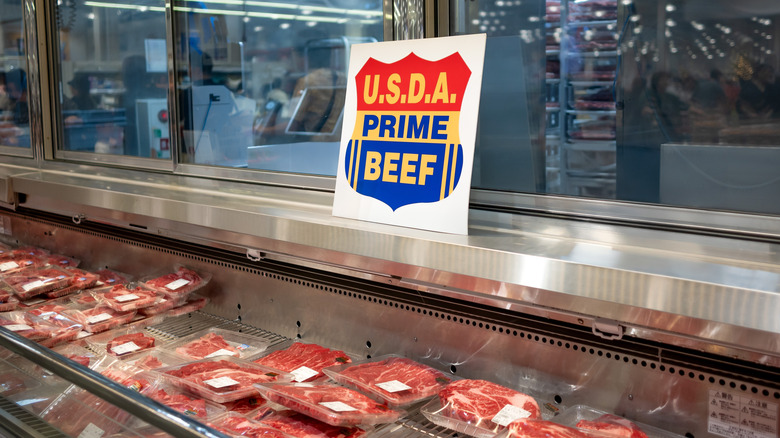
Many restaurants and grocery stores pride themselves on selling U.S.-raised beef, but that's a label you may be seeing less of in 2026. While lots of the food we consume is imported, America has long produced the vast majority of our own beef, with less than 15% coming from imports, according to the Cattleman's Beef Board. However, a host of disruptions from weather and trade to supplies have been weighing on the U.S. beef industry, and over the past four years, Beef Magazine reports that the amount imported has increased by over 80%. While most of the beef you find at the store will still be American, U.S. beef imports are rising due to a decline in overall beef production stateside.
The American beef supply is measured by head of cattle, and that number is currently the lowest it's been since the early 1950s. Never mind the fact that the nation's population has more than doubled during that time. Entering 2026, the U.S. cattle count was around 86 million cows, which is down 10% from the late 2010s. This figure has continued to decline for eight straight years.
There are few factors at play here, but the biggest has been a drought in the main cattle producing regions of the country. Across the American West, ranchers depend heavily on grasslands to feed their cattle, and years of low rainfall (and less snowfall during winter) have meant ranges have less grass and feed to support larger populations. This also has a knock-on effect for future beef supplies, as ranchers may slaughter existing breeding cows to cover the drop in supply, which means fewer calves are born.
Drought and high feed costs are driving down the supply of American cattle to historic lows
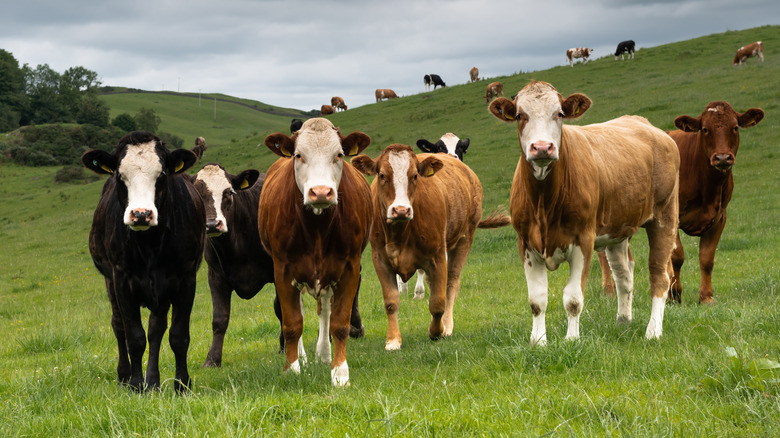
The decline in American cattle herds is primarily environmental, but also economic. The price of beef has increased 50% since 2021, according to the Bureau of Labor and Statistics (via NPR). And the cost of raising cattle has increased even more. When prices aren't high enough to cover the cost of raising cows, ranchers have less of an incentive to expand the size of their herds.
Almost everything about producing beef has gotten more expensive. While drought means less grass for cattle, it also means ranchers must switch to more expensive feed, which isn't exactly inexpensive. And then there's the many other expenses that ranchers also deal with. Since 2020, everything from fuel, fertilizer, and interest expenses on loans that support farmers has skyrocketed, according to the U.S. Department of Agriculture (USDA). Labor costs have also gone up about 50%. Add all that together, and raising cattle becomes exponentially difficult, contributing to smaller herd sizes.
Despite this, America's appetite for beef hasn't waned. Despite grousing about high beef prices, demand hit record highs in 2025, which is part of the reason retailers can keep raising prices without concern — and they almost certainly will continue to because of that demand. Although American cattle herds should start expanding again, the time it takes to birth and raise more cattle can mean it will be years before we start seeing herd sizes recover. We're a long way off from importing most of our steaks and burgers but Americans' love of beef means more meat from abroad for the time being.