

15 Restaurants From Food Network's Restaurant: Impossible That Completely Vanished
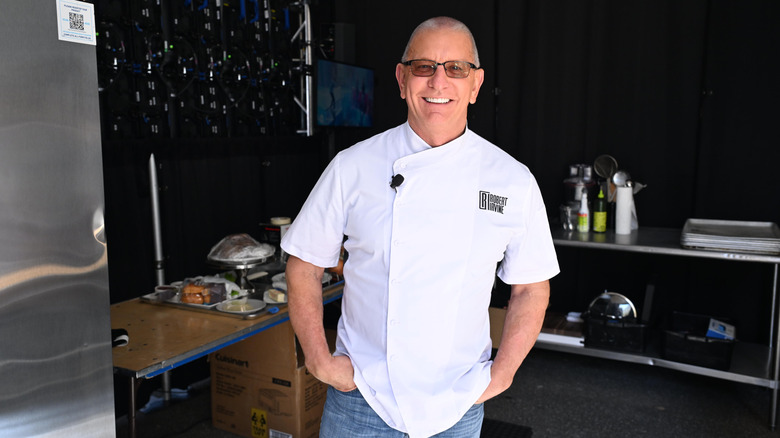
In 2023, fans were devastated when "Restaurant: Impossible" took its final bow. After more than 20 seasons, Food Network cancelled the show — which saw celebrity chef Robert Irvine attempt to save struggling restaurants across the country — for good. But fortunately for us, it's still possible to relive the glory days by watching hours of old episodes online.
If you're enjoying a marathon of "Restaurant: Impossible" reruns, you might find yourself wondering: What actually happened to that restaurant from 2011? Did it ever recover from rodent droppings in the kitchen? And did the owners commit to the new menu and regular cleaning schedules? If that's you, welcome. You're in the right place.
Here, we're focusing on the restaurants that didn't make it. Sometimes, even a clean kitchen isn't enough to keep the lights on. Below, we take a look at some of the restaurants from "Restaurant: Impossible" that completely vanished after filming. A moment of silence, please.
Villari's
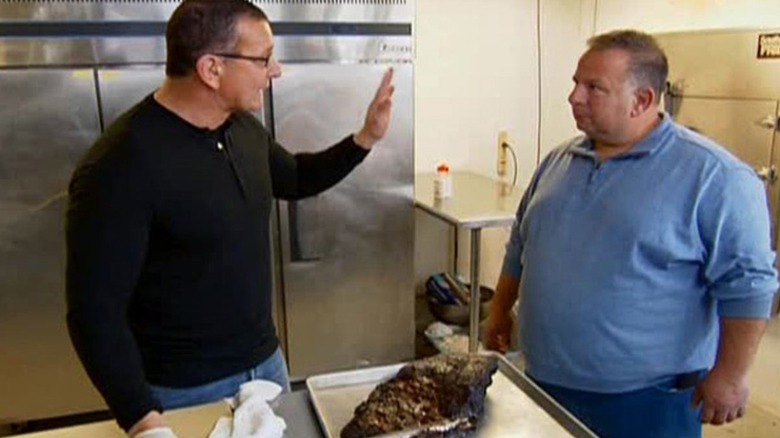
Villari's, which appeared on the pilot episode of "Restaurant: Impossible," was supposed to be a family legacy. It first opened in Palmyra, New Jersey, in the 1940s. In 2011, when Irvine arrived, it was being run by Paul Villari III, the grandson of the original owner. But things were pretty bleak. Villari's wasn't turning a profit, Paul couldn't pay his own salary, and, according to Irvine, the restaurant was dirty and run-down.
Irvine gives the restaurant a shiny makeover, hires a new executive chef (after getting four different chefs to compete for the role), and updates the extensive menu. But it wasn't enough. Or maybe it was too much. After the show aired, Villari's struggled to cope.
Paul's brother, Phillip Vallari, told The New York Times in 2012 that the new menu was too elevated and too expensive for Vallari's usual clientele, so they ditched Irvine's new approach after just two months. Two years after the interview, Vallari's closed its doors. The family soon came back with a new concept: a sports bar called Jerseys Pub. But it still wasn't to be. Jersey's Pub appears to have closed around 2015, and Paul has left the restaurant business and is now working as a realtor.
Dinner Bell
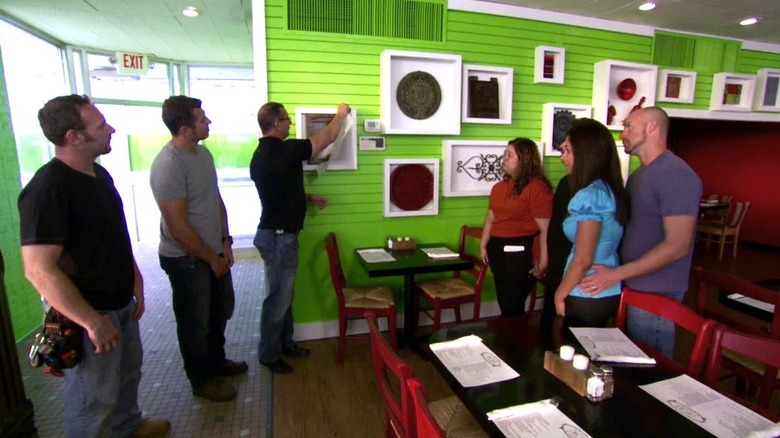
Reviving a restaurant in just a few days is stressful. But the drama this stress generates is exactly why people love "Restaurant: Impossible." When Robert Irvine visited Dinner Bell in Madison, Tennessee, in 2013, and gave the owner, Tommy, a few truths, things got pretty spicy. And so, the episode became one of the most memorable in the show's history.
According to Irvine, the service at Dinner Bell was lacking, the food was bland, and the interiors were dull. In response, Tommy threatened to fight Irvine. We told you: spicy. The drama didn't end there. Despite the fact that Tommy actually conceded to and praised Irvine's changes, which involved increasing prices and introducing better dishes, he wasn't thrilled with how "Restaurant: Impossible" depicted him and his restaurant.
Before his episode aired, the restaurateur took to social media and the local press to accuse Irvine and the "Restaurant: Impossible" team of making things worse for Dinner Bell. He said Food Network didn't support the restaurant properly, and he lost employees and customers because of it. In 2013, after Tommy reintroduced budget prices that made it impossible for Dinner Bell to turn a profit, the restaurant closed.
The Mad Cactus
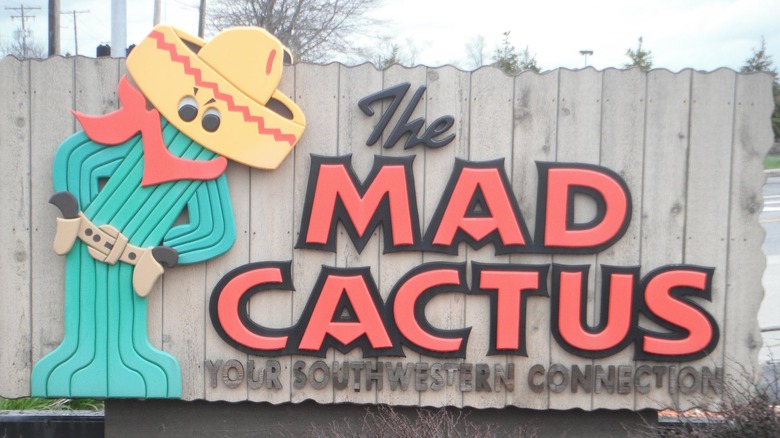
Two years before Robert Irvine pulled up at Dinner Bell, he had his work cut out for him at The Mad Cactus in Strongsville, Ohio. The Mexican-style restaurant was hemorrhaging money and struggling to compete with the dozens of other restaurants in town. Why? According to Irvine, the service was terrible, the kitchen was filthy, and the decor was unsightly.
When the host reflected on the show for Cleveland Magazine after filming, he said it was one of the hardest makeovers of the season, mostly because the owner, Tom Krukemeyer, was incredibly stubborn. But he was optimistic about his changes, which included refreshing the menu and overhauling the decor.
Customers weren't convinced. Many Yelp reviewers, drawn to the restaurant after its TV appearance, said that while the restaurant looked good and the menu sounded great, it couldn't actually deliver on Irvine's changes. One reviewer who visited in 2012 said their tacos were "inedible," another said they ordered the nachos, only to receive a plate of 12 tortilla chips. Others said the restaurant was dirty again, and the service was inadequate. So it's probably unsurprising that, as of 2013, The Mad Cactus is no longer in operation.
Mainelli's
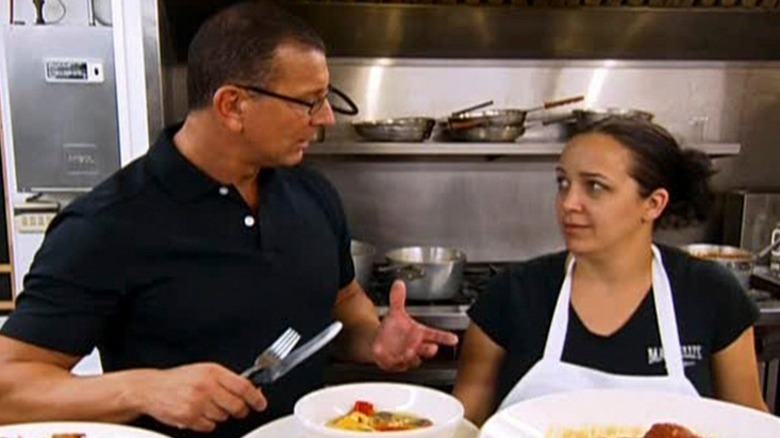
If you want Italian food in New England, Rhode Island is guaranteed to deliver. From Newport to Providence, the state is renowned for its Italian cuisine, with plenty of restaurants for foodies to choose from. This might be part of the reason why, in 2011, neighborhood Italian restaurant Mainelli's in Providence was struggling.
But the biggest issues were really the dirty tables, the slow service, the untrained chefs, and the food safety hazards. There were also huge red letters on the door that read "closed," despite the fact that the restaurant was actually open. All of this was bad news for Mainelli's, but catnip for Food Network viewers, so the restaurant appeared on the first series of "Restaurant: Impossible." All of that said, a local restaurant critic accused the Food Network show of exaggerating the issues and even inflating the prices of the menu to make things look worse.
During the episode, Irvine does his thing, improving the restaurant by upgrading the kitchen and the menu, and using the local press to get the message out that Mainelli's is open. Things started to improve, but, in the end, luck wasn't on Mainelli's side. A car crashed into the restaurant shortly after filming, and the team simply didn't have the funds to get things back on track. In 2013, Mainelli's was sold at auction.
Mama Lee's Soul Food
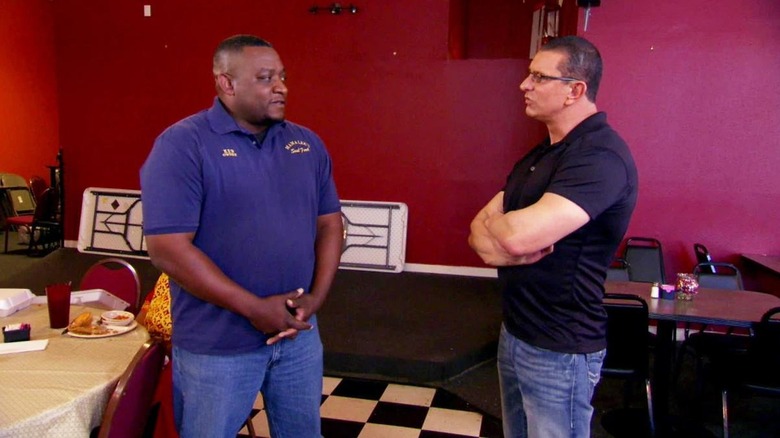
If there's anything guaranteed to put you off your food, it's rodent droppings. Unfortunately, Mama Lee's Soul Food, which featured on "Restaurant: Impossible" in 2012, had been plagued by this issue for years. In fact, it was one of the many issues Robert Irvine encountered when he inspected the restaurant, alongside a dirty kitchen, unmotivated servers, flavorless food, and subpar decor. But Irvine was determined to help turn things around, especially after realizing that the owner, Ken Lee, was a fellow retired veteran.
At first, Irvine's changes seemed to genuinely help. Several customers who visited after the filming noted that their experience at the restaurant was pleasant and that the food was enjoyable. The candied yams and the fried chicken, in particular, got multiple shout-outs. That said, not everyone was impressed, with some noting that the service was still slow and the tables were dirty.
In the end, it was the persistent rodent problem that put the final nail in the coffin for Mama Lee's. It was shut down in 2013, after health inspectors found yet more rodent droppings, dead and live roaches, and a generally dirty kitchen. Irvine expressed disappointment at the news, but said it was ultimately down to the restaurant owners to keep up with the changes after his departure.
The Anchor
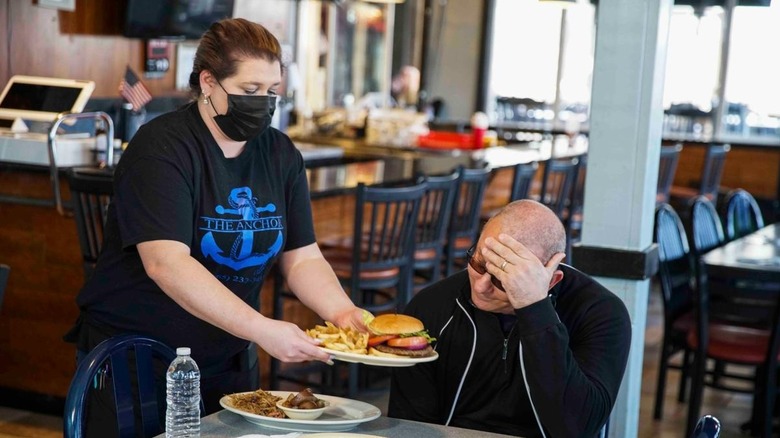
The hardest part of running a family business? Working with your family. Well, for some people, anyway. That was certainly the case at The Anchor. The waterside restaurant in Louisville, Tennessee, featured on "Restaurant: Impossible" in 2021, and unlike the other episodes we've mentioned so far, some of the biggest issues were the family dynamics.
The owner, Robert Lane, constantly yelled in the restaurant, including at his employees (two of whom were his children), creating a pretty toxic atmosphere. Lane agreed to work on his anger issues, but there were other problems, too, including overcooked, flavorless food.
During the episode, Robert Irvine helped Lane work on his relationship with his children and fixed some glaring kitchen issues, but it wasn't enough. Despite getting some pretty positive reviews from customers, The Anchor closed down not long after its "Restaurant: Impossible" episode was filmed.
So Natural Organic Restaurant
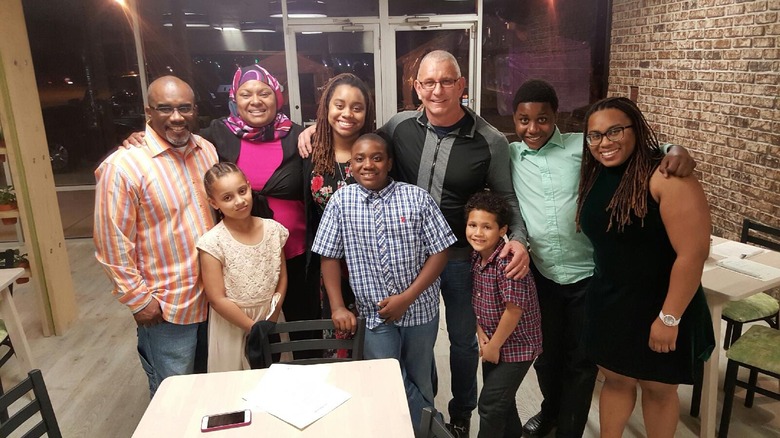
We wish it weren't so, but having a passion for something doesn't automatically mean you're good at it. Unfortunately, this was the case for Jameel and Luvina Sabree, who loved organic, healthy food, but were struggling to get their restaurant, So Natural in Harker Heights, Texas, off the ground. Robert Irvine was called in to help in 2016 by the couple's daughter, who was concerned about the future of the family business.
"Restaurant: Impossible" has seen some kitchen horror stories, but So Natural wasn't actually one of them. When Irvine taught the Sabrees how to properly season their food, it came out tasting pretty good. He also gave them business advice and gave the interiors of the restaurant a refresh to try to help them turn a profit.
Unlike some who have appeared on the show, Luvina was grateful for Irvine's intervention. She even opted to appear on the "revisited" version of the show in 2020. The restaurant is no longer in operation, but this isn't a sad ending, as the Sabrees now run a catering business instead.
Cape Horn Family Restaurant
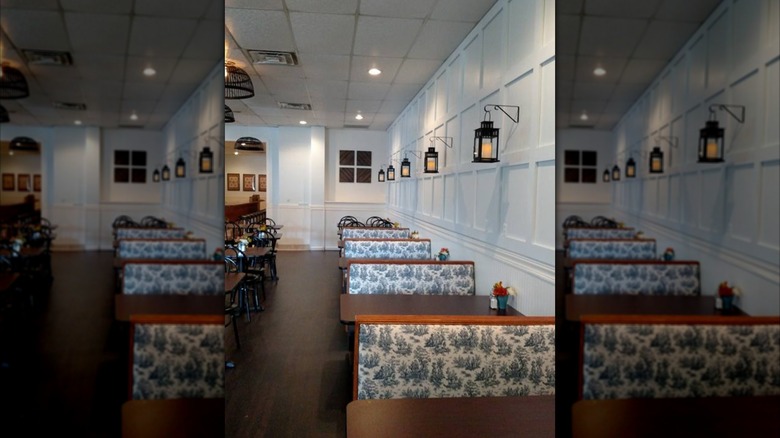
If you're struggling to run a business, the first thing you should do is ride a rollercoaster. It's odd advice, but in the 12th season of "Restaurant: Impossible," that's exactly what Robert Irvine asked one restaurant founder to do. Joni Kauffman was struggling with a lack of confidence and leadership skills, which led to a lack of respect from her employees, so Irvine thought that facing her fear of roller coasters would help her build confidence. And reader: It kind of worked. Kaufman said she felt braver afterward and returned to the restaurant with newfound confidence.
Of course, Irvine did all of the other usual things. He refreshed the restaurant decor, deep-cleaned the kitchen, and helped the chefs improve the food. Some customers loved Cape Horn Family Restaurant after the revamp, but others were unimpressed with the dirty atmosphere and the food. In 2016, Cape Horn Family Restaurant closed, partly because Kauffman was unable to be present in the restaurant due to cancer treatment. She died in 2017.
Snooty Fox
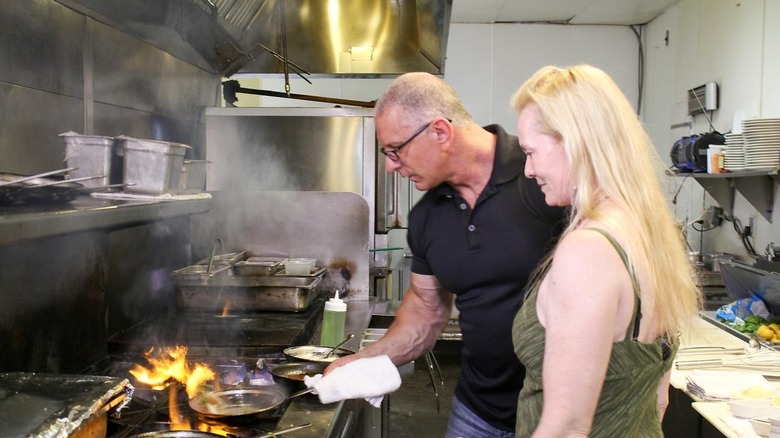
What do you expect from an English-style pub? English-style food is probably pretty high on the list. But when Robert Irvine visited the Snooty Fox in Indianapolis, Indiana, for "Restaurant: Impossible" in 2011, he didn't find much of it on the menu. After auditioning new head chefs for the pub (because the old one had walked out), he revamped the menu with traditional English dishes like bangers and mash and fish and chips. But not before deep cleaning the kitchen, of course.
Initially, Irvine's changes worked. According to the owner, Tim Queisser, the pub had a nice little bump in business after the show. But in the end, it wasn't enough. Customers stopped coming through the door, and the Snooty Fox closed just a few months after filming.
Quisser wasn't sure exactly what happened and speculated that it could have been menu changes or bad management. But Yelp reviewers might cast more light — reviews from 2011 report that the food was mediocre (or downright terrible), the service was slow, and the menu didn't deliver.
Pastori's
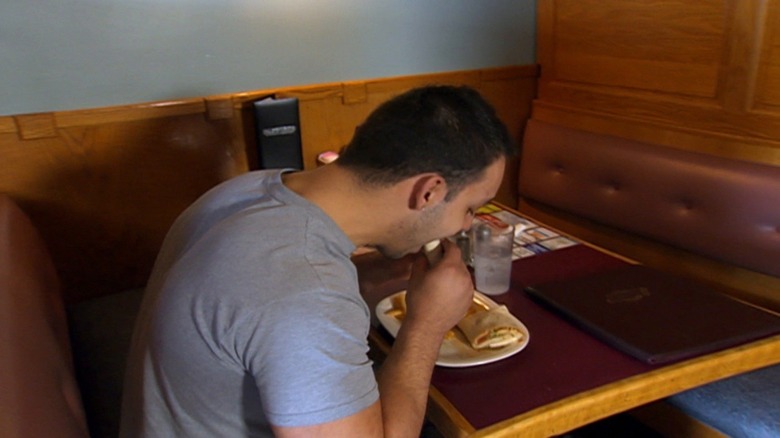
One of the glaring issues facing Robert Irvine when he rolled up at Pastori's in Ellington, Connecticut, was the menu. And not just the quality of the food, but the amount of it. In fact, the Italian restaurant was attempting to offer around 400 menu items to customers. That's a heck of a lot for serving and kitchen staff to get their heads around, let alone the customers. Other issues included a smelly carpet, cold food, bad service, and family conflict.
But, at the time, the restaurant had been running for more than two decades, so owner Bill Savvidis was keen to turn things around. Irvine refined the menu, upgraded the decor (including the smelly carpet), and trained the kitchen staff on food safety. But in 2014, just three years after Pastori's episode aired, it closed for good.
While Savvidis seemed outwardly happy to move on, behind closed doors, things might have been tumultuous. Even after Irvine's visit, some reviewers claimed that the restaurant was still dirty, the food was still cold, and the quality was still lacking.
Cap'n and the Cowboy
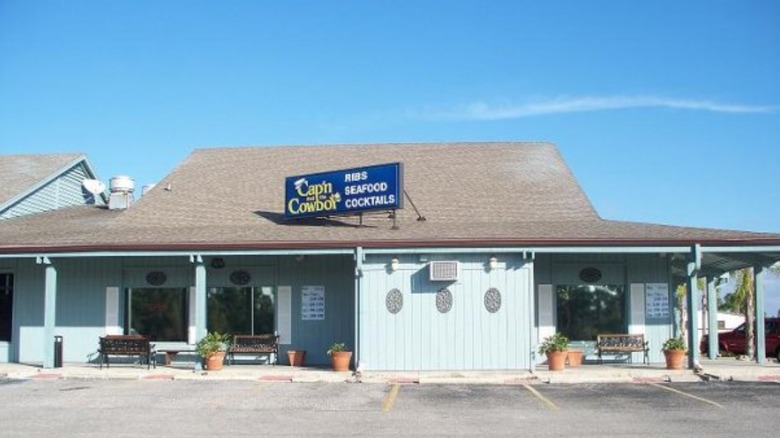
In the second season of "Restaurant: Impossible," Robert Irvine headed to Port Charlotte, Florida, to check out the steak and seafood joint, the Cap'n and the Cowboy. There, he found that the restaurant was poorly run by owner Nick Scaringella, who wasn't on top of the restaurant's finances or inventory and was in denial about the food's quality. With the powers of Food Network's budget, Irvine waved his magic wand and conjured up a new menu and a revamped interior.
But ultimately, it wasn't enough to keep the captain and his cowboy afloat. After the episode aired, there were mixed reviews from the public, with some observing a notable improvement, and others walking away still feeling pretty disappointed with the food and the service. So perhaps it's not hugely surprising that in August 2012, just one year after it featured on "Restaurant: Impossible," Cap'n and the Cowboy closed its doors for good.
Long Branch Steak and Seafood
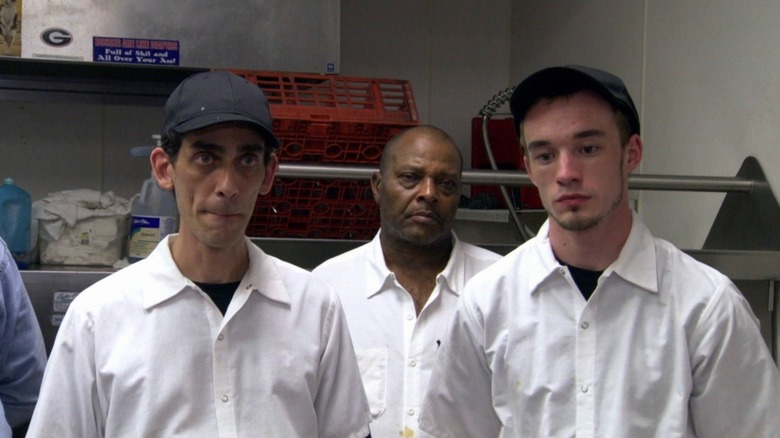
When it comes to restaurant food, quality is important. But safety? That's vital. Unfortunately, when Robert Irvine stepped into the kitchen of Long Branch Steak and Seafood in Fayetteville, Georgia, during season four of "Restaurant: Impossible" in 2012, he came across several health violations that definitely shouldn't have been ignored at a restaurant, including cockroaches. In fact, he even found one of the critters stuck to an ice cube. Nice. Like rodents, cockroaches are a serious health hazard, as they can contaminate food and drinks with harmful bacteria.
As well as cockroaches, Irvine also found a freezer with moldy and freezer-burnt food. On top of this, the owner, Lisa Howard, was struggling to discipline her staff and turn a profit. And the food wasn't just unsanitary; it didn't taste great, either. But, of course, Irvine did his thing. In just a few days, the kitchen was clean, there was a new menu, everyone was getting along, and they all sailed happily into the sunset. For a brief period, anyway. In 2012, soon after the episode aired, the restaurant shut down. There aren't many reviews available, but it's likely that a short visit from Irvine just wasn't enough to fix everything for the long term.
Whistle Stop
When they're at their best, buffets are great. A selection of beautifully presented, delicious food that you can help yourself to? Sign us up, please. But on the flipside, buffets can be seriously grim. In fact, they can be a breeding ground for bacteria, especially if the food isn't fresh and is left sitting out at room temperature for too long.
When Robert Irvine visited Whistle Stop Cafe in Hot Springs, Arkansas, for season four of "Restaurant: Impossible," the buffet was an immediate red flag. In fact, put off by the dirty interiors and the flies, he wouldn't even eat from it. It got worse: Customers were concerned about the dirty buffet, too. Other issues included poor management from the owner, Linda Todd, and employees who seemed uncaring about the quality of the service or the food.
Irvine addresses the issues with the staff and the menu, of course, but it wasn't enough. After Irvine's visit, customers were still commenting on the concerning state of the buffet and poor hygiene practices. In February 2013, Whistle Stop shut down for good. Todd was pretty bitter about the whole thing and left a scathing post on the restaurant review app Urbanspoon, saying she felt she was overworked and underappreciated by customers.
McShane's
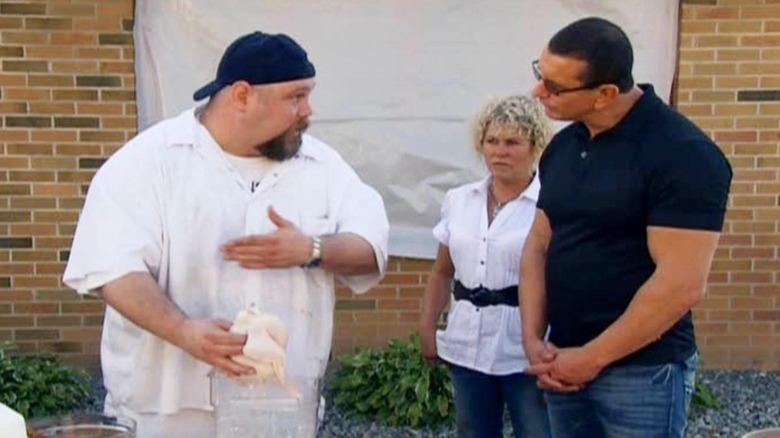
One of the best ways to run a successful business is to find your niche and get really good at it. For McShane's in East Syracuse, New York, that niche was a signature fried, unbreaded, peppery chicken recipe. And in a surprising twist, when Robert Irvine visited the restaurant for season two of "Restaurant: Impossible," he was actually pretty taken with the dish. What he wasn't taken with, however, was the dirty carpet, the strange smell, and a grimy kitchen full of health hazards.
When Irvine revamped McShane's, he kept the chicken on the menu, but added new dishes and changed up the interior (and cleans the kitchen, of course). And actually, it works. While some had their gripes, many Yelp reviewers were pretty impressed with their visit to McShane's after the show.
In 2013, though, Cindy Baker, the owner and creator of the famous chicken recipe, decided it was time to close McShane's. Instead, she took her signature dish to the road and launched a food truck called the Chicken Bandit. It's unclear if the food truck is still in operation, as its social media posts stopped in 2023. Still, that's 10 years of success — not bad for a member of the "Restaurant: Impossible" class of 2011.
Hoffman's Bistro
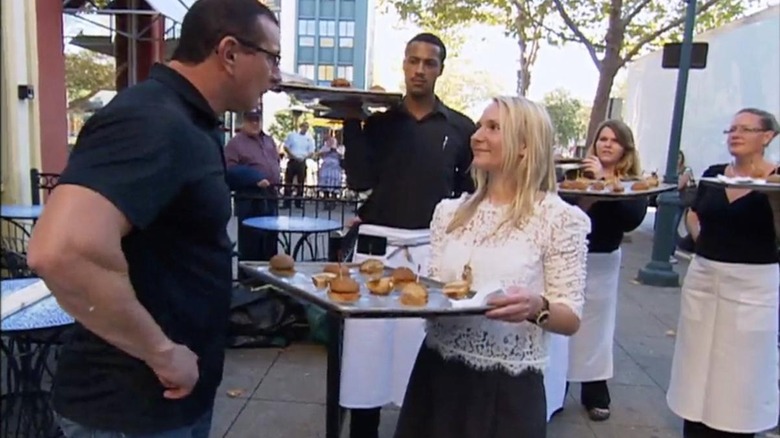
During season two of "Restaurant: Impossible," Robert Irvine faced some pretty big challenges. But according to the celebrity chef, Hoffman's Bistro in Santa Cruz, California, was one of the hardest. This time, though, it wasn't because of health violations; it was because of dysfunctional owner-staff relationships and $2 million worth of debt. It didn't help that the mains were pretty flavorless, too. And while the baked goods were much better, they weren't selling well because people didn't associate the bistro with its bakery.
Irvine did his thing — revamping the menu, giving the interiors a big refresh, and supporting the staff to voice their opinions. And for a good few years after his visit, Hoffman's appeared to be back on top. Reviews were mixed, but customers had enough good experiences to keep the place going for around six years after "Restaurant: Impossible." In 2018, though, Hoffman's closed due to lease issues.