

This Easy Fertilizer DIY Makes Gardens Thrive (Goodbye Coffee Grounds And Miracle-Gro)
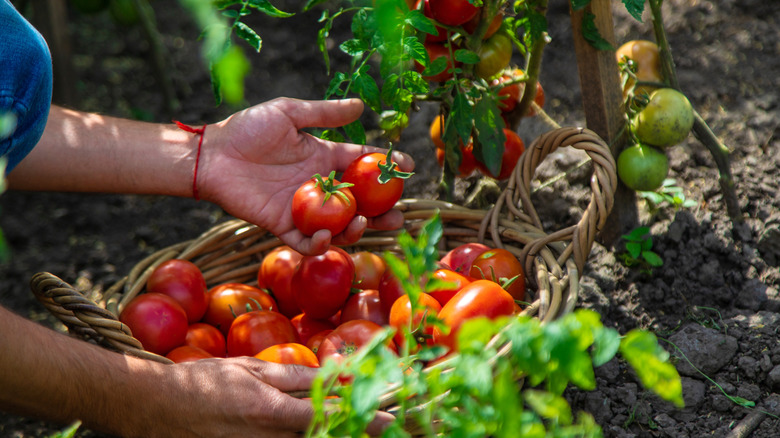
Having a garden shouldn't just be about keeping your plants alive, but seeing them thrive as well. This means that along with sunlight, watering, and weeding, you'll also need to consider fertilizer. There are plenty of natural options, if you want to avoid the use of chemicals — coffee grounds, banana peels, and even rice water can all provide benefits for plants. One solution you might not have considered, however, is a fish emulsion. This is a commercially-available liquid fertilizer, but it's also one that you can easily make at home for similarly powerful results at a fraction of the cost.
A fish emulsion contains all of the essential elements of a good plant fertilizer, such as nitrogen, phosphorus, and potassium, as well as minerals like calcium, sulfur, and magnesium that encourage plant growth. The protein in the fish also helps to support beneficial microbes for improved soil health.
As a liquid fertilizer, fish emulsion is also absorbed quickly into the soil and by plants. This is where it can have a benefit over fertilizing with banana peels or other kitchen scraps, which take time to break down into the soil. Other DIY solutions can also be too one-note. For example, not all plants love coffee grounds as they contain mainly nitrogen. Fish emulsions instead provide a more comprehensive range of minerals and nutrients, which can make them suitable for a wider selection of plants.
How to make a fish emulsion at home
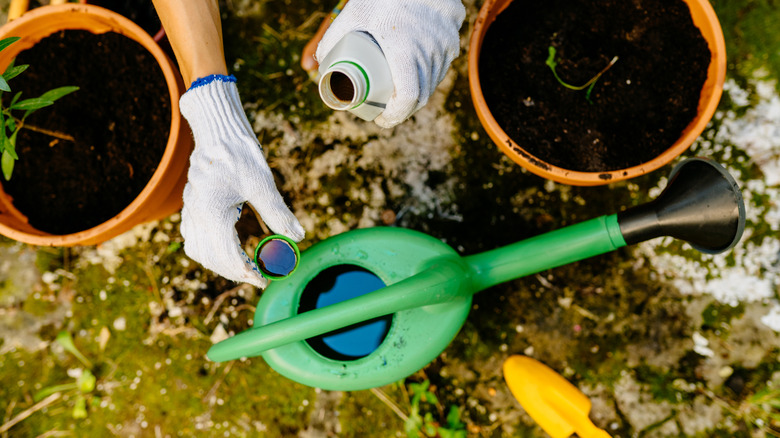
Store-bought fish emulsions are made from byproducts of the fishing industry, but you can make yours with whatever you have left over (bones, fins, or guts) from a fish dinner. If you don't eat whole fish, you should be able to buy fish scraps from a fishmonger, or in a pinch, use canned fish. You'll also need a five-gallon bucket, and if you don't want the smell to carry too far, you'll need one with a lid. In theory, you can make fish emulsion with just fish parts and water, but adding molasses will help with fermentation and add vital micronutrients to the mix. Adding a source of carbon such as leaves or sawdust will also improve aeration and help to reduce odors.
Aim for three parts fish and three parts sawdust to one part molasses, then use enough water just to cover the mix. Leave this to sit for two to four weeks, stirring every day. When the fermentation is complete it should smell more vinegary than fishy. After this time, you can strain it into bottles ready for use. Don't throw out any solid pieces left behind — you can use them to kickstart the fermentation of your next batch.
A fish emulsion is a strong fertilizer, so it needs to be diluted before adding to plants. Mix two tablespoons of the homemade mixture to every gallon of water and apply it every two to three weeks. If you think your plants still need a bit of a boost, fish emulsion is compatible with other natural fertilizers, so you can use it alongside your homemade compost.