

What Is Yum Yum Sauce And How Should You Cook With It?
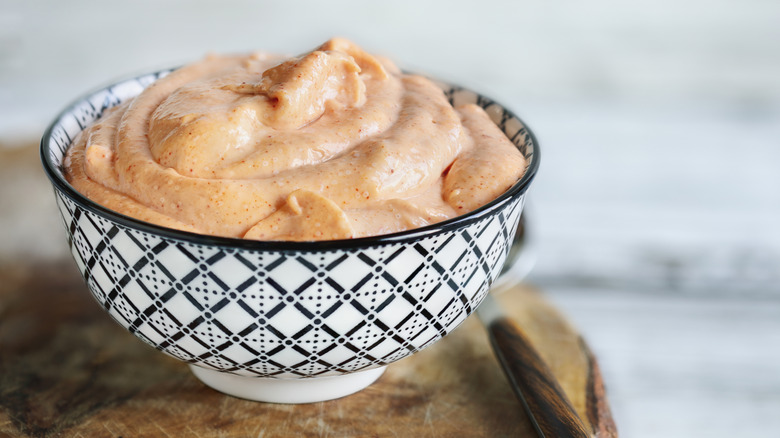
Yum yum sauce is a creamy, flavor-packed condiment that's most commonly associated with hibachi-style dining. With its peachy-pink hue and tangy-sweet taste, this Japanese-American staple is a favorite for drizzling, dunking, or slathering over grilled meats and veggies, and it has a knack for elevating just about anything it touches.
Despite its roots in hibachi cooking, yum yum sauce has found its way into home kitchens, fast food eateries, and grocery store shelves over the years, and its popularity is easy to understand. The sauce's balance of richness, mild spices, and sweetness makes it incredibly versatile, whether you're serving it on the side or incorporating it into the dish itself. Yum yum sauce is also wonderfully easy to make from scratch, so there's no excuse not to whip up a batch and experiment with it in your recipes.
If you're new to the wonders of yum yum sauce, or simply a curious fan, this guide will provide everything you need to know about this beloved condiment. We'll explore the many ways you can use it, as well as delve into how the sauce is made, and how to customize it and store it, so you can start making the most of this creamy, crowd-pleasing sauce in your own kitchen.
What is yum yum sauce?
If you've ever visited a Japanese steakhouse and watched a chef expertly flip sizzling shrimp high into the air, toss veggies across the grill, and show off their mesmerizing knife skills, you've probably also experienced the moreish taste of yum yum sauce. The creamy condiment is most commonly served alongside hibachi-style meals, to accompany grilled meats, seafood, fried rice, and vegetables. Its rich, tangy taste complements the smoky flavors of the grill brilliantly, adding indulgence to every bite without being too overpowering.
Despite its ties to Japanese-style cooking, yum yum sauce is actually an American invention, and was created with Western palates in mind. The rise of hibachi dining in the 1960s helped propel this irresistible sauce into the spotlight, and it's remained a hit ever since. You might also hear yum yum sauce referred to as white sauce or shrimp sauce, but the idea remains the same — a creamy, pale pink mixture designed to enhance grilled proteins and savory sides. Today, its applications extend far beyond hibachi. Many of us now have a bottle of yum yum sitting proudly in our fridges at home, ready to dress up everything from rice bowls, noodles, and sandwiches to fries and roasted veg.
How is it made?
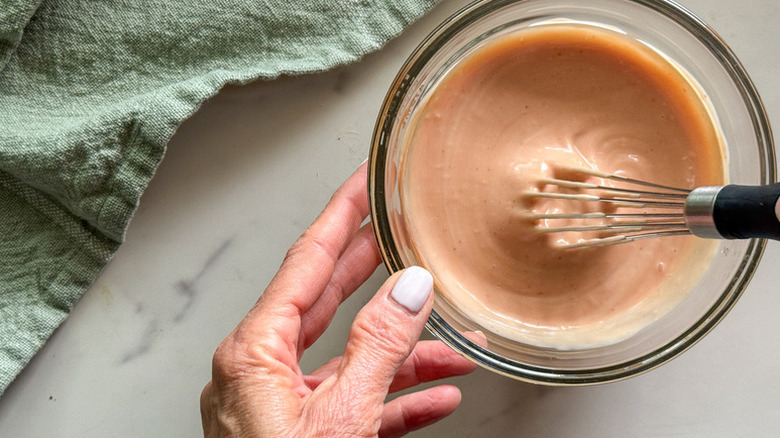
Making yum yum sauce from scratch requires just a handful of simple ingredients. Most recipes begin with a base of creamy mayo, which is enhanced with a medley of sweet, spicy, and tangy add-ins to create a well-rounded, flavor-rich sauce. The inclusion of ketchup or tomato paste typically gives the sauce its signature pinkish hue, and rice vinegar is another go-to. For heat, you can reach for a dash of liquid hot sauce such as sriracha or Tabasco, or sprinkle in dried spices like paprika or cayenne pepper.
There's room for customization here, too. Some recipes also amp up the savory depth by incorporating aromatic add-ins like garlic powder and onion powder. Stirring in melted butter can also give the sauce a thicker, ultra-luxurious consistency. Once you've mixed everything up, pop your homemade sauce in the fridge for an hour or so to let the flavors meld. Then, it's ready for spreading, dipping, and drizzling to your heart's content.
What does yum yum sauce taste like?
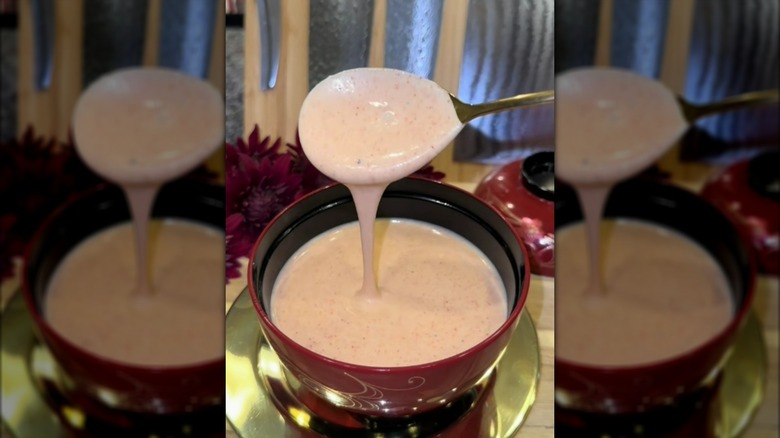
Yum yum sauce offers a mouth-watering blend of subtle, well-balanced, and totally irresistible flavors. There's generally a good dose of acidity from the vinegar, and sweetness from the sugar, with the ketchup or tomato paste providing a further dose of tang. These elements work together to tone down the heaviness of the mayonnaise base and give the sauce dimension. Spice is present, but not generally the most predominant note. Instead, there's a gentle warmth from the paprika or hot sauce that livens things up to just the right degree.
Of course, there's variation between different recipes and products. Some sauces will lean sweeter, spicier, or tangier. The consistency can vary too, with some versions boasting a thick, velvety texture, and others being more pourable. Whatever your preference, balance is key. Achieving brightness and richness in equal measure makes yum yum sauce so delightfully moreish.
How does it differ from other types of spicy mayo?
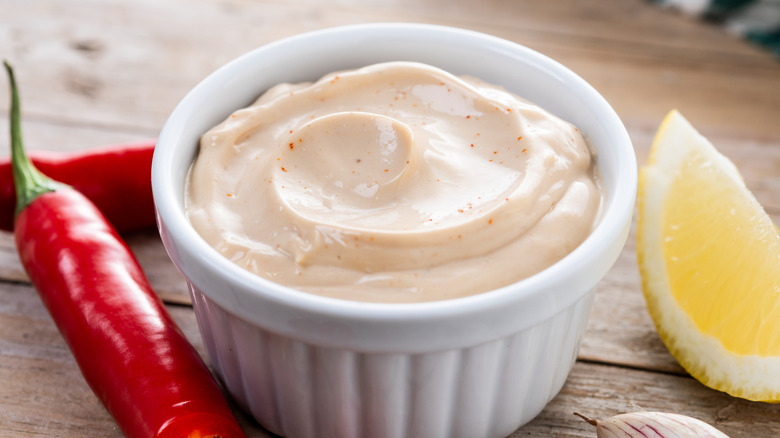
At first glance, yum yum sauce might not seem all that dissimilar from your average spicy mayo. Both share a creamy, mayo-based foundation and kick of heat, but there are some key differences to note. Traditional spicy mayo tends to be much simpler. Often, the mayonnaise is mixed with nothing more than a dollop of sriracha and squeeze of lime. Some versions lean into the smoky notes of chipotle peppers, or the sugary warmth of sweet chili sauce, but the overall flavor profile is fairly straightforward.
Yum yum sauce has a longer ingredient list and boasts a more layered flavor than spicy mayo. In addition to its creaminess and heat, yum yum sauce also offers tangy, sweet, and savory notes, thanks to the inclusion of ingredients like ketchup, vinegar, and sugar. These extra add-ins create a more rounded, complex taste that makes the sauce more distinctive.
Despite its versatility, yum yum sauce is also closely associated with hibachi, having been crafted specifically to complement the smoky, char-grilled flavors of meats, seafood, and vegetables. Spicy mayo, on the other hand, is seen as more of a generalist condiment. It's often served alongside sushi, but also found in sandwiches, tacos, and poke bowls alike.
How to cook with yum yum sauce
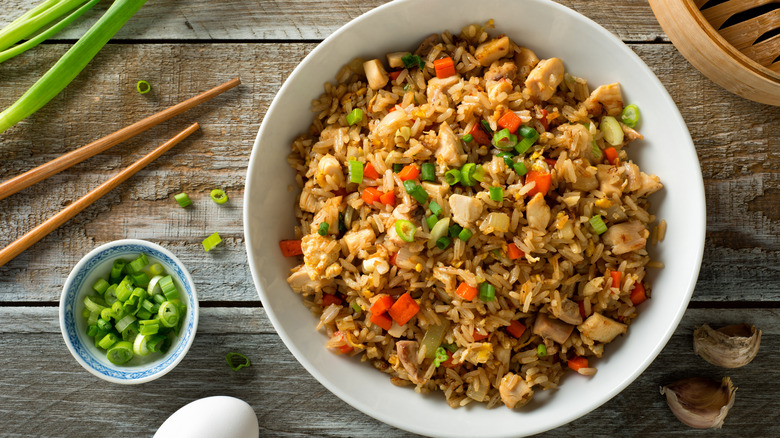
While yum yum sauce is often served on the side, it can also be incorporated into various dishes, where it adds a deliciously creamy boost. A classic way to use it is as a finishing touch for hibachi-style bowls and plates. Drizzle it generously over fried rice, noodles, or grilled meats, and you'll inject a welcome dose of richness. Yum yum sauce is also ideal for tossing with shredded chicken to create a flavorful sandwich filler, or even combining with cooled, cooked pasta and diced veggies to build a pasta salad with a sweet and tangy twist.
The sauce works beautifully as a marinade, too. Use it to coat chicken breasts before dipping them in breadcrumbs and baking or frying, and it'll help to keep the meat juicy as it crisps up on the outside. Cubed tofu can also benefit from a quick toss in the sauce before pan-frying, to create a tempting savory glaze. It can elevate breaded proteins post-cooking, too. Just toss the hot, crispy pieces of chicken, shrimp, or fish in the yum yum sauce, and they'll take on a whole new depth of flavor.
How to use yum yum sauce as a dip or spread
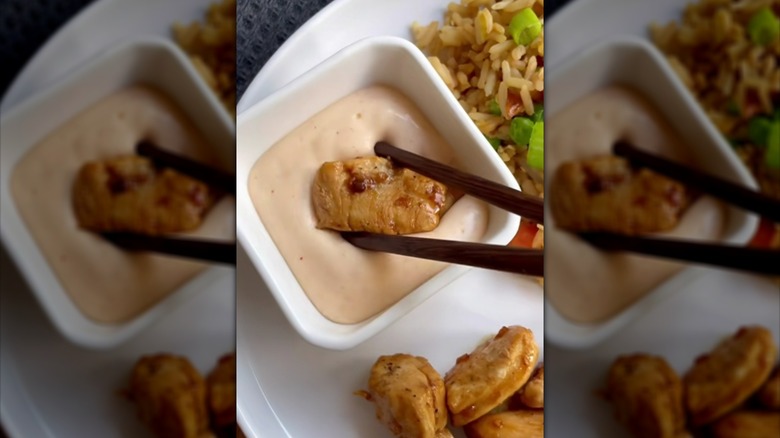
The luscious consistency of yum yum sauce makes it perfect for dipping or spreading, and that subtle, balanced flavor pairs effortlessly with everything from fresh veggies and grilled proteins to crunchy snacks. For a top-tier combo, serve the sauce with a portion of crispy French fries. This makes for a fun alternative to ketchup, providing an extra touch of indulgence and warmth. Another must-try duo is yum yum sauce and shrimp. Whether you've grilled, pan-fried, or breaded the seafood, it'll taste infinitely better after a quick dunk into the sweet and savory sauce, which complements the natural brininess of the shellfish especially well.
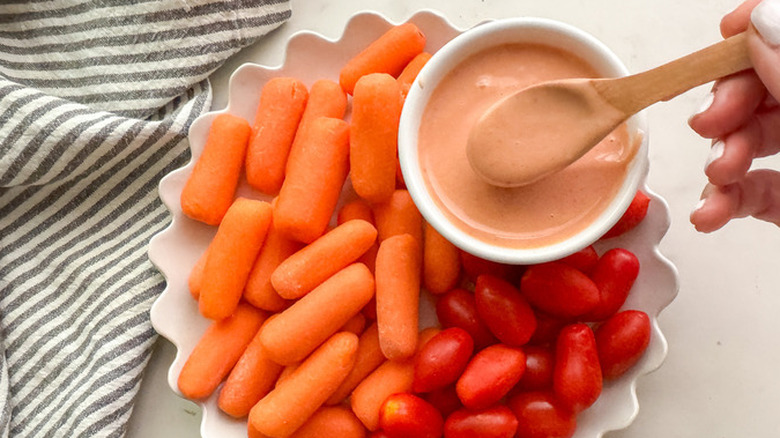
If you're a sushi fan, try switching out the usual side of sriracha mayo for yum yum sauce. This will bring more complexity to every bite, but still keep things subtle enough to let the delicate flavors of the rice and fish shine. You can also try building a vibrant veggie platter with baby carrots, sliced bell peppers, celery, and cucumber, then add a pot of yum yum sauce on the side as a creamy, crowd-pleasing dip that'll balance the refreshing crunch of the veg brilliantly.
To take a sandwich to the next level, just add a swipe of yum yum sauce to the bread or bun before adding your fillings of choice. It tastes incredible alongside the crispy, succulent meat in these decadent yum yum chicken sliders, but will also elevate a simple ham or turkey sandwich, grilled veggie wrap, or classic BLT.
Where can you buy premade versions?
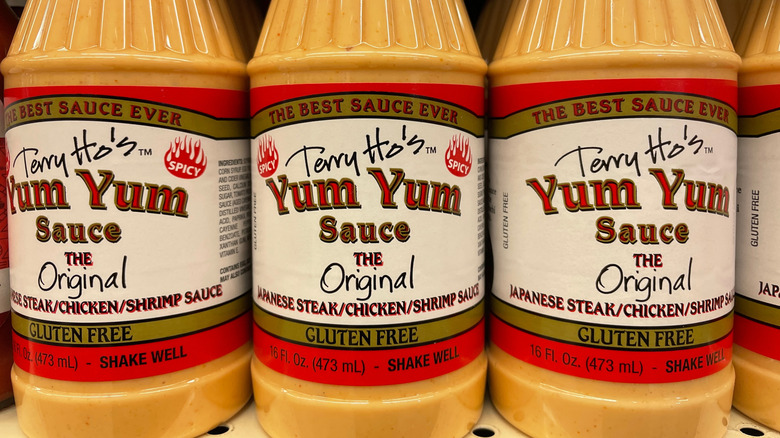
If you don't fancy whipping up your own batch, you can easily get your hands on a store-bought version of yum yum sauce. It may have started out as a hibachi restaurant staple, but now the beloved condiment is widely available in supermarkets, speciality food stores, and online retailers. Typically, you'll find it alongside other Asian-inspired sauces, such as teriyaki, sweet chili, and soy sauce, where it tends to come packaged in tall glass or plastic bottles.
One option that consistently receives glowing reviews from customers is the Terry Ho's Original Yum Yum Sauce, which can be purchased from Walmart, Target, and other major chains. This boasts a thick, creamy texture and provides just the right balance of sweetness and tang. It was first developed by Terry Ho for use in his famous hibachi restaurant chain — Hibachi Express. And, the condiment proved such a hit that he launched the retail version in 2012.
The Kroger yum yum sauce is another top pick, though this leans more on the savory side. Or, if you prefer your sauce with a fierier kick, give the chile-packed Kogi Boom Boom Sauce a try (also available at Walmart). Other, smaller independent retailers and Asian grocery stores will likely have their own versions too, each sauce offering its own distinct taste and consistency. So, it might be a case of sampling different brands to find a product that suits your specific taste preferences.
Can you customize the sauce?
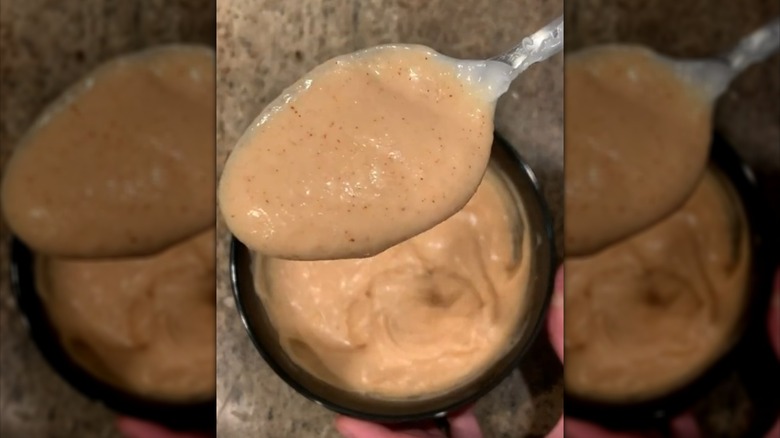
Yum yum sauce is super easy to tailor to your personal taste, especially if you're making it from scratch. The classic formula already strikes a great balance of creaminess, tanginess, and sweetness, but deviating from the tried-and-tested approach is no problem if you'd like to accentuate one of the flavor notes or alter the consistency.
Mayonnaise is the traditional base of yum yum sauce, but it's not the only option. If you don't have mayo to hand, or fancy creating a lighter version of the sauce, try swapping in Greek yogurt. This will give your mixture a tangy boost and thicker texture, yielding a sauce that's both lower in fat and higher in protein than typical versions. If you prefer a runnier sauce, a splash of heavy cream will do the trick, adding heaps of richness while thinning the mixture out slightly so it pours more easily over rice bowls and grilled meats.
You can also play around with the seasonings to give the sauce a fresh twist. Replacing regular paprika with smoked paprika will add a subtle depth that pairs seamlessly with char-grilled foods, while a pinch of mustard powder or ground ginger will bring extra warmth. Ingredients like mirin or dry sherry will also provide a slightly sweeter hit of acidity than the usual vinegar.
How to store yum yum sauce
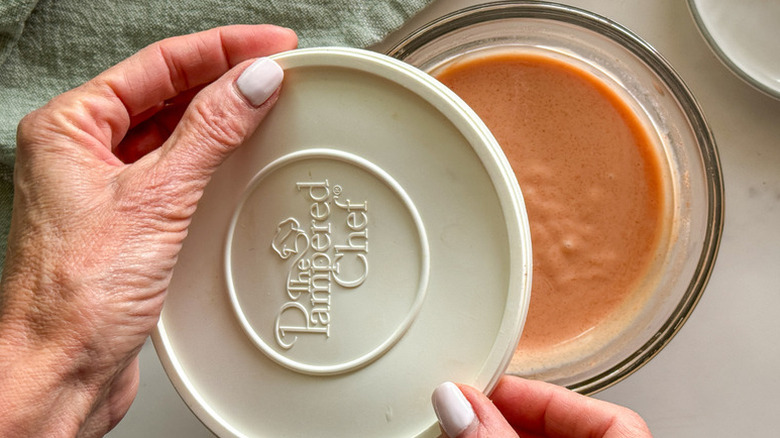
Once you've lovingly prepared a batch of yum yum sauce, you may well have some leftovers. Thankfully, these needn't go to waste. The sauce will keep well for up to seven days when stored correctly, so you can use it to jazz up your meals all week long.
Because yum yum sauce generally has a mayonnaise base, it should always be kept refrigerated. The best way to store it is sealed inside an airtight container, such as a lidded glass jar or plastic box. This will help to preserve the sauce's creamy consistency by preventing moisture loss, while reducing the likelihood of bacterial growth, and ensuring the sauce doesn't absorb any unwanted odors from other foods in the fridge.
Store-bought sauces tend to last much longer, thanks to the addition of preservatives. But once they've been opened, they'll still require refrigeration, and will need to be used within the time frame stated on the bottle. So, make sure to refer to your specific product for guidance.