

The Ideal Time For Spring Garden Cleanup Might Be Later Than You Think
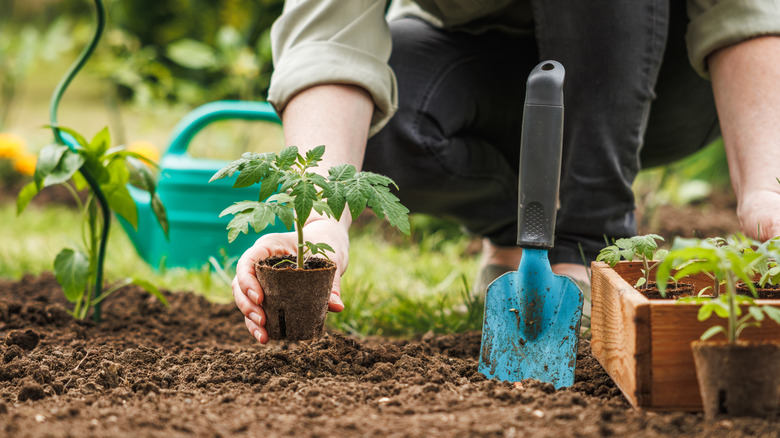
When you get that first hint of spring air, it's only natural to want to shake off the stale feeling of winter and get your house and garden freshened up for the year ahead. While it's an excellent reason to air your bedding and declutter the pantry, it's not necessarily a good time to start cleaning as far as your garden is concerned. That cleanup should begin when spring starts, which is when daytime temperatures are consistently around 50 degrees Fahrenheit for a week or two. Depending on where you live, this could be well into April. Getting into heavy clearing while the temperatures are still too low can be a costly gardening mistake.
Pollinators and other beneficial insects often use dead plant stems or leaf litter for their hibernation. By cleaning the garden before they've woken up naturally, you disrupt the life cycle, killing off your natural pest control and even a vital part of the food chain. While they might look untidy to you, fallen winter leaves are needed by the plants themselves. In addition to breaking down and providing nutrients, this layer of debris helps to insulate the ground, protecting delicate new roots and shoots from the cold.
Also, the ground can be still frozen or waterlogged after winter, and digging into it before it has the chance to thaw or drain can result in compacted pockets of soil. This will affect how well your lawn absorbs nutrients and can lead to uneven growth.
Scheduling your garden spring clean
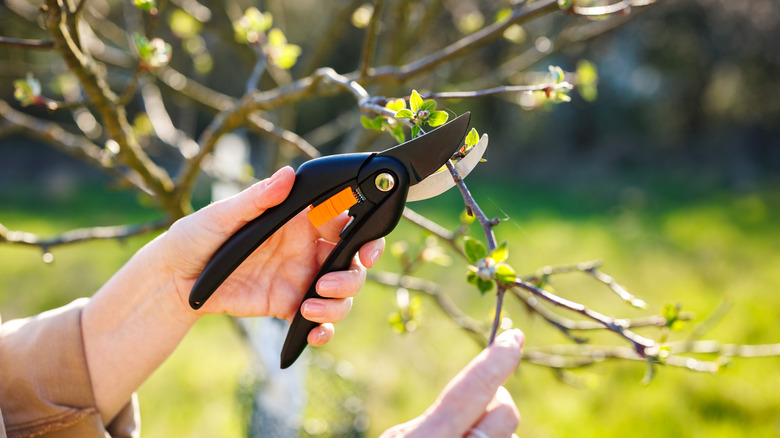
This in no way means that you need to twiddle your thumbs until the warmer weather arrives. There's still plenty you can start on around the garden. Now is the time to work on cleaning and repairing sheds, paths, ponds, or bird feeders and removing any branches that fell during winter. You can also sharpen and clean your gardening tools ahead of the heavier yard work to come.
Once you are getting consistently warm temperatures, it's still best to stagger the cleanup to avoid sending insects and plants into shock. Start with the areas that get the most sun, as it's more likely your friendly wildlife will have already woken here. When raking or cutting back dead growth, temporarily move the debris to another part of the garden rather than getting rid of it immediately. This will allow even the sleepiest insects to escape safely.
Aerating the lawn can be started once the ground has thawed, but fertilizing should only be done after you see obvious signs of growth. Adding fertilizer while the grass is still dormant can damage both the plant and the ecosystem.