

Why You Should Never Ask A Butcher To Trim All The Fat
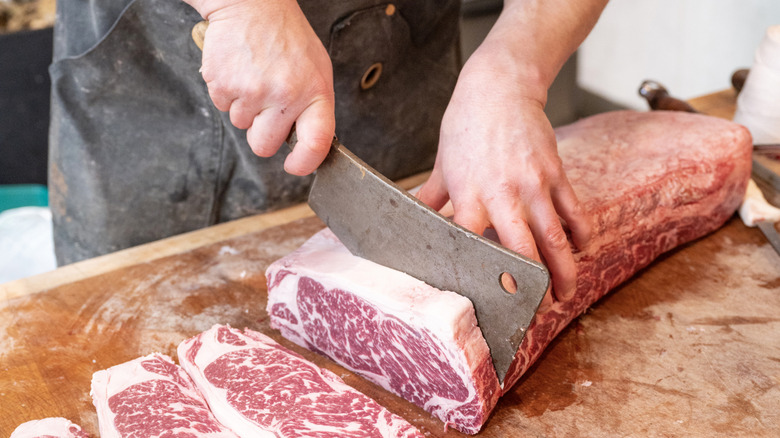
Whether you're watching the waistline, or have an aversion to gristle, you might be tempted to ask your butcher to drag your meat back to the chopping block and return with the leanest cut possible. While this seems like a wise move, the final product likely misses out on the positive effects that fat lends to the cooking process.
The butcher has already trimmed any fat that doesn't improve the meat, leaving just enough to make the end result more succulent and flavorsome. Think of your butcher as an editor. If you can see the fat, it's because it's supposed to be there. As the butcher team from Plum Market told Tasting Table, "Fat isn't just extra weight, it's the insulation that keeps your meat succulent. Trimming it into lean-only territory often results in a dry, disappointing meal." After all, what would a beautiful slice of pork belly be without that glorious strip of fat?
Keeping meat juicy is the first vital function that fat plays in making your meat the best it can be, whether that's a steak, a roast, or a rack o' ribs. "Our butchers leave just enough of the fat cap to render down during the cook, naturally basting the meat from the outside in," the Plum Market butchers explained. We've seen Michelin star chefs frantically spooning melted butter over a sizzling steak to baste it, but at home a cut with the right amount of fat effectively bastes itself while it cooks.
There's a reason that fat's still there
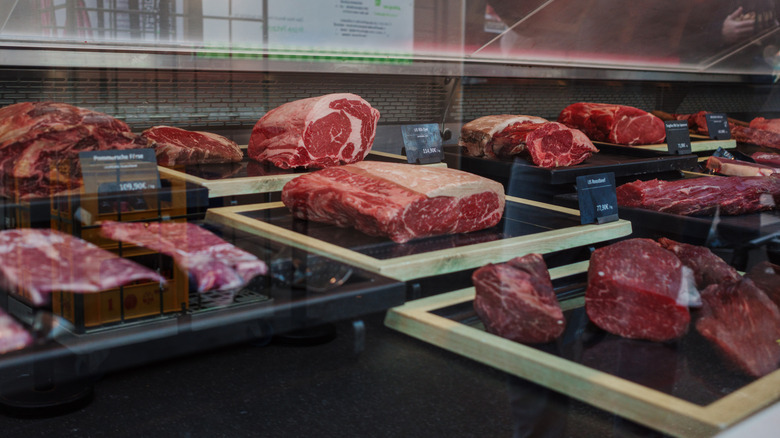
Another reason to lean on the expertise of your butcher is that different types of fat enrich meat in different ways as it renders. What might be an initially unattractive fat cap will enhance the beefiness of your cut, and intensify the flavours already there. And the beautiful marbling that runs through a fine piece of Wagyu lends buttery notes as it renders out.
Other meats like lamb also rely on fat for flavor, getting much of their particular taste from compounds within the fat. Taking all that fat away can mean leaving flavor right there on the cutting board. Some cuts are chosen specifically for their fat, such as picanha, brisket, strip loin, or pork shoulder. Removing every ounce of fat from cuts like these is like pulling the best pages from a book. Even turning our attention to poultry, the fat you leave on chicken improves not only the taste and texture of the meat itself, but also renders into liquid form as a flavor-packed jus you can use as in gravy, whipped chicken butter, or simply to drizzle back over the meat.
Fat isn't just about flavor or juiciness
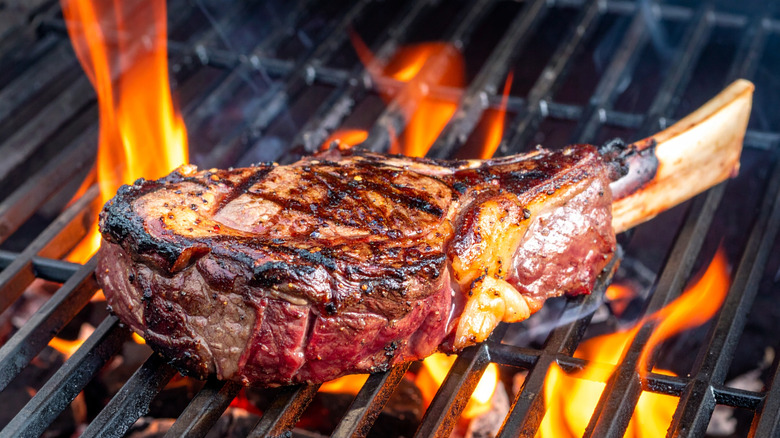
Fat also serves several important functions in the physics of cooking. As fat renders, it effectively becomes a cooking medium, conducting heat at high temperatures and helping meat to cook evenly. In other words, the oil or butter you use in the pan to fry just about anything serves this same purpose, so having it in and on the meat helps with cooking consistency. This in turn supports the Maillard reaction, in which sugars and amino acids undergo a chemical reaction to produce the flavors we associate with grilling, roasting, or frying meat as it browns or chars. That's basically what makes the beautiful crust on a flame-grilled steak taste the way it does.
Importantly, the extra moisture, flavor and chemical processes that fat contribute to the meat widen a home cook's margin for error. So if you simply must trim the fat, the best approach is to do so after the cooking is done. That way, if lean is what you want, you can have your steak and eat it too.