

I Grew Up Loving My Family's Beet Horseradish At Passover — This Year I'm Turning Up The Heat

For the first time ever this year, I am hosting my family's ceremonial Passover seder meal. Between planning an elaborate feast, preparing my personal retelling of the Passover story, and making sure there's plenty of wine, song, and celebration around the table, I've also saddled myself with the admittedly ambitious goal of making homemade gefilte fish from scratch. Most importantly, though, I am intent on trying to meet –- if not, exceed –- the potency of my late mother and grandmother's recipes for the traditional beet horseradish that accompanies the fish.
Called chrain (in Yiddish) or maror (in Hebrew), this bitter herb symbolizes the bitterness of slavery and is an integral part of any Passover table both for its symbolism and sinus-clearing properties. In my family, this was typically made using horseradish root ground fresh at a local farmer's market and colored with cooked beets and beet juice, accounting for its vibrant appearance and pungent taste. In my experience, if the first bite elicits a spirited "woo!" from the eater, then it's made correctly.
This year, I'm trying a twist on tradition by including some freshly microplaned wasabi root in the mix and grinding the fresh horseradish root myself. Additionally, I'm changing up my choice of fish for traditional gefilte fish based on what is most sustainable from my local markets. Gefilte fish can be something of a polarizing dish, but, when done right, can bring back warm memories of family dinners gone by.
A sinus-clearing spin on tradition
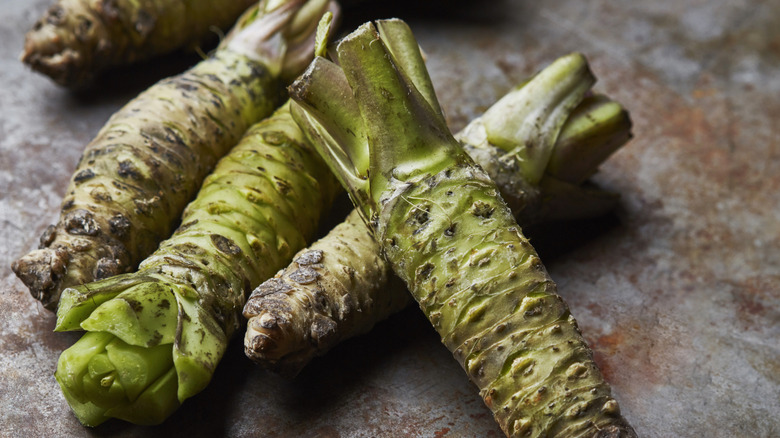
In the past, I'd be tasked with picking a horseradish root from the farmer's market and having the seller grind it fresh. I'd add this to a sealable container with a generous squirt of lemon juice to help preserve the potency, and run it back home to be mixed with just-cooked beets. This year, I decided to cut out the middle person and grind the horseradish root myself and microplane the wasabi root for more variance in taste and texture. One important note about grinding any sort of pungent root is to exercise caution by wearing eye protection such as goggles.
To streamline the process, I opted for store-bought, pre-cooked sliced beets, adding only a minimal amount for color and to balance out the pungent taste. To ensure you're getting the ideal ratio of sweet to heat, always taste test as you work until it suits your preferences. Remember the "woo!" reaction is what you're looking for.
I recommend using sealable mason jars and storing the horseradish in the fridge to keep it fresh for no more than a couple weeks. You should be able to tell just by the smell upon first opening the jar that it packs a punch. Bold horseradish is wonderful when paired to gefilte fish or mixed with sweet charoset in between two pieces of matzo for a Hillel sandwich, another food that makes up a traditional seder meal. The best Passover memories come from good food and good company.