

How Grocery Outlet's Food Gets Onto Its Shelves

People often wonder how discount food retailers like Aldi get their prices so low, and fans of Grocery Outlet know its prices are often even more bafflingly cheap. The California-based retailer is one of the up-and-coming names in grocery stores, growing on a reputation for big-time discounts that are often 20% cheaper than even other budget supermarkets. And unlike Costco or Aldi, the store is neither a massive warehouse, nor a place that relies primarily on a store brand. Instead Grocery Outlet relies on a unique sourcing model that is closer to clothing retailers like Nordstrom Rack and Marshalls.
It's really right there in the name: Grocery Outlet is an outlet store for food. The chain originated in the 1940s by selling food it bought for a discount from the military, and it has grown that model to buying excess merchandise from other retailers. This is called an "opportunistic" buying model, where the items Grocery Outlet carries are always inconsistent, and are only acquired when they can be bought for pennies on the dollar. The company employs buyers who travel the country looking for those opportunities where other chains or suppliers are facing inventory issues. This can be something as simple as companies that overbought a product, and seasonal products that are out of date, but it can also mean leftover products that still have old packaging after a rebranding, or items that are closer to their sell-by dates. Other retailers would rather sell to Grocery Outlet, even at a massive discount, than simply let the products go to waste.
Grocery Outlet buys out-of-date and overstocked items at steep discounts from other retailers
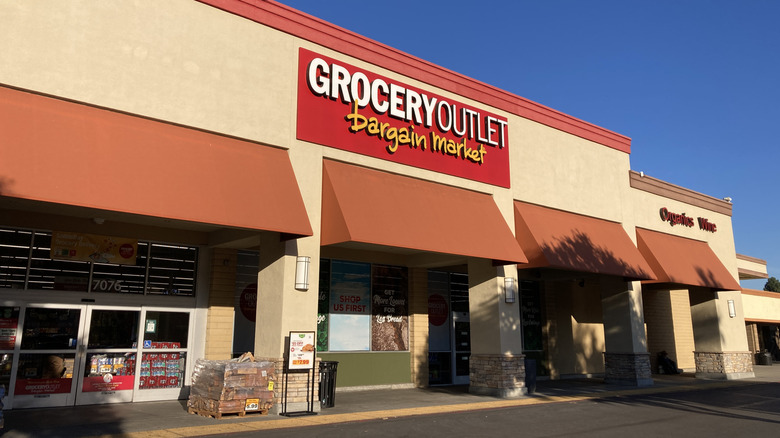
That opportunistic sourcing is why Grocery Outlet can carry name-brand products and still be so cheap. They may not have every flavor of Ocean Spray juice in stock all the time, but if Kroger has too much cranberry juice, you'll be getting it at Grocery Outlet for 50% off or more.
Grocery Outlet has even leaned into that lack of reliability in sourcing by emphasizing the "treasure hunt" aspect of shopping there. You won't always find what you want, but when you do see something you like, the price will make you feel like you struck gold. You'll also find unusual flavors and less-common items that never made it to shelves, or that only ran for very limited times, adding to the sense of discovery. Emphasizing that culture also creates a specific kind of loyalty, keeping people coming back in the perpetual hope for great deals and new finds.
While it's less responsible for the low prices than the sourcing, Grocery Outlet also operates under a unique local-ownership model, almost like a franchise. This means owners are often members of the local community, and they have the leeway to customize what products are offered at the store to better match local tastes. That means less waste selling products nobody wanted, and that can mean lower prices as well. It may not be a shopping experience that will appeal to everybody, but Grocery Outlet fills a much-needed niche in an era of ever-rising spending on groceries, and it's become one of the country's fastest growing retailers because of it.