

How To Outwit The Grocery Store 'Decoy Effect' That Causes You To Overspend
Do you ever walk out of a supermarket staring at a receipt totaling considerably more than you planned on spending? Welcome to the club, as just about everyone knows that feeling. But perhaps not everyone knows the reason why that can happen, despite a carefully planned list and determination to stay on budget. One retail practice called the "decoy effect" takes the cake for customer trickery, and there's a good chance you've fallen under its spell more than once.
Despite being aware of this tactic, I find myself constantly fighting the impulse to snag the product involved. Basically, the decoy effect is a marketing strategy that artfully manipulates how a customer perceives the value of an item they want to buy. When used well, the subtle psychological tactic nudges shoppers toward high-priced items, making a more expensive option look like the smartest choice — even when your original intent was to spend less. There are specific things you can do outwit the decoy effect, though, as long as you understand what's going on.
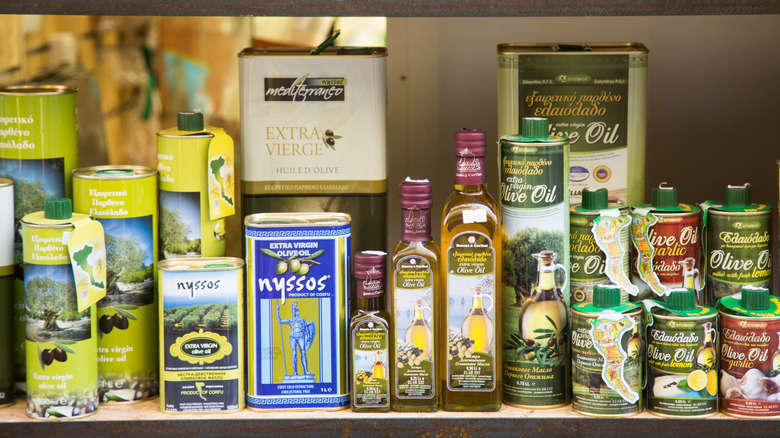
To get an idea of how it works in a real grocery store, imagine a display of olive oil bottles offering three buying options: a 16-ounce store-brand olive oil for $8; a 20-ounce premium olive oil for $12; and an 18-ounce specialty olive oil for $11.50. The third bottle acts as the decoy. It's only slightly cheaper than the premium bottle, but offers less oil and no obvious advantage. When shoppers compare the two, the $12 premium bottle suddenly looks like a much better value for just 50 cents more. But without the decoy, you may have easily gone for the $8 bottle, sticking to your budget and avoiding buying more than necessary.
Outwitting the tricky decoy effect
Intriguing as all that finagling sounds, the decoy effect is essentially just a mind trick that works way more often than you might imagine. But shoppers can definitely avoid this psychological trap. To extricate yourself from that net spread by retailers, it first takes conscious awareness of when it's pulling you in.
The decoy effect, a clever trick that's also used by fast food chains, is most noticeable when it comes to supermarket products like olive oil, as well as loads of other grocery items, from coffee bag sizes to yogurt multipacks, and frozen pizza to family-size snack packages. One of the best ways to keep from falling prey to this tactic, and consequently overbuying, is to consciously determine ahead of time what you actually need. When walking through those supermarket doors knowing you want a specific quantity, such as a 6-pack of yogurt, you'll be less likely to walk out with a 12-pack just because it was cleverly arranged and presented as a better value.
Another strategy to save money when grocery shopping is look at the "unit price,"which is an often overlooked grocery pricing detail. It's typically displayed clearly on the pricing labels placed in front of the different-sized items. You'll be able to clearly compare the values expressed in ounces, pounds, or liters. Maybe the larger size isn't that great of a deal after all, and will you actually eat a giant-size bag of chips before they go stale? It also helps to ask yourself: Would I still buy this if the other comparable option, the so-called decoy, wasn't staring me in the face? By mentally removing the extra option and focusing only on needs, budget, and personal decision-making savvy, you win the grocery game — one trip at a time.