

8 Mistakes Everyone Makes Cooking With Cumin
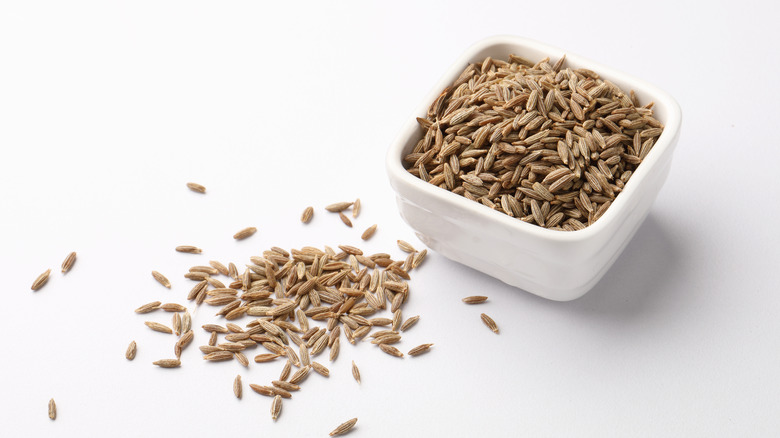
Stocking and organizing your spice rack is an important part of building up a good pantry — and an important part of making sure your food tastes as good as it can. After all, your base ingredients can only impart so much flavor into your dish. Sometimes, you have to let seasonings take the reins and transform a basic dish into one that you'll want to get seconds (and thirds) of. And one of the most flavorful seasonings you should have in your spice cabinet is cumin.
Cumin's rich, nutty, and earthy flavor makes it a delicious addition to so many different dishes. All it takes is a sprinkle to imbue meats, soups and stews, roasted vegetables, and more with an incredible amount of flavor. But if you're new to cooking with cumin, there's a good chance that you're making some mistakes with the ingredient.
That's why we spoke to three different cumin experts to get a better sense of how to avoid the most common mistakes: Jim Carroll, owner of Meat & Greet BBQ Catering; Claudia Syanny, recipe developer and food blogger at Butter Joy Kitchen; and Sapana Chandra, founder and author of Real + Vibrant. Each of these experts outlined common cumin mistakes, so you can ensure your next cumin dish tastes as good as it possibly can. Once you learn how to master this spice, you'll want to use it in everything.
Assuming ground cumin and powdered cumin can be used interchangeably
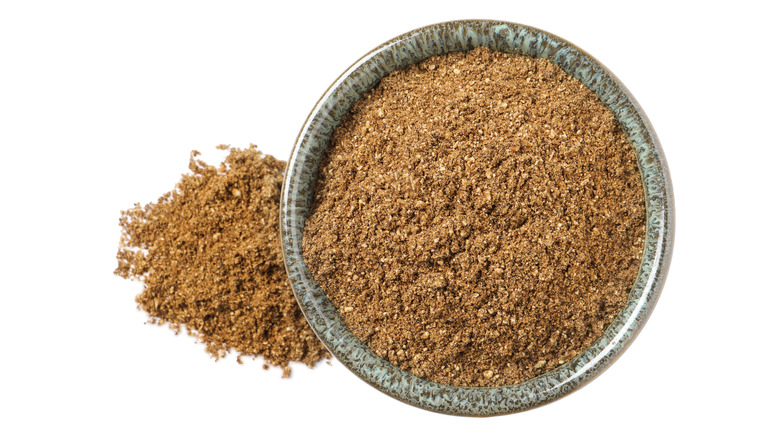
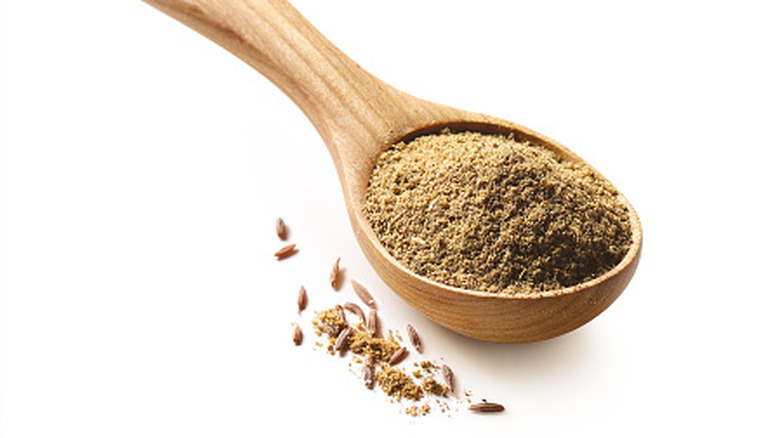
Go to the spice section of your local grocery store, and you'll probably notice that you can buy cumin in more than one format. There's powdered cumin, and then there are whole cumin seeds. You may assume that they're basically the same thing — after all, they should have the same flavor, right? But these different forms of the same ingredient should be treated differently in recipes.
Whole cumin seeds are generally roasted and ground up before being added to recipes, while powdered cumin is more finely ground and often goes unroasted. Ground cumin is quite bold and citrusy, and powdered cumin is known for its milder flavor profile. Consequently, there are some dishes in which ground cumin (as in made from whole cumin seeds) is probably a better option. Garam masala is one of them, as are some Mexican and Middle Eastern dishes.
Then again, unless you're making a recipe that calls for cumin seeds specifically, you might want to stick to the powdered stuff. It can be quite versatile, playing a role in everything from soups to baked goods to roasted vegetables. Plus, you don't have to go through the process of preparing the ingredient before incorporating it into a recipe. Just make sure you pay attention to which variety you're buying at the store.
Using too much of it
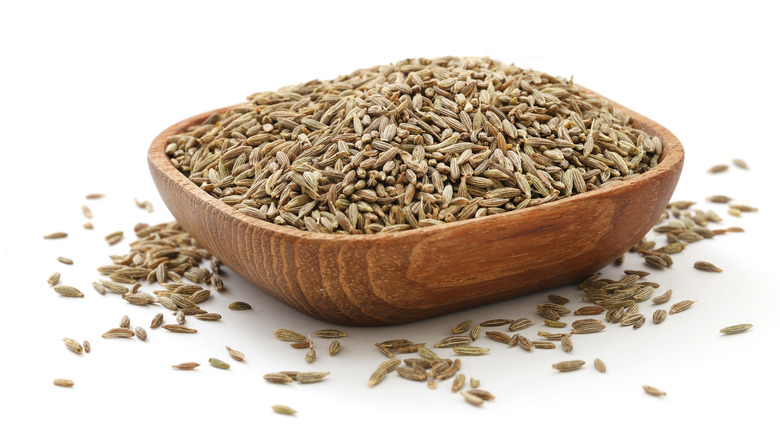
One of the most common mistakes you can make with cumin is a really simple one: using too much of it. Cumin has a pretty strong flavor to it, so it's quite easy to shake a bit too much into a recipe and end up with such a strong cumin flavor that you can't really taste anything else. This is why Jim Carroll urges home cooks not to go too overboard with the ingredient.
"Cumin is bold and dominant," explains Carroll. "Heavy application can flatten everything else in the dish — particularly in rubs or chili. It should support the flavor profile, not dominate. Start light, taste, then build incrementally."
If you're following a recipe, make sure you stick with the recommended amount of cumin. If you're not using a recipe, then tasting as you go is the best strategy to get a balanced flavor profile in your finished dish.
Burning your cumin
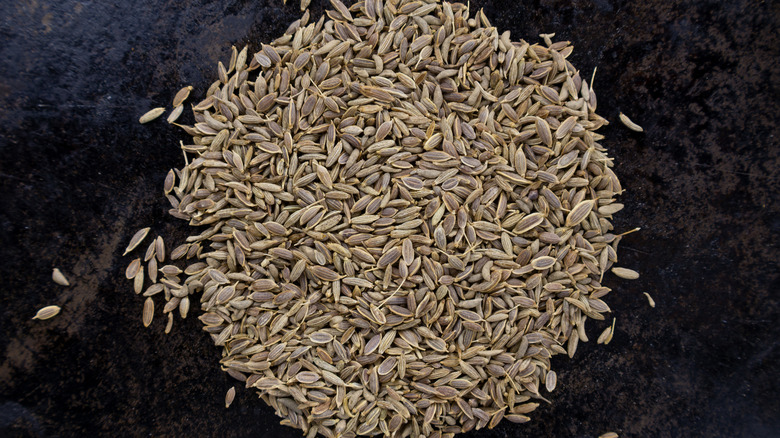
When a lot of home cooks are building flavor in a dish, they kind of just dump in spices as they go. They assume it all gets mixed up in the end, so it doesn't really matter when or how they add those spices to the dish. However, doing so can have negative consequences, especially when it comes to bold and finicky spices like cumin. Therefore, Claudia Syanny says that burning your cumin is a big mistake.
"Ground cumin can turn bitter if exposed to high heat for too long," Syanny explains. "When blooming spices in oil, it only needs a brief moment, just until aromatic — before adding other ingredients. Overcooking it creates harsh, bitter notes." Adding the cumin to oil to allow it to bloom is an important step in some recipes, as the hot oil helps release flavor compounds that you won't pick up on otherwise. But once you do, don't wait around too long, or you'll be left with a harsh, acrid flavor instead of the earthy notes you were going for.
Not toasting whole cumin seeds
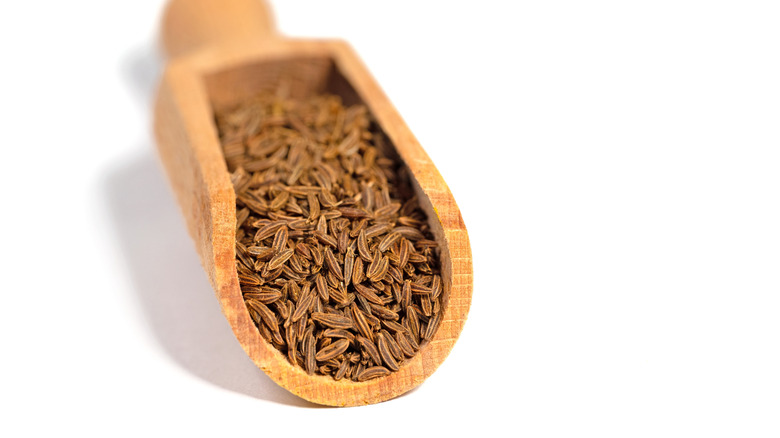
For those who really love the flavor of cumin, working with whole cumin seeds instead of powdered cumin can be a great way to infuse the flavor of this spice into various dishes. First of all, cumin seeds can often taste fresher than their powdered counterparts, and secondly, some find that the seeds have a brighter, more pronounced citrusy quality as opposed to powdered cumin. And you may even be following a recipe that calls for actual cumin seeds in place of the powder. If you are choosing to use this form of the ingredient, though, you'll want to avoid one major mistake: not tasting the seeds.
"Using whole seeds without toasting first sacrifices flavor," explains Jim Carroll. "Quick dry toast in a hot pan activates essential oils and produces richer, nuttier aroma. Raw cumin can taste dull or slightly grassy comparatively." Of course, it's not always the end of the world if you skip this step, but it's a simple and easy way to elevate your favorite cumin-based dishes, so give it a try the next time you work with the whole seeds.
Forgetting to add any acidity to a cumin-heavy dish
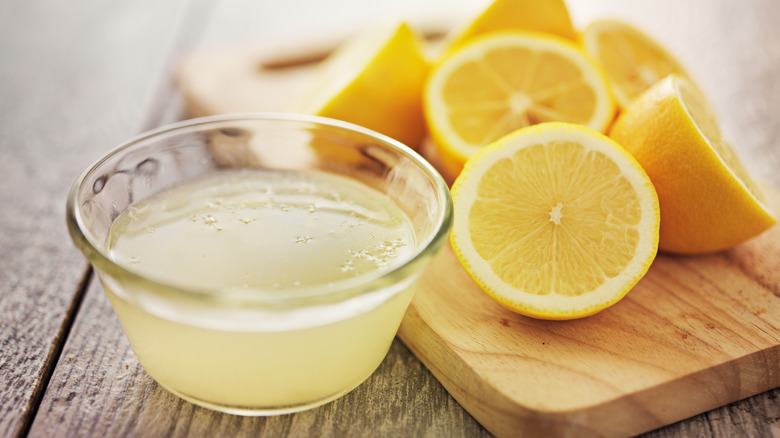
Have you ever made a dish with cumin and found that it came out tasting too intense and heavy, with an almost overpowering earthiness to it? We've been there before, and that distinct, heavy-handed flavor can turn you off of cumin altogether. But if you've come across this problem in your own cooking before, there's a good chance that you committed one of the cardinal cumin sins, which is not balancing all that cumin with some bold, fresh acidity.
Claudia Syanny says that this is a mistake that home cooks often make with cumin. "Cumin-heavy dishes benefit from brightness," she says. "Ingredients like lime juice, vinegar, yogurt, or tomatoes help lift its earthy depth and prevent flavors from feeling heavy." This is because cumin can often taste bitter, especially when it's used in large quantities. Acid helps to neutralize bitterness, making it the perfect counterpart to especially cumin-heavy dishes. By adding four parts acid to one part cumin will ensure a much more balanced — and ultimately delicious — dish.
Storing your cumin improperly
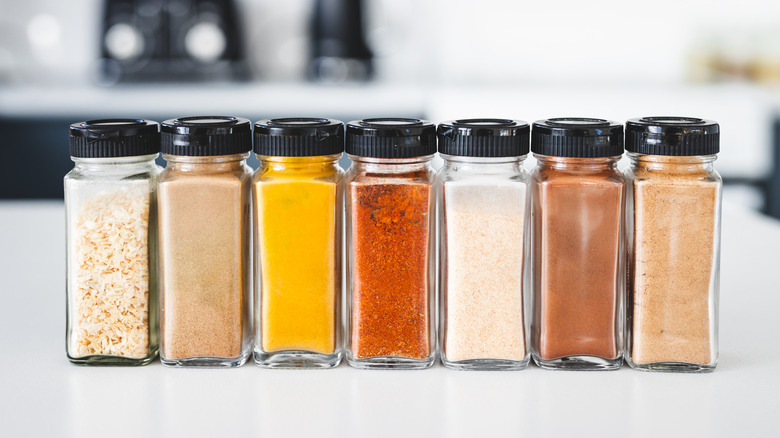
There are plenty of mistakes you can make when you're working with cumin in your cooking. Yet even if you make every dish that calls for cumin perfectly, you can still fall victim to another common mistake: not storing your cumin properly.
If you don't store the spice the right way, it can go stale quicker than it should, leaving you with a whole bottle of spice that you won't really be able to use in dishes anyway. Luckily, it's pretty easy to store cumin correctly. You'll just want to follow the same storage rules as you do for most of the other spices you use in your kitchen.
Generally, it's best to keep spices stored in a cool, dry place — away from heat or moisture. Although you can technically store whole cumin seeds on the countertop, we recommend putting powdered cumin specifically in the pantry or a spice cabinet to keep it away from the elements. If you have whole cumin seeds on hand, they should be good for about a year to three years after purchase (providing that they're fresh when you buy them). Powdered cumin, on the other hand, should be used quicker, since it starts to lose its freshness at around the six-month mark.
Adding cumin to your dish right before serving it
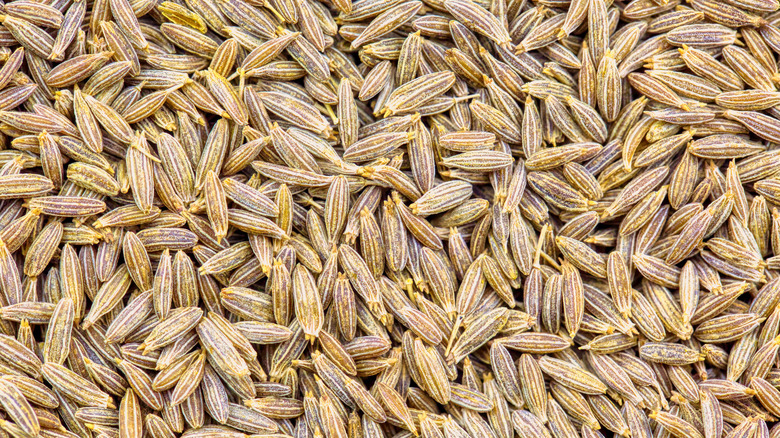
Knowing how much of a certain ingredient to add to a dish is important, of course. But just as important is the timing of when that ingredient is added to the mix. For example, some ingredients, like herbs, should be added at the end of cooking, so they don't overcook and you can still taste their fresher qualities. Other ingredients need to be added earlier in the cook time — which is especially important when it comes to cumin.
That's according to Jim Carroll, who says cumin shouldn't be added to most dishes right before you're ready to serve them. "Cumin benefits from integration time," Carroll said. "Adding immediately before serving produces [a] raw, sharp taste." Therefore, make sure you pay close attention to the recipe you're following to determine when to add the cumin to the dish. Carroll suggests giving plenty of time for certain dishes to cook with cumin, specifically noting its importance "for stews, chili, marinades, and rubs."
Using stale cumin
The last thing you want to do is cook an incredible meal with fresh, delicious ingredients ... only to ruin it with stale spices. Unfortunately, this can happen if you aren't meticulous about the spices you keep stocked in your kitchen. That's why Sapana Chandra told us it's a mistake to use cumin past its expiration date.
Now, generally speaking, cumin lasts about six months from when you open the container. However, you should look closely at the expiration date on the specific bottle you buy. It may expire sooner if it was sitting around the store for a long time; conversely, it could potentially last longer, particularly if you're using whole cumin seeds instead of cumin powder.
What will happen if you use stale cumin? Well, it's not unlikely to make you sick or anything. Rather, the cumin flavor simply won't taste as strong as it can be, possibly leading to a dish that's lacking in flavor in general.