

Food Safety Changes You Can Expect In 2026
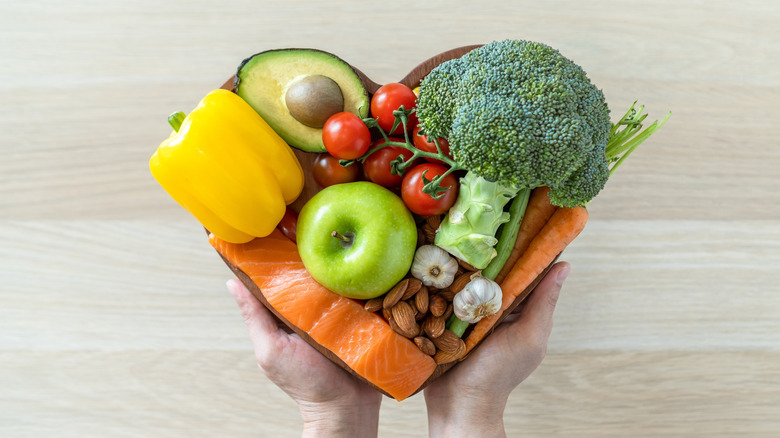
The gap between intent and execution can often be wide, but it does seem like 2026 could be a massive year when it comes to food safety standards in America. From artificial colouring to additives that help prolong the shelf life of foods, the approach adopted by the U.S. to harmful ingredients has generally been more relaxed than that in many parts of the world. This is the main reason why there's a whole range of popular American products that are banned in Europe.
Going into 2026, however, there seems to be a serious attempt to crack down on the most harmful of these. "In 2026, the Food and Drug Administration (FDA) intends to make significant strides to protect and promote the health and well-being of all Americans," a press note on the FDA website about the Human Food Program states. The Human Food Program is a critical part of the federal government's "Make America Healthy Again" campaign. "For the first time, there is a dramatic and determined focus across the Federal government to recognize the importance of food and nutrition in improving the health of all Americans," the note states.
The priorities include fresh labeling guidelines, including what "Generally Recognized as Safe" means, state authorities being pulled in for routine food safety systems inspections, and a big crackdown on the additives and chemicals that make it into your food. Here are five food safety changes you can expect in 2026.
Sharp reduction in petroleum-based artificial colors
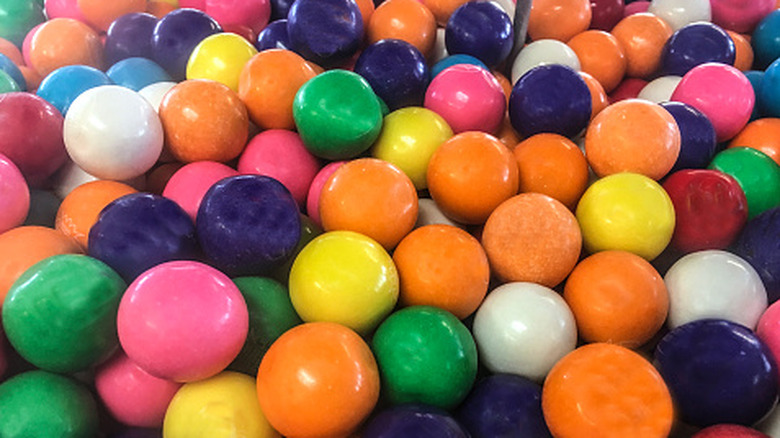
If you're the kind of person who looks closely at the ingredients list on candies, you're probably familiar with terms like "Green No. 3," "Red No. 40," "Yellow No. 5," or "Blue No. 2." Artificial colors have long been under the microscope, and going into 2026, the FDA has made a bold change in labeling norms in a bid to encourage more manufacturers to stop using petroleum-based artificial colors.
Until now, only foods that had no added colors whatsoever — whether petroleum-based or natural — could use the 'No Artificial Colors' label. This meant there was very little incentive for manufacturers to move from petroleum-based colors to natural alternatives. Starting in 2026, the FDA will now allow manufacturers to use the 'No Artificial Colors' label as long as they're not using petroleum-based colors. "We are making it easier for companies to move away from petroleum-based synthetic colors and adopt safer, naturally derived alternatives," Health and Human Services Secretary Robert F. Kennedy Jr said in an FDA press announcement.
Last year, the FDA approved three color additives from natural sources, including Galdieria extract blue, butterfly pea flower extract, and calcium phosphate. Earlier this year, they added beetroot red and spirulina extract to the list of added colors that manufacturers can use while retaining the 'No Artificial Colors' label on their packaging. Meanwhile, if you're looking to experiment with natural food colors at home, here are the nine best red food coloring substitutes to get you started.
BHA under the microscope, again
Another controversial ingredient that has been at the center of food safety concerns is Butylated Hydroxyanisole (BHA), a chemical additive that's been used to prevent fats and oils from spoiling for nearly seven decades. Classified as "Generally Recognized as Safe" in 1958, and approved as a food additive in 1961, BHA remains one of the questionable food additives still used in U.S. foods (it has been listed as "reasonably anticipated to be a human carcinogen" by the National Institute of Health's National Toxicology Program).
While usage has declined overall, BHA can still be found in a wide range of products, from frozen meals to breakfast cereals and candies. In February, the FDA today launched "a comprehensive reassessment" of BHA to establish whether or not it is safe for use based on the latest scientific information. "The FDA is committed to ensuring the safety of chemicals in our food supply through rigorous, science-based evaluation," Kyle Diamantas, Deputy Commissioner for Human Foods, said in an FDA press release. FDA Commissioner Marty Makary added that they were taking "decisive action to ensure that chemicals in our food supply are not causing harm."
After BHA, the FDA also plans to run similar reviews of other chemical additives still in use, including the synthetic preservative Butylated Hydroxytoluene, the ingredient that has resulted in Wheat Thins being banned in some countries. Azodicarbonamide, which is a chemical used as a dough conditioner and also to make yoga mats, is expected to come under the scanner too.
Radical transparency in labeling of gluten-free products
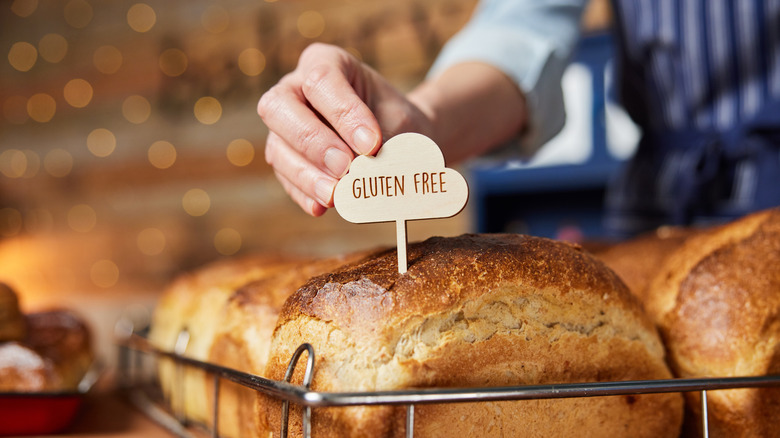
The FDA has called for increased transparency when it comes to the listing of ingredients on packaged food that could impact certain health conditions — for example, gluten and celiac disease. This has been triggered by a petition from citizens about products that are labeled gluten-free, but contain traces of gluten-containing grains such as rye and barley, which aren't disclosed on labels currently. Labeling also ranges from "gluten-free" and "no gluten" to "gluten-friendly," which can often be confusing.
Having conducted preliminary investigations, the FDA has issued a Request for Information (RFI). This is a first step towards what Health and Human Services Secretary Robert Kennedy Jr. called "radical transparency" in how ingredients are listed on packaged food, especially those that impact health conditions in a significant way. "People with celiac disease or gluten sensitives have had to tiptoe around food, and are often forced to guess about their food options," FDA Commissioner Marty Makary was quoted as saying in an FDA press release, while Kennedy Jr. insisted that "Americans deserve clear, reliable information about what's in their food and how it's made."
With the RFI, the FDA is asking for public input for information on products where rye and barley are not currently disclosed on labels. They're also seeking information on the gluten content of oats due to cross-contact. The end goal is to help the FDA make informed regulatory changes and increase transparency for consumers.
Comprehensive review of the nutrient requirements for infant formula
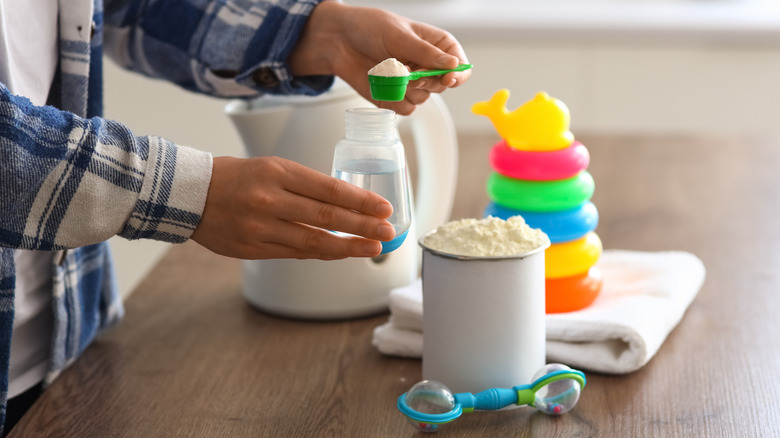
It's been a year since the FDA launched Operation Stork Speed with the Department of Health and Human Services (HHS). The project's long-term goal is to make sure American families have access to "safe, reliable, and nutritious infant formula." To this end, in 2026, the FDA will launch a comprehensive review of the nutrient requirements for infant formula. It's the first time in decades that an operation such as this is being conducted, with the stated goal being to modernize the nutrient requirements for infant formula based on scientific input, expert opinion, and public recommendations.
The reputation of the American baby formula industry has taken a severe beating over the last few years, from corporate greed leading to a baby formula shortage to ByHeart formula being recalled over life-threatening cross-contamination fears. In fact, an independent, nonprofit consumer organization tested 41 formulas in 2025 and found that nearly half of them had potentially harmful levels of at least one toxic chemical, including arsenic, lead, BPA, acrylamide, and PFAS.
As part of Operation Stork Speed, the Human Foods Project will study the presence of contaminants like lead, arsenic, cadmium, mercury, and PFAS in baby food formula. According to their website, the FDA will also screen infant formula and its raw materials for spore-producing microbial contaminants to help reduce potential health risks, like the botulism outbreak in 2025.
Ultra-processed foods under scrutiny
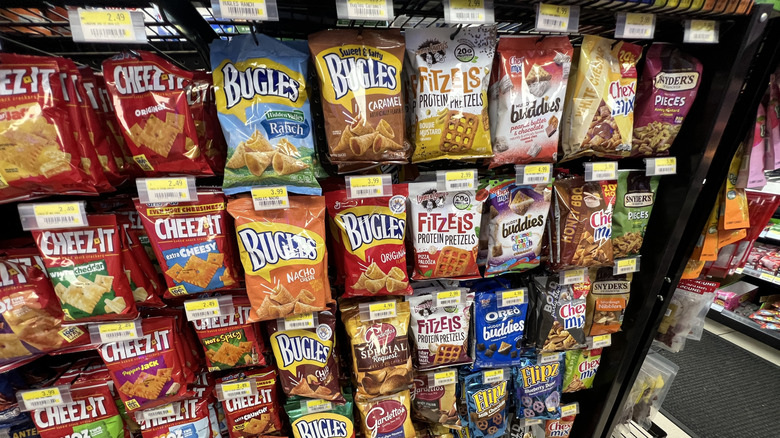
According to the FDA, America faces an epidemic of chronic, diet-related diseases, from cardiovascular problems to type 2 diabetes and obesity. In order to combat this in a meaningful way, the administration has put ultra-processed foods under scrutiny in 2026. According to their estimates, 70% of the American food supply can be considered ultra-processed, with children deriving over 60% of their calories from such foods.
So what does the phrase ultra-processed foods really mean? While one of the FDA's goals is to arrive at a definition for what constitutes Ultra-Processed Foods, the general rule of thumb is that the term refers to any food item that has one or more ingredients that you wouldn't find in a regular kitchen. This would include chemical preservatives, emulsifiers, sweeteners, and artificial colors and flavors. Just some examples of ultra-processed foods are pre-packaged snacks, frozen meals, boxed mac-and-cheese, jerky, and favored and carbonated drinks. Most of these aren't just unhealthy, they're designed to be borderline addictive.
"While a substantial body of research has been conducted on UPFs, there are still many unanswered questions about how and why consumption of these foods may harm people's health," a statement on the FDA website reads. "The FDA is committed to accelerating research on ultra-processed foods to help answer these questions."