

Why Cooking Oil, Sugar And Other Pantry Staples Could Cost More Soon
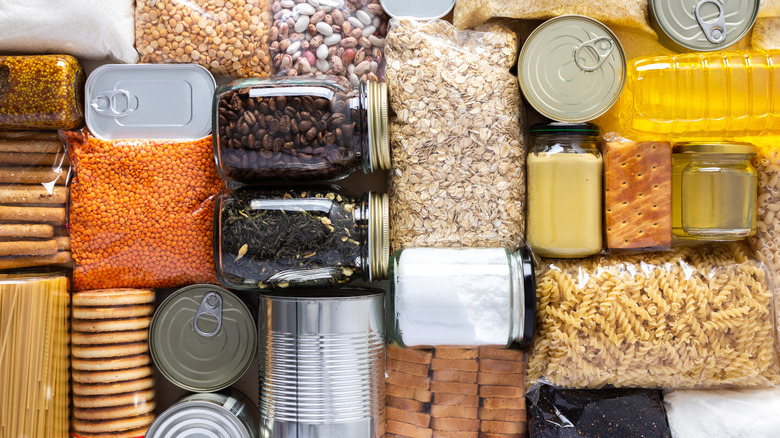
As Americans continue to recoil from the high cost of food, the escalating war with Iran threatens to drive the price of pantry staples even higher. While the cost of groceries has surged around 30% since 2020, recent years have seen the jumps in prices slow. The consumer price index for food at home rose 2.4% in 2025, slightly above what is normally considered healthy, but nowhere near as bad as the worst bouts of post-pandemic inflation. However, that gradual downward trend could be reversed in the coming weeks, as the effects of a regional war with Iran in the Middle East have ripple effects throughout the economy.
While the United States is not a major importer of actual food from the Middle East, rising oil prices and a shutdown of natural gas production could have effects on the cost of shipping and producing food that will force Americans to tighten their grocery budgets. Crude oil prices surged on Monday and were up again on Tuesday, seeing more than a 10% jump from last week. Uncertainty could drive prices even higher, as President Trump says he expects the war to last for several weeks at least, and the damage that could be done is still not clear. Because more costly oil means more costly energy, when prices go up, the entire economy is affected.
But that's not all. The Persian Gulf region is also a major supplier of fertilizer, with more than one-third of the world's supply passing through the Straits of Hormuz, which are now shut down due to the war. If fertilizer doesn't make it to farms, it could lead to lower crop yields for all kinds of agricultural products, which would mean higher prices at the grocery store.
Rising oil prices and lower fertilizer supplies could mean higher prices for staple groceries
The Middle East is a major part of the fertilizer supply chain because of its vast natural gas reserves. Natural gas is a major component in nitrogen-based fertilizers, which are critical for major U.S. crops like corn. Other important agricultural supplies, like phosphates, also have major producers in the Middle East.
Potentially higher prices for common pantry staples like cooking oil and sugar also show how integrated the world economy is, and how a major disruption in one part of the world can affect prices everywhere. The price for soybean oil surged as well on Monday, as lower access to oil means suppliers start buying natural fuel alternatives made from crops like soybeans and corn. The price of sugar has risen because of the potential jump in the cost of shipping, but sugar is also another alternative source of biofuels, so prices get hit from multiple angles when crude oil rises.
Finally, there is the ever-lingering threat of tariffs compounding these issues. Despite a recent Supreme Court ruling that many of the President's tariffs from last year were illegally implemented, President Trump imposed a new round of sweeping tariffs. There was already speculation that many retailers were trying to hold off on raising prices in 2025 in the hope that tariffs were temporary or reversed, but the newly imposed restrictions, combined with the Iran War fallout, could mean suppliers finally feel forced to put those price increases into place. Right now, it's impossible to say just how this war will affect every aisle of the grocery store, but for now, inflation concerns are back on experts' radar.