

How GLP-1 Is Reshaping Restaurant Menus In 2026
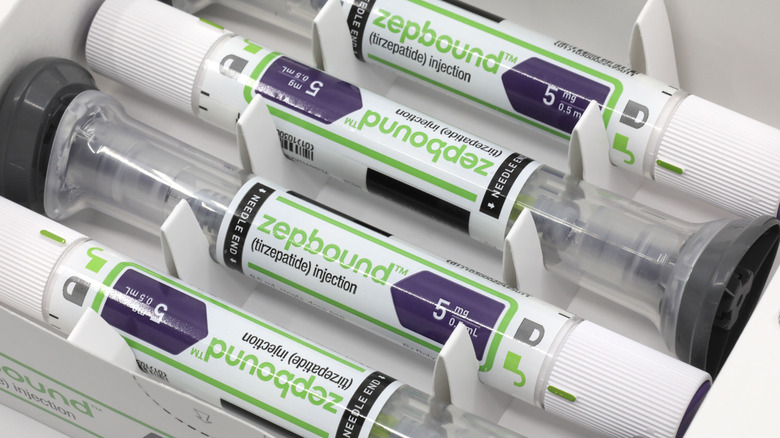
The country's biggest restaurant menu story in 2026 isn't an ingredient, a dish, or even something you eat. It's the rise of GLP-1 drugs. Previously prescribed primarily for diabetes, the realization that drugs like Ozempic could aid in weight loss led to their approval for that purpose in 2021, and the impact that's had on American eating habits has already been massive. GLP-1s work by mimicking a natural hormone of the same name, and in addition to its other effects on blood sugar, GLP-1 aids weight loss by sending signals to your brain that make you feel full sooner, which has been shown to help users drop up to 20% of their body weight.
By 2025, 12% of all Americans had already used some kind of GLP-1 drug for weight loss, and the obesity rate in the United States fell for the first time in a decade, beginning to reverse the 40-plus-year-long trend of increasing weight in the country. A seismic change like that, which influences how much food people desire, is clearly bound to have big impacts on the restaurant industry, and owners are already trying to keep up.
The first change is pretty obvious: smaller portions. Olive Garden is the biggest example of this health trend, as it introduced a new lighter portions section of its menu last year. Local New York City gastropub chain Clinton Hall made news by introducing a "mini meal" featuring much smaller burgers and fries. P.F. Chang's has recently introduced new, smaller portion size options for its entrees, and other chains like the Cheesecake Factory have expanded preexisting menu sections featuring lighter, smaller meals.
Restaurant menus are offering smaller portions and more nutrient dense meals
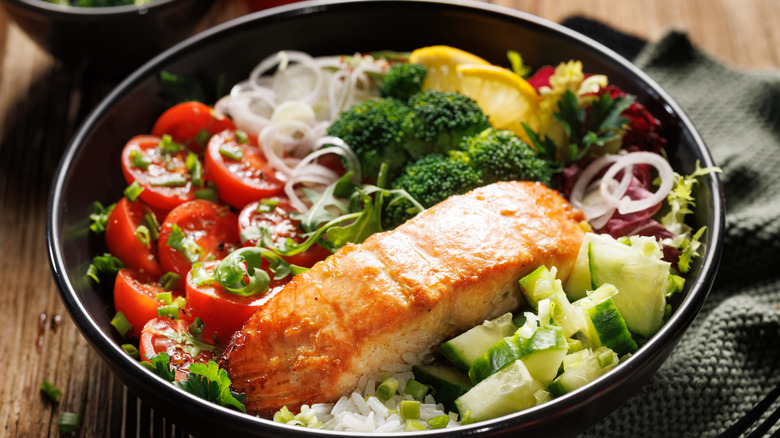
While these businesses sometimes deny that these moves were influenced by GLP-1s, this trend taking off all at once right now is hard to pass off as a coincidence. And the fact that people are eating less isn't just coming from restaurants guessing at what people want. While GLP-1 usage doesn't appear to affect how often people go out to eat, ordering extra food like sides and appetizers is less common, and that is showing up in meaningful declines in sales for those categories.
The other change may be less clearly linked to GLP-1s in people who don't use them, but you've certainly seen the outcome anyway. Notice how every restaurant or food company is touting high-protein foods (or easy high-protein recipes) these days? Or people are talking about their macros like fiber? Part of that is just shifting health consciousness, but some of it is GLP-1s, too. Why? The weight loss induced by these drugs can lead to muscle loss, and eating more protein is highly recommended to offset that. It also ties into the smaller portions GLP-1 users consume. Because people are eating less by volume, they need to squeeze more of their essential nutrients into a smaller amount of food. That means being focused on eating nutritious, well-balanced meals with few or no empty calories.
Chain restaurants are adopting trends that appeal to GLP-1 users
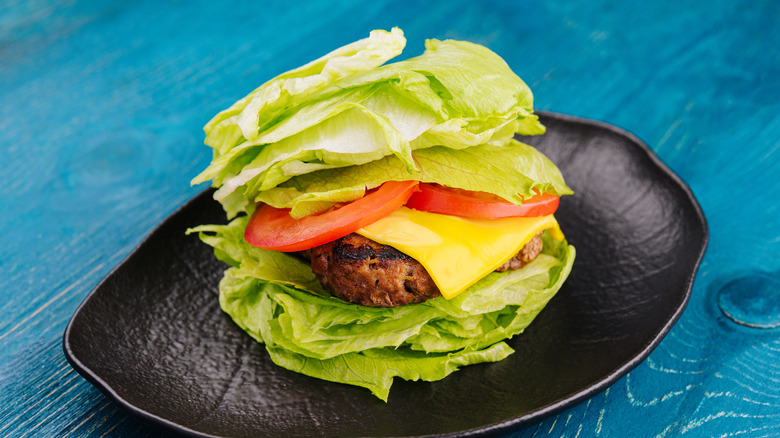
You can see the heavier focus on nutrient-dense meals with high-protein items show up all over fast food menus. Shake Shack recently introduced a "Good Fit" menu, which explicitly calls itself GLP-1 friendly, and features high-protein, low-carb items like lettuce-wrapped burgers with avocado. Subway has added very similar low-carb wraps called "Protein Pockets," and Chipotle's growing focus on wellness now includes a high-protein menu featuring "Protein Cups" that are basically just small bowls of meat. Some spots like Smoothie King even have separate menu sections labeled "GLP-1 Menu," which, wouldn't you know it, features items that are high in protein and fiber.
While these 2026 restaurant menu trends are very real, it should be noted that so far, the effects on the restaurant industry as a whole seem minor. Going out to eat is as much a social experience as a food one, and there has not been a significant decline in sales since GLP-1s came on the scene. Adding some smaller portion options, or more nutrient-dense ones, isn't a tall order for most restaurants, and might even help them save money in some ways. And changes in American eating habits could show up more at home, where people might snack less, while still indulging more when they go out to eat. GLP-1s are certainly influencing what menus look like right now, but so far, it's more of an evolution, not a revolution.