

These Are The 10 Best Teas To Drink If You Have Acid Reflux
We may receive a commission on purchases made from links.
Suffering from acid reflux can put a dampener on your culinary adventures. Spicy, acidic, and fatty foods can all be triggers, caffeine is out and alcohol is a definite no-no. This puts a lot of emphasis on what to avoid — but discovering what you can enjoy provides a more positive perspective. There are types of teas that aren't just non-triggering, but can also help to relieve some of the symptoms.
Acid reflux and its chronic counterpart, GERD, occur when digestive acid from the stomach is forced back up the esophagus, causing irritation and even damage. It's caused by a weakening or relaxing of the lower esophagus sphincter (LES), which is there to prevent this backward flow, which can be brought on by pregnancy, smoking, weight gain, medications, or even just lying down after a big meal.
Not all teas that are good for digestive issues will be suitable for anyone with acid reflux — peppermint teas being the prime example. Peppermint and spearmint tea are often suggested to help soothe an upset stomach, but as it relaxes the LES, it can make GERD and acid reflux worse.
Ginger
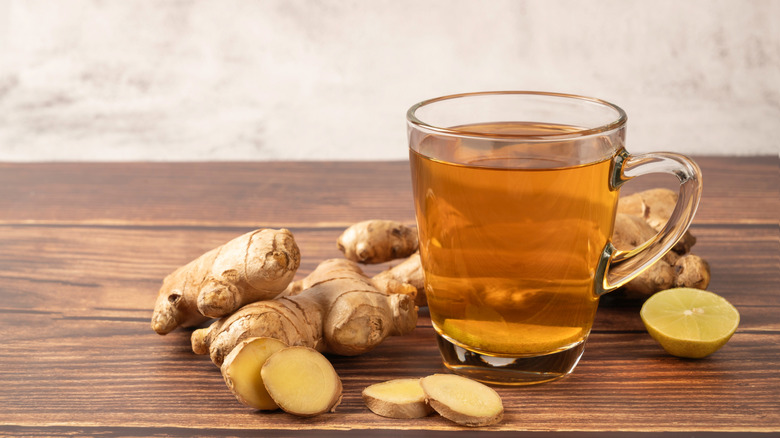
Ginger tea is one of the most popular natural remedies for acid reflux. It works as an anti-inflammatory to calm the stomach as well as reducing the production of acid. Making fresh ginger tea at home is as simple as thinly slicing fresh ginger and leaving it to steep in hot water for at least 10 minutes. Although lemon is a popular pairing with ginger tea, citrus fruits should be avoided because of the acidity.
Chamomile
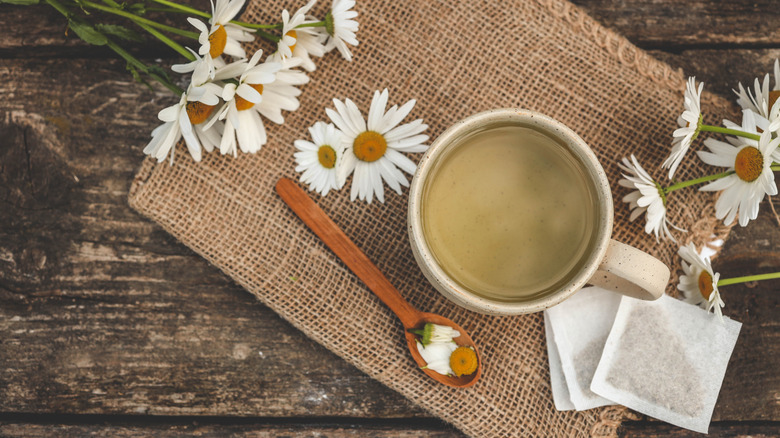
You might associate chamomile tea with nutritionist approved bedtime teas, but it's helpful at any time of day for racid eflux. Chamomile tea works in multiple ways, acting as an anti-inflammatory, an anti-spasmodic, and helping to heal the lining of the gut. Chamomile tea's all-round calming properties are particularly useful if your reflux is triggered by stress or anxiety rather than just food.
Licorice
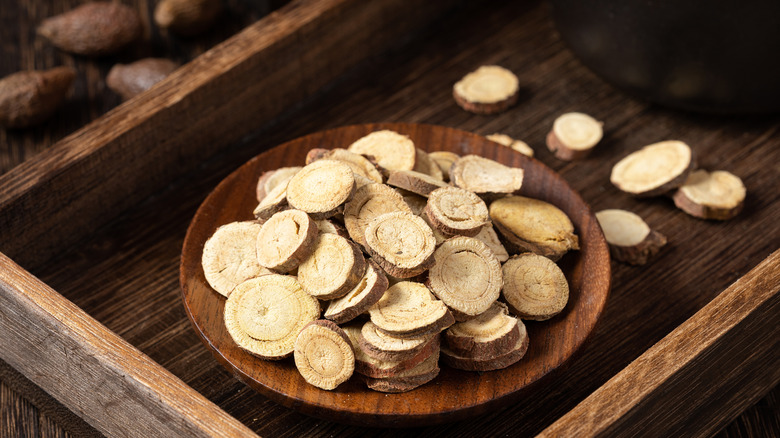
The taste of licorice can be quite a divisive one, but if you're a fan of the candy, then licorice tea might be an enjoyable option to help counteract acid reflux. It works by stimulating natural mucus production, which soothes and protects the stomach and esophagus. Licorice can cause high blood pressure, however, so look for teas labeled DGL (deglycyrrhizinated licorice) which has been processed for safe, long-term consumption.
Fennel
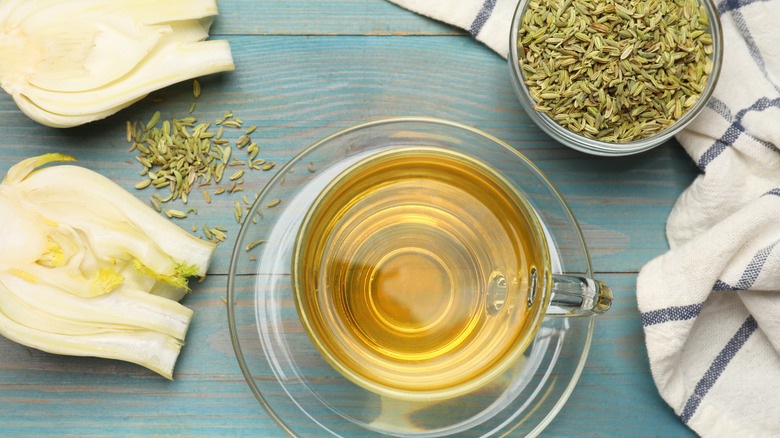
Fennel has been used as a digestive aid for centuries, with candy coated fennel seeds chewed after meals at Indian restaurants to reduce bloating. Fennel helps to move food in the right direction, as well as acting as an anti-spasmodic. As a bonus, fennel is an alkaline food, which balances acidity. You can certainly pop fennel seeds straight into your mouth, but lightly crushed and steeped in hot water, they make a soothing tea with a light aniseed flavor.
Marshmallow root
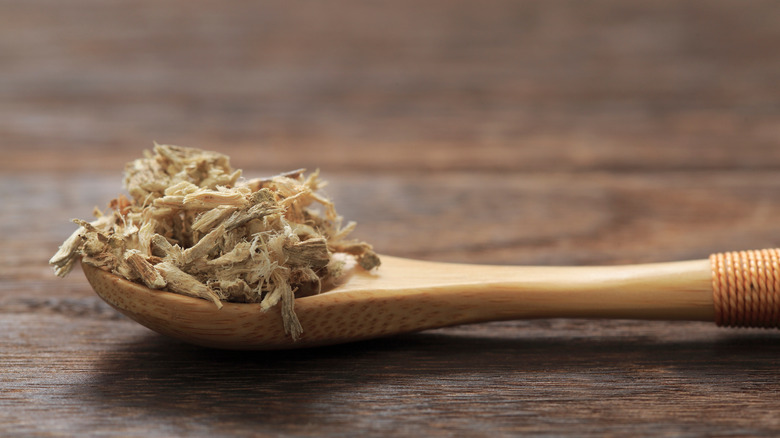
Yes, this is the same marshmallow that launched the sweet treat, and though it's no longer a key ingredient, the properties that produced the fluffiness can also help your reflux. Marshmallow root is rich in mucilage, a thick gooey sap that in this case can coat the digestive tract, providing you with protection from stomach acid. Both the root and leaves are sold as teas, but the root has a higher concentration of mucilage.
Slippery elm
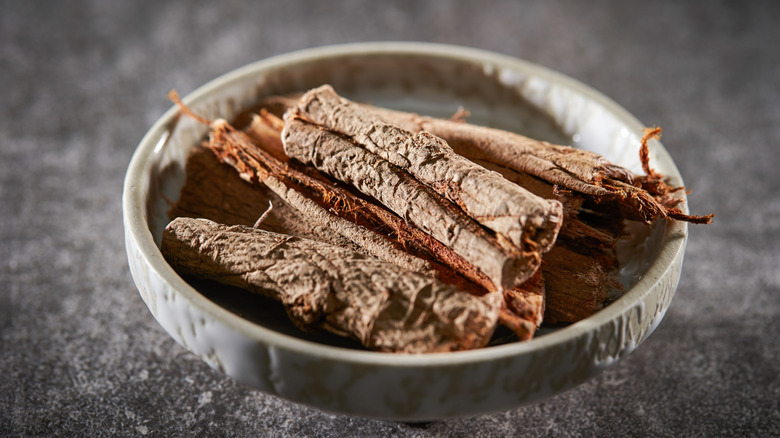
Slippery elm comes from the inner bark of the ulmus rubra tree, and just like marshmallow, it's high in mucilage to protect your esophagus. Despite the unappealing name, it has a mild earthy-sweet taste similar to maple. Slippery elm is often sold as a powder that creates a thin gel when mixed with water, but if you prefer to sip on your home remedy, look for a tea like Solo Therapy's cut slippery elm bark.
Dandelion root
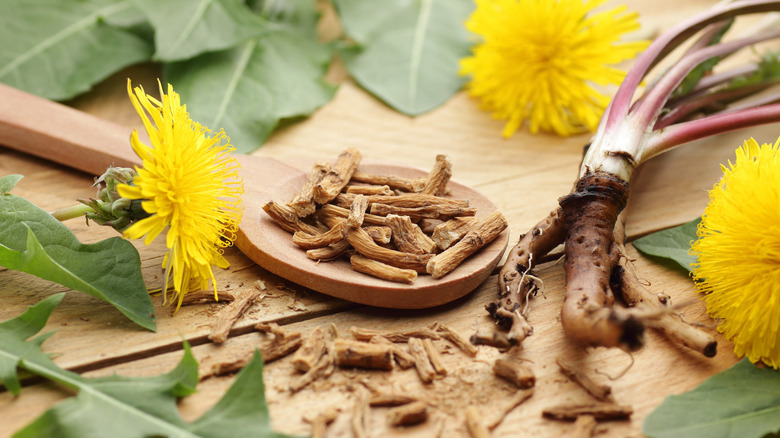
While some of these teas work on soothing the symptoms of acid reflux, dandelion tea can help in a more preventative fashion too. It's known to protect liver health, which is a key component in a good digestive system, as well acting as a prebiotic. Dandelion coffee (made from the powdered root) can be a great coffee alternative for anyone missing out on their morning cup of joe due to acid reflux.
Turmeric
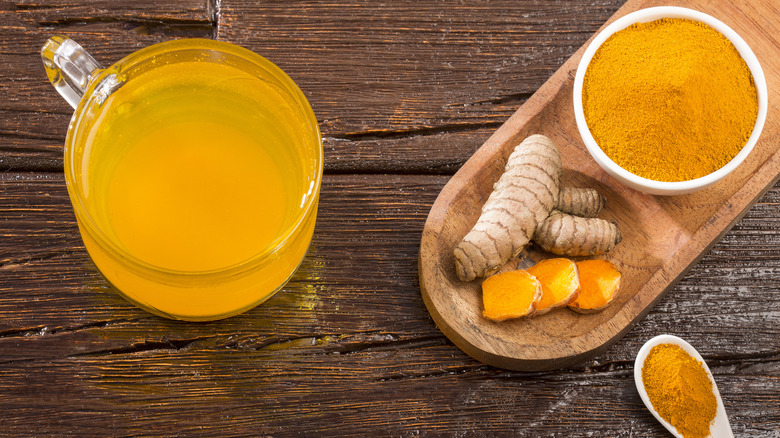
Beyond its use in cooking, turmeric has long been hailed for its health benefits, with evidence that it can help with everything from heart health to arthritis and diabetes. You can also add acid reflux to the list, as the active compound curcumin can help reduce acid production and inflammation. You can make tea from the fresh root or the dried spice, but one difference between fresh and dried turmeric is that the raw root has better bioavailability.
Crysanthemum
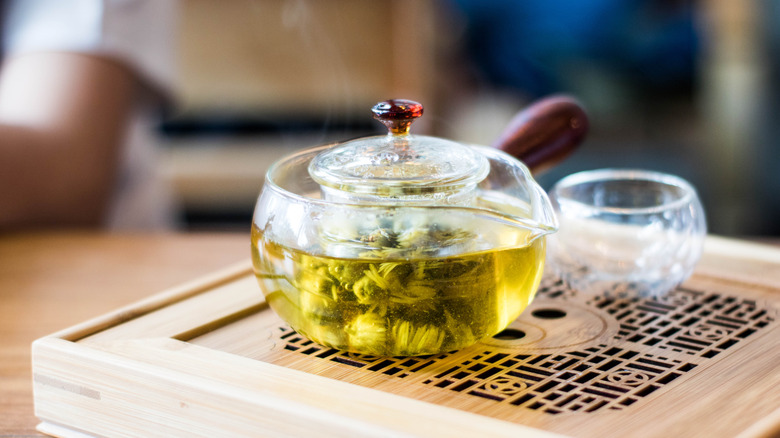
Chrysanthemum tea is a popular herbal tea throughout many parts of Asia, prized for its delicate flavor and what's considered a cooling effect on the body. For sufferers of GERD, it can help to balance acidity levels and reduce inflammation. The cut flowers are readily available in teabag form, but for a tea with a little visual flair you can steep whole flowers like the FullChea dried chrysanthemums, which will bloom in your cup.
Holy basil
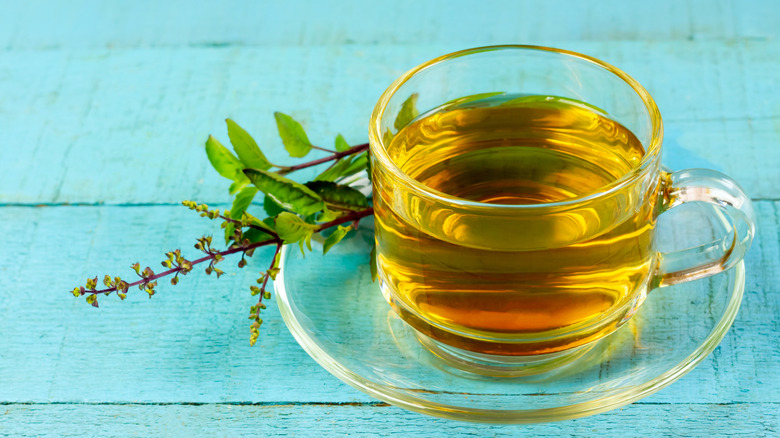
Also known as Tulsi, holy basil is one of the many types of basil used worldwide. It's a staple of Thai cuisine, but in India it's traditionally used in Ayurvedic medicine for a whole range of complaints, including digestive issues. Holy basil is an adaptogen, which means it helps the body deal with stress, a common trigger for acid reflux. It can also help to balance acidity levels and soothe inflammation in the stomach.