

10 Bedtime Teas That Have Nutritionists' Stamp Of Approval
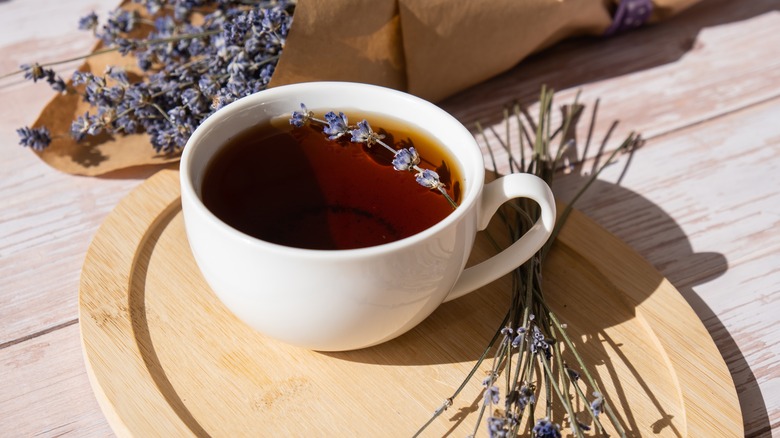
Your day might not start until you have sipped on a steaming cup of coffee, but there are a host of teas that can offer immense benefits for your nighttime routine. When chosen with care, specific varieties of tea can enhance relaxation, boost sleep, and wash away the stress of a hectic day.
So, which teas are about to become your new favorite bedtime ritual? In the quest for answers, we turned to Aishwarya Sampath, founder of Flourish With Aish, and Dawn Menning, registered dietitian and certified diabetes care and education specialist at Nutu. There are the usual suspects that you'd expect: Chamomile and lavender teas are highly recommended by both nutritionists for their ability to promote relaxation. Those with an adventurous spirit might have even picked up passionflower and peppermint teas to soothe the mind after a long day. But if you are looking to truly broaden your horizons, you'll want to look to teas made from adaptogenic herbs, such as ginseng and ashwagandha, for relieving anxiety and falling asleep more quickly. Even your regular cup of green tea can aid your efforts as long as you remember to opt for the decaf version. If you are looking to upgrade your tea collection with sleep-boosting options, it helps to try these bedtime teas that come approved by nutritionists.
Chamomile tea
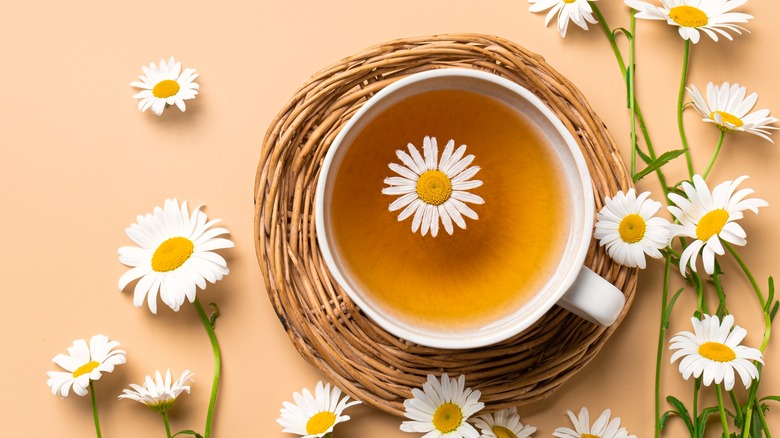
You cannot expect to casually drop the words "bedtime tea" into a conversation with a nutritionist and walk away without a bag of chamomile tea pressed into your hands — such is its cult-like reputation for soothing the mind at night with its sedative properties.
Chamomile tea is made from the chamomile flower (no surprises there). What you will find interesting to learn is that this flower contains an active compound called apigenin. This binds to the gamma-aminobutyric acid type A (GABA-A) receptors, a type of neurotransmitter that serves as the chemical messenger in the body. What does this mean for your bedtime routine? According to Aishwarya Sampath, chamomile is one of the most commonly prescribed teas by nutritionists for improving sleep issues with its comforting, sedative properties that also help dial down bloating and cramps. "The warm temperature and aroma may also calm your mind and body," added Dawn Menning.
However, the tea can only help to an extent. If you are truly looking to maximize its soothing effect, Sampath wants you to pair your nightly cuppa with the right sleep hygiene practices. "Have your meals two hours before bedtime, take a walk, dim the lights 30 mins before bedtime, make a warm cup of chamomile with a tiny bit of honey [or] jaggery, and enjoy a relaxed sleep," she said.
Lavender tea
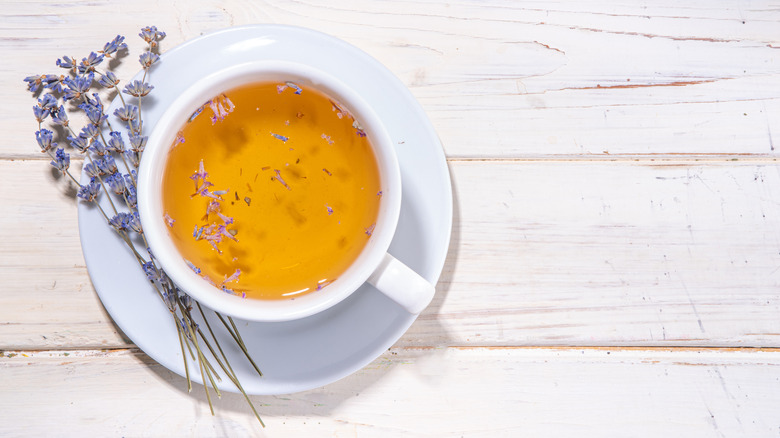
Jostling for the crown at chamomile tea's elbow are the pale-hued leaves of lavender. This floral tea is often recommended to those struggling with sleep issues or stress, and for good reason. Under the hood, a host of helpful compounds like linalool, linalyl acetate, flavonoids, and coumarins work together in unison to calm the mind. These are all the right ingredients for a night of quality sleep, as it promotes feelings of relaxation by improving circulation in the body.
For Dawn Menning, it makes for a compelling bedtime companion. "Lavender tea can enhance sleep due to its aromatherapy effects. The scent can have a calming effect to help reduce stress levels and reduce heart rate, which can promote relaxation," she said.
When you first open a tin of lavender tea, a calming floral scent will hit your senses. This fragrance should clue you into the kind of taste to expect with your first sip: floral and herby with a light whisper of citrus. If you are looking to dial up its benefits, you can always throw together your own DIY blend with chamomile and lemon. "With options to manage how strong you want your tea according to how hectic your day was, this is a great option," Aishwarya Sampath recommended. But if your everyday routine doesn't leave you with much downtime, she advises opting for tea bags for a quick fix before bedtime.
Peppermint tea
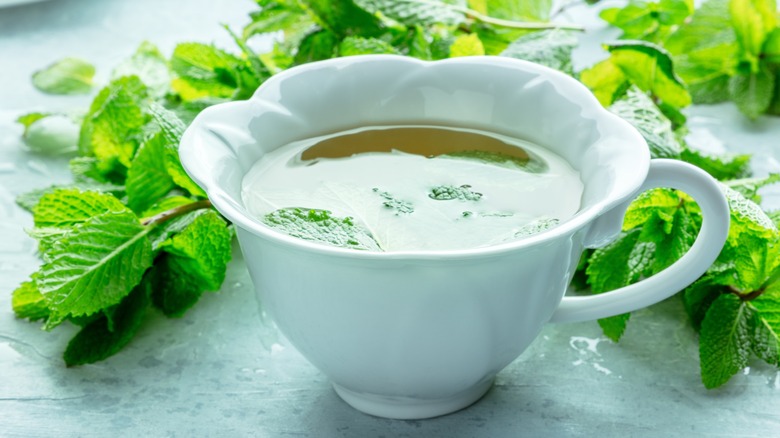
If you are wondering why you should start drinking peppermint tea after dinner, consider this: relaxed muscles, smoother digestion, and better sleep. Aishwarya Sampath has found that peppermint tea is a good option for anyone looking for a refreshing yet soothing beverage at night.
As somebody with an insatiable sweet tooth, I have found that the natural sweetness of peppermint tea makes for an excellent post-dinner beverage to leisurely sip on as my mind slowly unwinds. A warm cup of this tea is as much a treat for the senses as the palate, with the minty aroma slicing through the brain fog after a long day of work. When you finally sip on the tea, you'll find a menthol-like tingling aftertaste that relaxes the mind. "The methanol cools the system, acts as an analgesic, and calms nerves," Sampath explained.
Beyond relaxing the mind for sleep, peppermint tea can also lend a helping hand with digestive issues. "This tea is great for people experiencing gut issues like bloating, IBS, gastritis, [or] cramps, or for someone who has had a heavy dinner and has trouble digesting it," she added. As a rule of thumb, it helps to consume this tea half an hour before bedtime; a 150 to 200 milliliter cup with a teaspoon of peppermint leaves should lay down the foundation for a tranquil night. If you are looking for tea bags as a convenient option, it helps to browse through this ranking of peppermint teas to steer clear of any disappointments.
Passionflower tea

Passionflower tea scores highly on Aishwarya Sampath's list for its mild anxiolytic properties. This means that sipping on this tea at night can help unwind people's constantly wired brains. "It increases levels of GABA (gamma-aminobutyric acid) — the neurotransmitter that slows down brain activity and helps you reduce overthinking and anxiety just before hitting bed," she explained. Another benefit of this tea includes reduced sleep latency, or the time that it takes to fall asleep after your head touches the pillow. She also believes that it can promote deep sleep and minimize nighttime awakenings.
For those familiar with the mellow, floral sweetness of chamomile tea, sipping on a passionflower brew won't come as a surprise; it offers up a floral, earthy flavor that can also be likened to a mild cup of green tea. If you are looking to ease into the grassy notes of this tea, it helps to opt for flavorful blends that can mask the taste. The Well Rested Herbal Tea blend from Trader Joe's ranks as our favorite choice for keeping restless nights at bay. You can also take heart in the fact that active compounds pair well with other sleep-enhancing agents. Sampath believes that tea blends that pair passionflower with chamomile, lemon balm, peppermint, lavender, valerian root, and ashwagandha can enhance sleep at night.
Ginseng tea

It is highly unlikely that you'll make it through any Korean drama without watching someone swig back some ginseng before an important event, and it is easy to see why. As an adaptogenic herb, it boosts alertness and cognitive functions. These might not sound like words you want to hear when you are tossing and turning at night, but depending on the variety of ginseng tea you consume, you can quieten anxious thoughts before sleeping.
"Ginseng is a notorious ingredient to handle with tea," Aishwarya Sampath declared. Korean red ginseng, or Panax ginseng, is an energizing option that should be consumed during the morning to balance cortisol levels through the day. On the other hand, you'll find that American ginseng, or Panax quinquefolius, can be used later in the day. She recommends reaching for it two hours before bedtime to promote a sensation of calmness, uplift your mood after a hectic day, and relieve anxiety. "Adaptogens are believed to help the body adapt to physical, emotional, and mental stress and restore balance," Dawn Menning agreed.
Since ginseng releases its flavor slowly over time, it can be brewed two or three times. For those starting out, Sampath recommends opting for 1 to 2 grams of ginseng root or 200 to 300 grams of the powdered version. "Combine it with honey, lemon slices, ginger, mint or lemongrass, peppermint, or even cinnamon sticks to balance its flavor," she said.
Spearmint tea
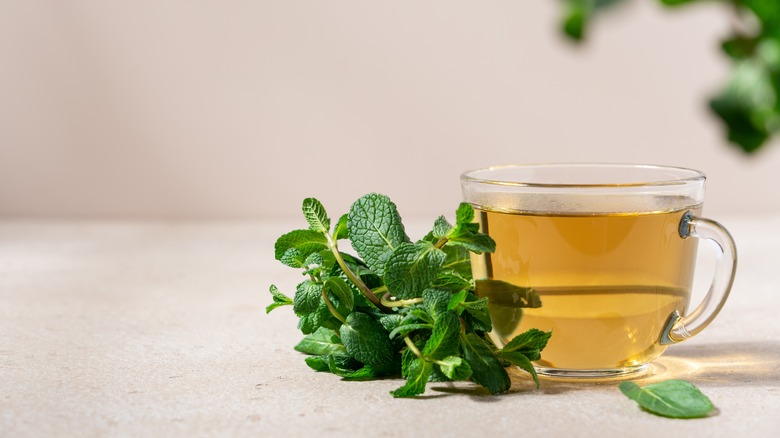
Since spearmint and peppermint tea sound similar, it can often cause confusion (my own experiments with peppermint tea were a coincidence because I believed I was ordering spearmint). However, the duo have diverse benefits to offer, and even the flavors can differ. Peppermint has a rejuvenating minty aroma. Spearmint, on the other hand, has a floral scent and is devoid of the menthol-style tingling that peppermint can leave behind.
So, what can spearmint tea do for your sleep? For starters, its natural compounds can dial back anxiety and stress to pave the way for a better night's sleep. Spearmint tea is regularly consumed in several South American countries to lower stress and promote feelings of relaxation. Like other herbal teas, sipping on spearmint tea is also an excellent way to stay hydrated. The latter is important because dehydration can make it harder to fall asleep by causing thirst, headaches, and muscle cramps.
For making your own at home, Dawn Menning recommends adding eight to 10 fresh spearmint leaves to a cup of hot water for 5 to 10 minutes. "Rinse the leaves thoroughly before use to remove any debris. Rub them between your fingers or tear them into smaller pieces to help release the oils," she said. Once brewed, you will be delighted to know that the tea can be sealed and stored in the fridge for a couple of days. Dried leaves, meanwhile, can last for up to a year when stored in an airtight container in a cool, dark space.
Valerian root tea
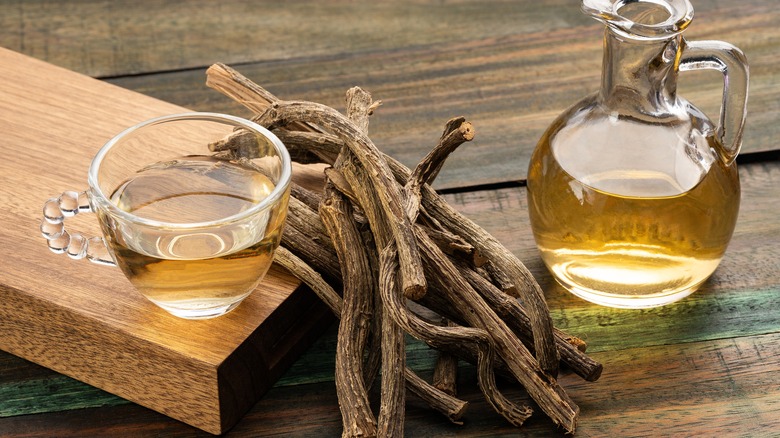
Nature has blessed us with several sleep-inducing ingredients, and valerian root is prime among them. By soothing the amygdala (the brain's stress response center), it works as an herbal sleep aid. It comes as little surprise that valerian root is a key ingredient in Dream Latte: the non-coffee Nespresso pods that will make your tea dreams come true.
If you'd rather not pop chunky pills and supplements every night, it helps to consume valerian root in the form of a hot cup of tea. By dialing up the GABA levels in the brain, it helps promote feelings of relaxation that are conducive to a good night's sleep. "It also acts as a muscle relaxant ideal for menstrual cramps or post-workout recovery," Aishwarya Sampath added.
However, you shouldn't expect to be knocked out for 8 hours after your first sip of valerian root tea, as she believes that it can take a week or longer to show results. It helps to start by opting for low doses of valerian root, starting from 1 to 2 grams. This can then be increased to 1 teaspoon depending on your body's tolerance. Sampath also finds that it helps to combine it with chamomile, lavender, lemon balm, or peppermint and to consume this tea around 30 to 60 minutes before going to sleep.
Decaf green tea
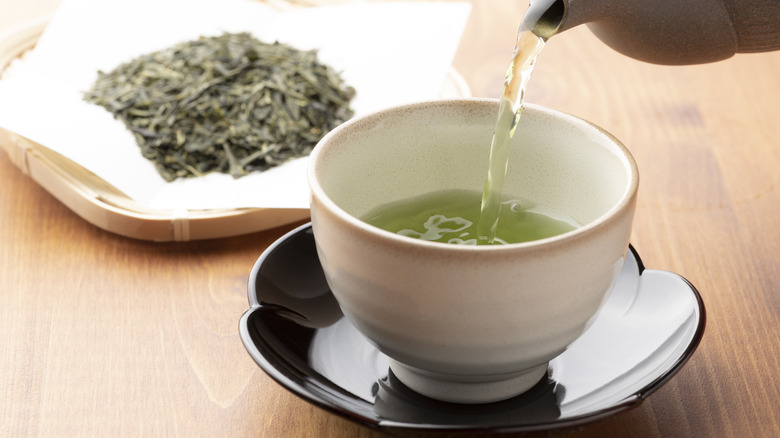
Weight loss. Boosted energy levels. Better mood. There is little that green tea cannot do, as there is even research to suggest that it might lower the risk of certain forms of cancer. However, if you have been brewing yourself a cup after dinner, you'll want to stop. The worst time to drink green tea is prior to sleep because it contains a sizable amount of caffeine. Instead, it helps to switch to the decaf version to continue to reap the rewards of green tea without the stimulation of caffeine — keep the perks, lose the jerk, basically.
"Regular green tea generally contains 20 [to] 45 milligrams of caffeine per cup, which blocks the adenosine receptors that make you feel drowsy," Aishwarya Sampath explained. But with a decaf option, you can expect to consume less than 2 to 5 milligrams per cup so that your sleep cycle remains undisturbed. "The L-theanine helps calm the mind chatter and moves the body to rest and recover," she added.
Since brewing your own decaf green tea at home can rinse away its nutrients as well, it is best to stick to store-bought offerings. You'll find some decaf options in our ranking of the 15 best green tea brands. Once you have brought yours home, you'll want to store it in a cool, dark place away from moisture and light to prolong its shelf life.
Ashwagandha tea
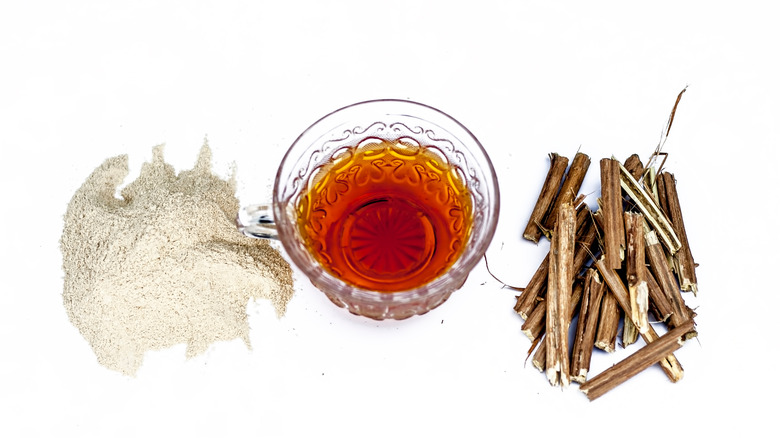
With the chatter around adaptogenic herbs reaching a crescendo, the word "ashwagandha" has likely popped up in your group chat more than a few times. Some are using it for reducing their stress response, while others might rely on this Ayurvedic herb for improving their circadian rhythm. You can count on it to deliver all of the above — plus a good night's sleep as an added benefit.
An evergreen shrub that is native to India, Africa, and the Middle East, ashwagandha can be your ally for addressing all your sleep concerns, whether you are hoping to fall asleep quickly, spend more time asleep, or improve the quality of your shut-eye. Withanolides are the primary active ingredients in ashwagandha that are known to address stress, thereby leading to more restful sleep at night.
When consumed in the form of tea, Aishwarya Sampath recommends allowing a gap of 30 minutes before you hit the sack. You can also choose to combine yours with milk and turmeric to temper its bitter flavor profile. When shopping for yours, she advises opting for loose tea leaves and root-based teas rather than instant mixes. "Genuine ashwagandha root teas are light beige to pale brown, with a slightly earthy, hay-like aroma. Watch out for very dark or strongly bitter, overprocessed mixes with fillers," she said.
Lemon balm tea

If you aren't a fan of extremely fragrant or floral teas, you might find a winner in lemon balm tea, which leans on the citrusy end of the flavor spectrum. However, despite its name, lemon balm belongs to the mint family, and you can expect it to deliver the same tranquil effects when the 9-to-5 grind has worn you down. With a marquee list of active ingredients that includes rosmarinic acid, citronellal, eugenol, and flavonoids, Aishwarya Sampath believes that it can help relax the mind, promote mild sedation, and lessen anxiety.
With a mild lemony taste lending it the name "lemon balm," it is best consumed late in the evening or before you go to bed. You can even enjoy your cup along with chamomile, lavender, or passionfruit as a blend. If you are looking to go down the DIY route, you simply need to boil 20 fresh lemon balm leaves in water and stir in honey according to your taste. Any leftover leaves can then be used to spruce up your salads. However, if you fancy the convenience of store-bought options, it helps to ensure that you don't accidentally bring home lemongrass tea instead — a bright, citrusy concoction that is best enjoyed during the day to boost digestion.