

6 Mistakes Everyone Makes Shopping At Whole Foods
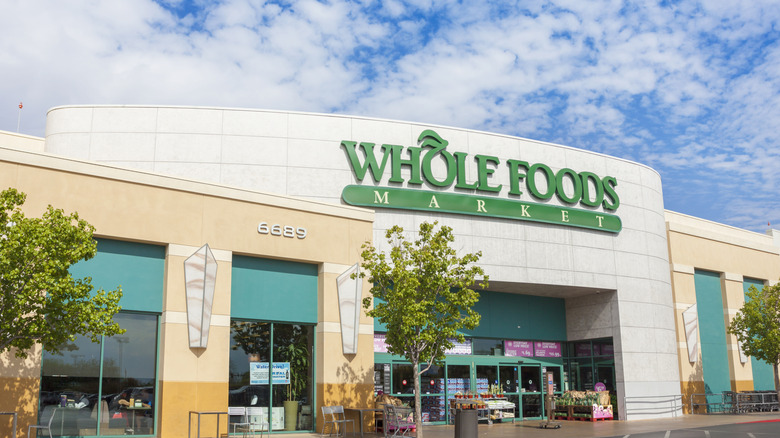
Like many grocery stores, Whole Foods can feel like a paradise for food lovers who love to browse the aisles. You can peruse the shelves and find some tasty finds in the form of prepared meals, snacks, desserts, drinks, and everything in between.
Whole Foods, in particular, often has a reputation for having a cult following. But it's just like any grocery store, with some alternatives that may appeal to certain customers. For instance, it has particular standards when it comes to ingredients in its products. That means that customers can rest assured that there are no hydrogenated fats, high-fructose corn syrup, or aspartame in the items — but that's not an exhaustive list of the banned ingredients (we'll touch on that later in this article).
Whether you are a first-timer or a veteran shopper, we did the research to find some of the top mistakes people make when shopping at Whole Foods. You can avoid making these errors by reading on and learning. Let's get into it!
Assuming the store brand isn't as good as the name brand
Store brands can often get a bad rap as being inferior to name brands. People tend to become loyal to certain products and brands and refuse to veer from them. But plenty of store brands are just as good, if not superior — and it's a blunder to think otherwise. For example, Aldi offers a pleasant selection of products that customers actually prefer to name brands.
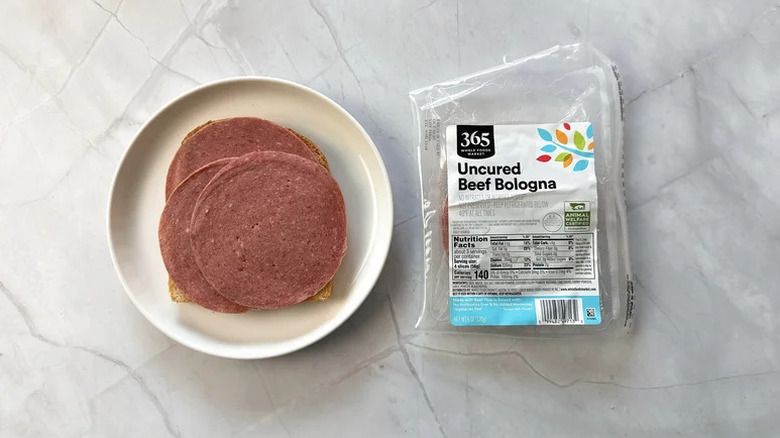
Whole Foods also has a range of items that are fantastic in flavor and quality, such as the 365 brand bologna. This deli meat ranked as our No. 1 favorite out of nine bologna options. Our writer loved the taste, which is a mix of smoky and salty, with other savory notes from celery, mustard, and garlic. The uncured, hormone-free nature of the beef product makes it even more alluring for certain customers, and it performed better than name brands like Oscar Mayer and Boar's Head. Other customers note that grocery items like the 365 vegan cheese slices are superior to Violife, or 365 thins wheat squares are better than name-brand items like Nabisco Wheat Thins. Just give the 365 store brand a chance.
Skipping the weekly sales
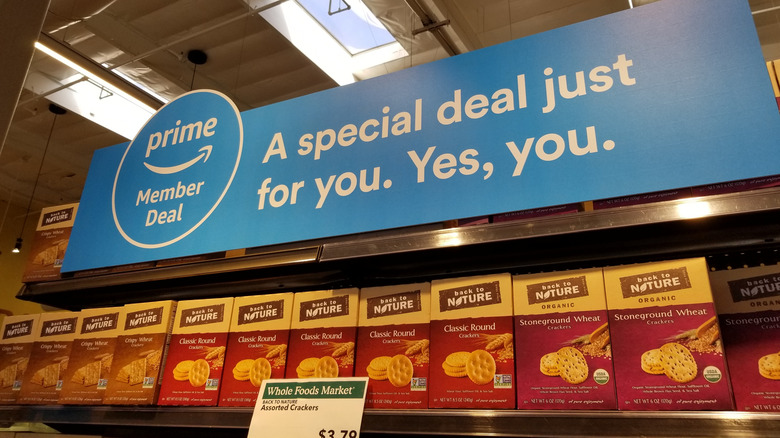
Grocery essentials such as chicken, beef, sandwich bread, and even orange juice have seen a rise in costs since 2024. Food is costly in general, whether you visit a grocery store or choose to dine out, so it's not only beneficial to save money whenever possible, but a mistake not to. Well, Whole Foods has a way to help with this problem, thanks to its weekly sales flyer, which you can easily find online to help you plan your grocery shopping before strolling the aisles in person.
Some deals are even better if you have an Amazon Prime membership. For example, at the time of writing, Whole Foods had a deal for 11% off wild-caught Chilean sea bass fillets, but you could get 20% off if you're a Prime member. Deals change weekly, and you can view the applicable dates to better plan out your meals. Sales items rotate, but you can expect anything from chips to chocolate bars to supplements to go on sale.
Accidentally spending too much at the prepared foods hot bar
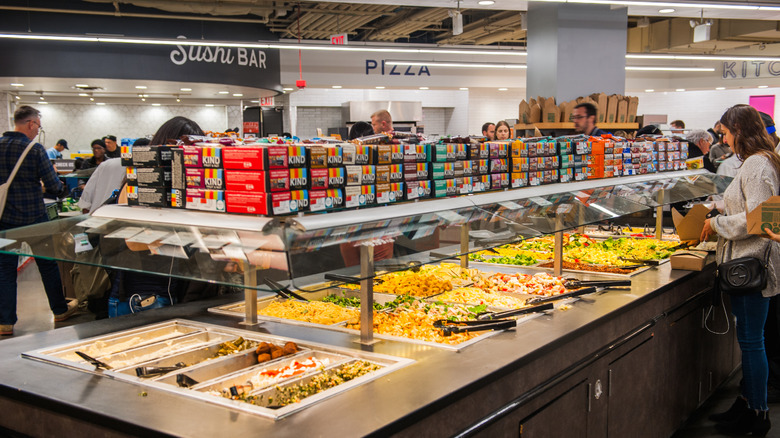
Spending too much at the prepared foods hot bar is a rite of passage for the uninformed Whole Foods customer, but it's an avoidable mistake now that you're aware of it. The hot bar has some excellent and delicious items (think mac and cheese, orange chicken, broccoli, egg rolls), but it's priced by weight, not by the dish. That means you might accidentally spend more than you expected or budgeted for if you're loading your container based purely on cravings.
Rather than piling your hot foods container with everything that looks good, you might want to keep the price per pound in mind as you make your decisions. Otherwise, a relatively normal-sized array of sides turns into a $33 tab, which is what happened to one Instagram user. While the price per pound may vary by location, you can still be smart as you add your items. Get smaller portions if you want several items, and be aware of some of the heavier, denser items like orzo that may make it pricier than it looks.
Assuming that everything is inherently healthy
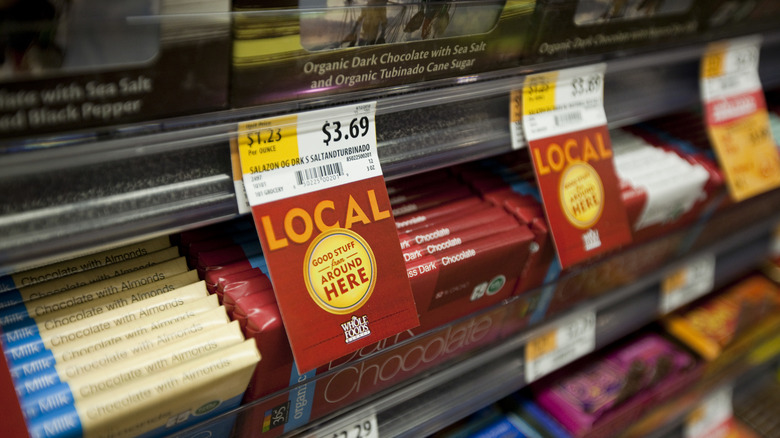
With a name like Whole Foods Market, you might picture a place with literal whole foods, which are defined as foods that don't have artificial ingredients or that don't have their natural elements taken away or stripped from them. This can include anything from fruits to veggies to grains. Yes, Whole Foods has actual whole foods, and yes, it even has a list of more than 300 banned ingredients that it won't sell in its products. But it's a mistake to think everything on the shelves and aisles is healthy.
Of course, what is "healthy" is often subjective, so you may have a different definition of what that means compared to another customer. Even so, Whole Foods sells a range of items, like any grocery store — not everything is automatically nutritionally balanced. It has things like candy, potato chips, and soda. While they might not have FD&C colors or certain sweeteners like allulose or sucralose, these types of processed items should still be eaten (and enjoyed) in moderation.
Thinking that catering is ultra expensive
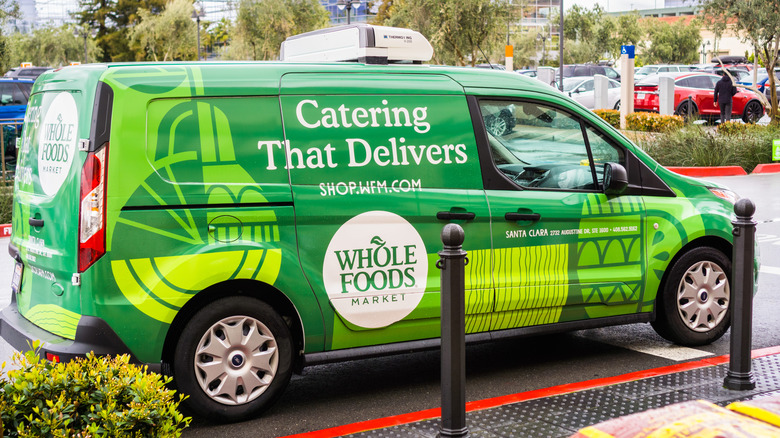
Catering in general may seem unapproachable, like it's something that only rich people or corporate businesses can utilize. But that's not the case at Whole Foods. Depending on what you get, catering isn't any more expensive (or potentially cheaper) than buying individual ingredients. The only difference is that you're buying things in larger quantities, which can be ideal for parties or even for your own meal prep.
For example, you can purchase chicken scallopini for $16.99 per pound. Or you can get 16 4-ounce servings for $64.99 through catering, which is actually slightly cheaper per pound. You don't have to order massive quantities of food for hundreds of people; plenty of options come in eight servings, which can be two meals or snacks per person in a family of four. It's a misstep to avoid catering at Whole Foods solely based on the idea that it's pricey — you might surprise yourself at the affordability of some catering options, but you may have to do the math to see what's worth buying through catering vs. individually.
Not checking out the bulk section
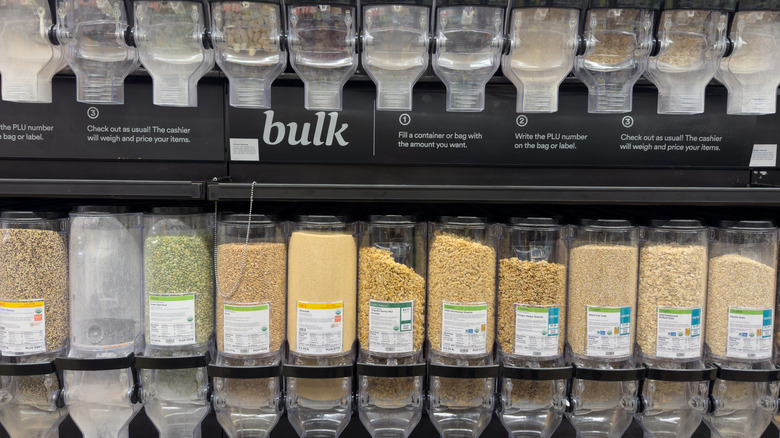
Admittedly, not every type of food is good to buy in bulk, such as berries, since they're prone to going bad quickly. But there are plenty of great items in the bulk bins at Whole Foods. It is certainly a mistake to walk by them without a glance. Whether you're looking for nut butters, beans, or grains, you'll find a variety of options in the vast bulk department.
The wonderful thing about the bulk section is that you can customize how much you want; this is ideal for smaller quantities when you only want to test out an item. That way, you don't have to commit to a full container of, say, a certain type of rice that you haven't tried yet. This can ultimately reduce waste or things going bad in your pantry that you forgot about. You can even buy things separately as a way to create your own concoction, such as a do-it-yourself granola or trail mix. One tip for bulking bulk, though, is to make sure to label your items with the purchase date when you get home; that way, you know how long you've had the item.