

The Survival Rate Of Kitchen Nightmares Restaurants Is Worse Than You Might Think

Gordon Ramsay's "Kitchen Nightmares" premiered in the U.K. in 2004. At that time, it was a simple four episode series, but the show quickly became a hit. In 2007, "Kitchen Nightmares" hopped the pond and debuted on FOX in the U.S. If you've never seen it, the premise is pretty simple. Michelin-starred celebrity chef Gordon Ramsay visits struggling restaurants to help turn the business around. He critiques the food, usually gets into a verbal sparring match with the owners, and then recommends an overhaul of the menu and décor. Most restaurants seem happy with his involvement by the end of the hour, but not always. The real question is what happened after the cameras stopped rolling, and the numbers don't look good. Only 30% of featured restaurants are still open.
"Kitchen Nightmares" has aired irregularly since 2007, spanning nine seasons with the most recent airing in 2025. There was a 10 year gap between seasons seven and eight. Ramsay has sought to help 97 restaurants in that time. Some of the transformations were incredible, but only 29 of them remain open.
A 30% success rate isn't anything to brag about, but all the fault can't lie with Gordon Ramsay. Remember, these restaurants were struggling when he arrived. That's why he was called in. Some were carrying well over $500,000 in debt. Other restaurants, like the infamous Amy's Baking Company, were just horribly mismanaged and seemed fundamentally unable to succeed.
Waking from the nightmare
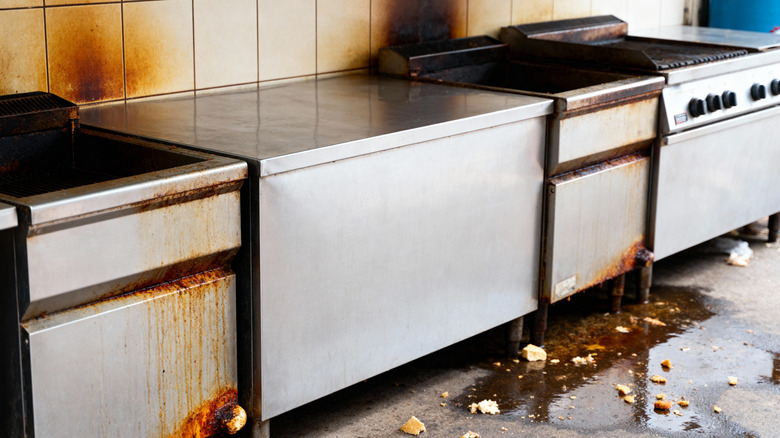
A common theme in many episodes is reluctance to listen to Ramsay's advice. Because of how the show is presented, this is a very confrontational and antagonistic experience. Gordon Ramsay is known for yelling and swearing, after all. He doesn't shy away from insulting the people who have called him in. Oftentimes, he finds the food terrible and says so. In other episodes, he discovers serious problems with food quality and kitchen sanitation. For some restaurateurs, this makes them dig their heels in and resist any of the changes he recommends.
Some of the failed restaurants blame Ramsay for further damaging their business. The owner of Chappy's said his customers hated what Ramsay did to both the menu and the décor. Oceana's owners ended up suing Ramsay for defamation. Seven-year-old clips of an episode, featuring Ramsay smelling shrimp and gagging, kept surfacing online after FOX agreed to stop showing them out of context. The manager of another restaurant sued, claiming scenes were faked to make him look bad.
Many of the failed restaurants undid the changes that Ramsay made after he left. Often, this involved reverting to an old menu and offering lower quality or badly prepared items. If a restaurant was failing because they had poor quality food, or the service was bad, there was only so much a TV show could do to fix that over the course of a couple of days. The fact is, the restaurant industry is hard. Rising costs, economic instability, and a host of other reasons contribute to why so many restaurants go bankrupt. That Ramsay may have saved 30% of those that seek his help is kind of incredible.