

3 Common Mistakes Everyone Makes Freezing Seafood
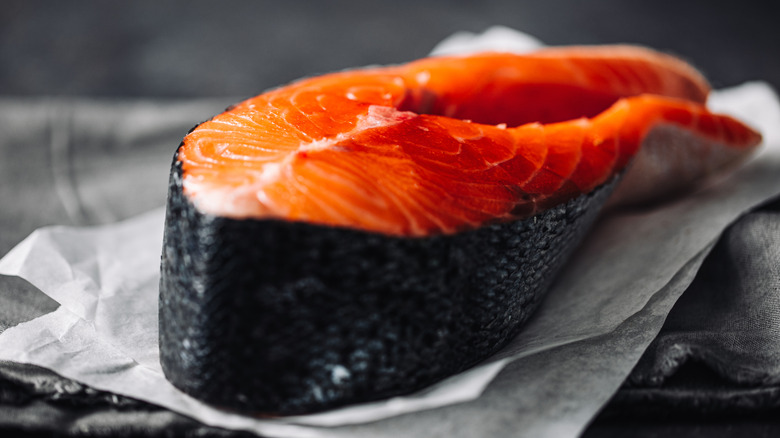
Freezing seafood seems like it should be a two-step process: open freezer, put fish in, but it's deceptively unforgiving. Fish and shellfish are mostly water (just like us!), with delicate muscle fibers and comparatively low connective tissue, which means small mistakes in freezing technique have noticeable quality consequences once thawed. Unlike red meat, which has a dense structure and intramuscular fat to buffer damage, seafood can't hide any missteps, ruining your filet with dry, mushy textures and the spectrum of stale flavors that come from both lipid oxidation and that certain aroma that only the ambiance of a freezer can impart.
Tasting Table spoke with Franklin Becker, chef and owner of Manhattan seafood restaurant, Point Seven, to share the most common freezing problems, most of which come down to technique. Fortunately, they're avoidable, and following a few intentional steps can make a big difference.
Seafood is especially vulnerable because its proteins tend to denature more easily than those of land animals. While freezing is a good preservation method, it defeats the purpose if it causes structural harm and degrades quality. It's worth following the guidelines and making some intentional adjustments to avoid the three most common freezing mistakes, because good fish is worth treating right.
Too much air ruins flavor
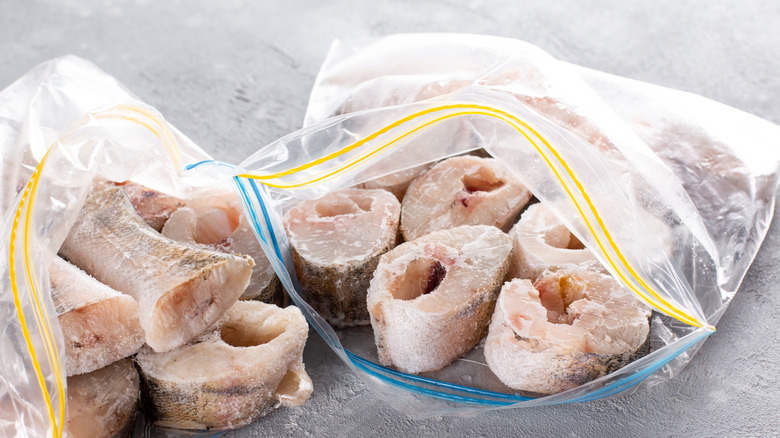
The first thing Franklin Becker calls out is that "most people forget to create an airtight environment — oxidation causes freezer burn." This is because when air comes into contact with exposed seafood, moisture is drawn out of the flesh and into the freezer air, creating ice crystals and leaving behind dehydrated, damaged tissue, which compromises the daintier seafood flavors and overall eating experience.
Creating an airtight seal prevents the obviously undesirable process of dehydration, and it slows another chemical reaction: the oxidation of the volatile oils in the fish fat. Seafood is especially prone to this kind of damage because its fats are rich in polyunsaturated fatty acids, which oxidize far more quickly than the saturated fats found in most red meat. That's why fish actively develops off flavors as oxygen reacts with those unstable fats, even in the chilly temperatures of the freezer.
Becker recommends Ziploc freezer bags (though this Costco freezer bag option can also work), which, he said, "are great, provided you do not trap air or puncture the bags," because even small pockets of air inside a bag can lead to surface damage faster than you'd think. You should always press out excess air from the bags, and if you have the space, Becker says to try "glass containers, or laying the product on a metal sheet tray, freezing it rapidly, then packing it in a sealed container."
Freezing too slowly can introduce ice crystals
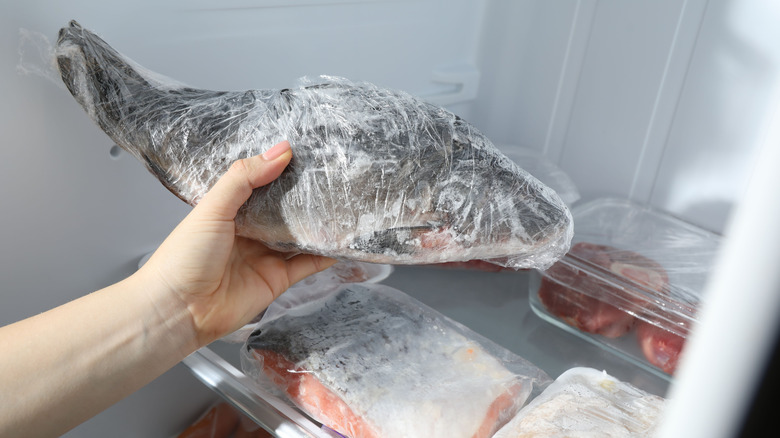
The second common issue Becker identified is the matter of contending with the timing and mitigation of ice crystal formation, because, as Becker explains, people often "freeze it too slowly and that causes crystallization of the product and denatures the protein, causing mushiness or mealiness," and no one wants that to happen to their beautiful pan-seared black cod. The ice crystals rupture cell walls, so when the seafood thaws, the structure collapses and releases water — and there's no culinary trick that can turn back time, or texture, in this case.
This is why you probably shouldn't invest in or count on cryogenics, and it's also the reason behind the common kitchen wisdom that you shouldn't try to refreeze thawed fish multiple times. You can do it safely if you move the fish through and out of the temperature "danger zone" as quickly as possible, but every time you thaw and refreeze, the flesh will be further degraded.
Commercial processors have the capability to flash-freeze, which requires high-tech, dialed-in freezers, but home cooks can approximate it by freezing seafood in thin, flat portions and placing it in the coldest part of the freezer. The faster the freeze, the smaller the crystals, and the better the texture when thawed. Don't leave it sitting in the frosty freezer air for long, though, because the yucky freezer flavors will seize the opportunity to get all over the filets.
Allowing excess moisture can ruin structure
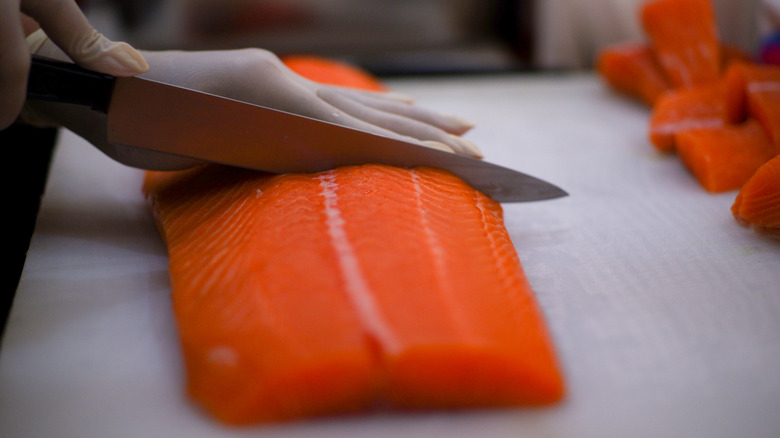
The third mistake is easy to overlook, but it's related to and compounds the first two: "You must dry the seafood before freezing," says Becker. Surface moisture turns into ice first, because according to basic thermodynamics, heat leaves the outside of objects first, so as the fish gets cold from the outside in, large ice crystals are formed, damaging the flesh before it's even frozen through. When the fish is frozen wet, then defrosted, the surface ice becomes water, which will thaw into an icky-sticky, filmy glaze that will weep into your pan, steaming instead of searing, no matter how hot your oil is.
In professional kitchens, patting fish (and other meat) dry isn't really considered a freezer-specific step; it's standard practice any time seafood is portioned and prepared. Moisture control is an integrated part of handling fish because they are wet and need to stay wet, but not too wet. Bacteria love water, and excess water does bad things to the texture and preservation potential, even if the fish isn't being frozen. Getting the skin as dry as possible is also known as the best way to get the crispiest skin when you pan fry.
You can pat the fish dry with a paper towel or let it sit uncovered in the refrigerator before freezing and sealing. These steps — drying thoroughly, sealing tightly, and freezing quickly — protect fragile seafood, ensuring its structural integrity so it stays delicious from thaw to cook, freezer to plate.