

Arsenic Detected In Almost 30 Popular Candies Ahead Of Valentine's Day

If you haven't yet bought candy for Valentine's Day, you might want to hold off. The Florida Department of Health has announced that certain candies tested as part of the state's new Healthy Florida First initiative were determined to have elevated levels of heavy metals. Forty-six types of candies from 10 different well-known brands were determined to have higher-than-safe levels of mercury, arsenic, cadmium, or lead.
Testing from Healthy Flordia First shared to the Exposing Food Toxins website revealed that a potentially toxic level of arsenic was present in 28 popular varieties of Valentine's Day candies, including 3 Musketeers, Black Forest Gummy Bears, Dots, Hershey's Cookies 'N' Creme, Jolly Rancher, Kit Kat, Laffy Taffy, Nerds, Skittles, Smart Sweets, Snickers, Sour Patch Kids, Swedish Fish, SweeTarts, Tootsie Roll, Twizzlers, and Trolli Sour Brite Crawlers. The candy tested was purchased online and in stores across Florida, and it is unclear whether any out-of-state candies were tested. However, it's safe to assume that candy from any of the brands listed above contains similar levels of arsenic.
According to parameters outlined by Healthy Florida First, eating more than one piece of any of the affected candies could result in toxic arsenic exposure in children and adults. Symptoms of arsenic exposure include sore throat, nausea, vomiting, diarrhea, muscle cramps or weakness, and skin irritation. Long-term risks of exposure include cancer, liver or kidney damage, a decrease in red or white blood cell production, infection, and death.
As of this time, no candy recalls have been issued, and customers are not being directed to return candy to stores. If you have purchased any of the candies on the list, we recommend that you dispose of them properly and monitor yourself or your children for symptoms of arsenic exposure. Before purchasing Valentine's Day candy (or any type of candy), check the packaging to confirm the brand isn't included among those listed as dangerous by the Florida Department of Health.
Arsenic is a natural element, but consumption can be dangerous or fatal
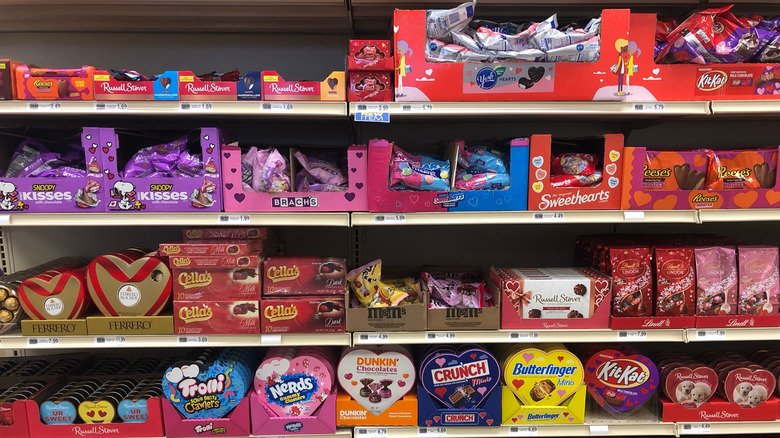
Though arsenic is a naturally occurring element that can be found in the earth, water, and air, it is dangerous at high levels. We encounter a certain level naturally through our environment when breathing, drinking water, and eating certain foods. It is, however, typically not a high enough amount to cause concern. According to the U.S. Food & Drug Administration, arsenic can contaminate food via the ground in which it is grown or the facility in which it is processed. The FDA is responsible for testing and monitoring levels of arsenic and other heavy metals in foods and has developed regulations that govern how much can be present in order for a food to be considered safe. Any facility that manufactures, processes, or packages food is also responsible by law for minimizing the presence of arsenic or other heavy metals or sources of contamination in those foods.
The FDA does not impose any federal guidelines for the level of arsenic that can be legally present in the foods we eat. However, it has advised manufacturers that infant rice cereals should not exceed 100 parts per billion of arsenic, and apple juice should be recalled if it is found to have higher than 10 parts per billion of arsenic.
Exposure to arsenic at any level can be incredibly dangerous, but the risk increases based on the age and overall health of the person exposed, as well as the level of arsenic present. Infants and children are at a higher risk, as are elderly people or those in poor health. Continued exposure can also increase the risk of serious health issues.