

Gordon Ramsay's 10 Best Tips For Making Delicious Soup

Gordon Ramsay has been in the global spotlight for decades, and during that time, he's released multiple cookbooks, opened hordes of restaurants, and hosted countless cooking shows. So, unsurprisingly, the British celebrity chef is full of cooking tips.
For example, when we spoke to the culinary icon in 2023, he told us that the key to taking grilled cheese to the next level is to use ingredients like sourdough bread, caramelized onions, and the best mature cheddar you can find. He also told us that a simple, good-quality cheddar cheese and some crackers can take vegetable minestrone soup to the next level. And lucky for us, Ramsay isn't short on soup tips.
Over the years, the chef has made many, many different soup recipes, and documented them all for the benefit of us amateur cooks. We went back through the archives to find some more great soup advice from Ramsay, and here's what we found. Your soup game is about to get a major upgrade. The best part? It's all surprisingly easy.
Half fill the blender
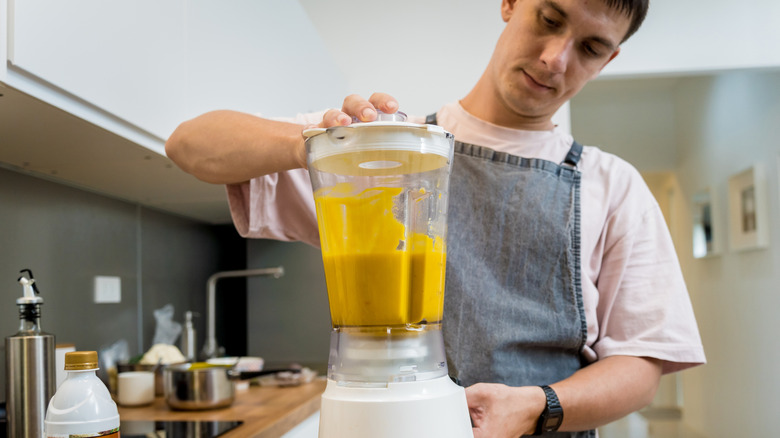
Soups can have many different textures, from thin consommés to thick and chunky, but if you want a silky, velvety mouthfeel, Gordon Ramsay has a tip: Only fill the blender halfway. According to the chef, this ensures that the mixture is aerated. As the term suggests, this basically means filling the blend with more air for a creamier result.
But there are other reasons why it's important to take it bit by bit when you're blending soup. Overfilling the blender (a common blender mistake) not only risks spills, but it also doesn't allow enough room for the liquid to expand and move, which can result in an uneven texture.
Another important thing to keep in mind when you're blending soup is that, if the mixture is hot, you will need to let the steam escape. You can do this by adjusting the lid so there is a slight gap, or by covering the top of the blender with a tea towel. If the steam can't escape, it might create pressure on the lid, causing it to pop off and potentially spill out the hot mixture.
Add a knob of butter into the mixture before you blend
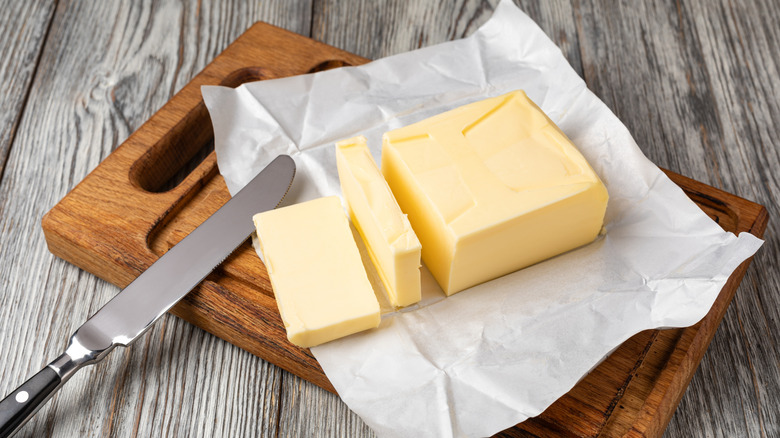
Another trick that Gordon Ramsay shares for making soup is to add a knob of butter to the mixture before blending. He explains that this helps smooth out the mixture, resulting in a nice, creamy, silky texture.
Adding butter to soup not only improves the texture, but it can also take the flavor to the next level. That's because butter is very good at enhancing flavors — it's creamy, it's high in fat, and it has a touch of umami. Adding it right at the last minute before you blend, just like Ramsay does, means the butter hasn't had time to break down in the hot mixture, and you'll get the full benefit of its creamy texture and slightly nutty flavor.
Butter is a soup-er hero (see what we did there); it can upgrade most soup recipes, regardless of whether you're going for a thin or thick texture. It can even take a watery canned soup from average to pretty good.
Keep the ingredients simple
As a Michelin-starred chef, Gordon Ramsay is no stranger to complicated, elaborate recipes. But he also understands that a dish with simple ingredients can still be full of flavor. In a clip shared to his YouTube channel, for example, Ramsay walks viewers through making a budget-friendly smoky soup with just a handful of easily accessible ingredients, like onions, bacon, leeks, corn, potatoes, and stock.
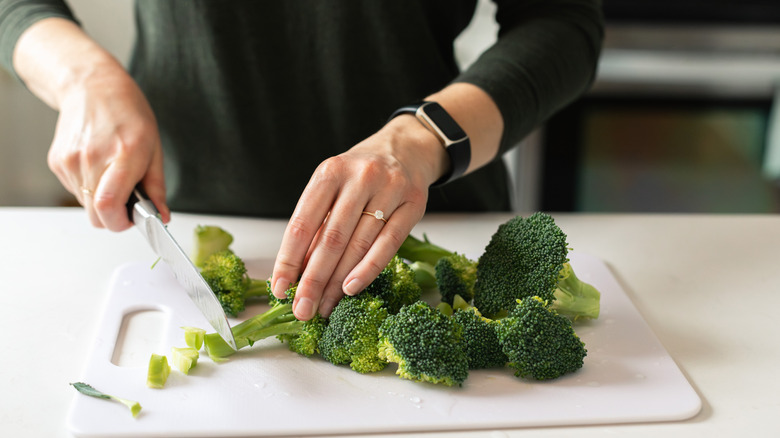
But he can go even simpler than that. In fact, one of Ramsay's soup recipes involves just broccoli, cream, salt and pepper, and some cold water. Yep, that's it. It sounds like it probably wouldn't taste of much (aside from broccoli), but the cream gives it a velvety texture, while the seasoning adds a nice touch of flavor.
Want something even simpler? Ramsay has even made soup using just broccoli and water before. We know what you're thinking: That's got to be one of the blandest soups around. But actually, Ramsay says if you blend the soup with cooking water, you'll actually get a nice kick of flavor. It's incredibly simple, affordable, and nutritious. What's not to love?
If you're making tomato soup, make sure the tomatoes are ripe
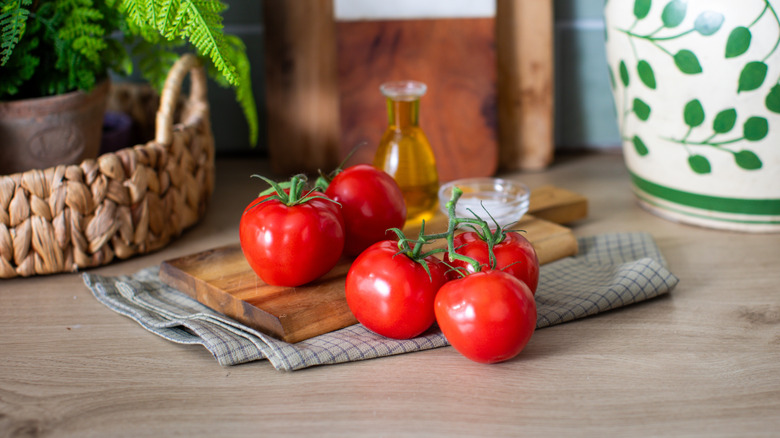
In a clip shared to Gordon Ramsay's Hell's Kitchen YouTube channel, Ramsay guides viewers through making the perfect creamy tomato soup. Right off the bat, he says that you'll need to make sure the tomatoes you're using are ripe. This is key: Unripe tomatoes tend to have a rather tart flavor, and they're not quite as juicy. Ripe, vine tomatoes (like the ones Ramsay uses) are a little sweeter, and generally have a much deeper flavor and a juicier texture.
Another tomato soup tip from Ramsay: Roasting the tomatoes, instead of stewing, will also transform the final flavor of the soup (this trick also works for tomato sauce, by the way). This is because roasting them concentrates the flavors, bringing out their natural sweetness and herbaceousness even more. For maximum comfort vibes, make sure to serve your tomato soup with Welsh rarebit (which is basically like an open grilled cheese sandwich), just like Ramsay.
Be liberal with olive oil

Gordon Ramsay offers another important tip for tomato soup: Don't be shy with the olive oil. He notes that this key ingredient helps give the soup that satisfying silky texture. This is because, like butter, it adds fats to the mixture, which helps to create that all-important creamy mouthfeel.
Ramsay adds the olive oil right at the beginning of preparing his dish, lathering it over chopped onions before placing the tomatoes on top and putting the whole thing in the oven to roast. But he's not done with oil yet. The chef also opts to make a sundried tomato pesto to go on top of the soup, using plenty of oil from the jar of sundried tomatoes to boost the flavor and texture of the paste.
You don't have to top your tomato soup with pesto, though. You can opt for a simple drizzle of extra-virgin olive oil on the top to make the whole thing even richer. Plus, it adds a nice shimmer.
Potatoes are an easy way to increase thickness
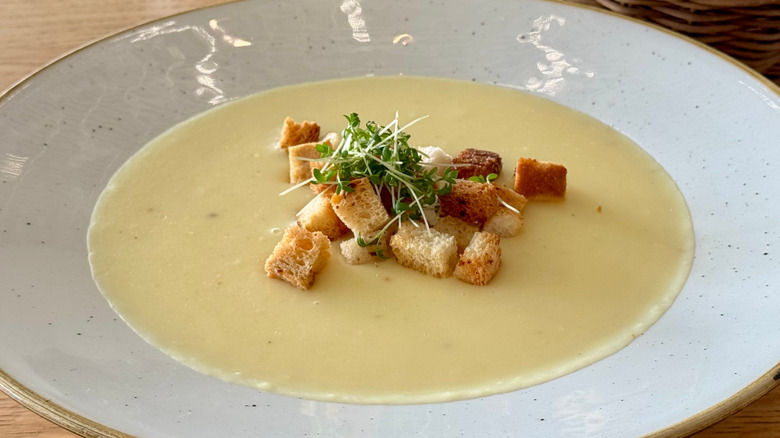
If you've got some potatoes hanging around, show them some love and put them to good use by utilizing them to add thickness to your soup, says Gordon Ramsay. He talked about this trick while making a simple smoky corn soup, noting that the starch from the potatoes gives the mixture a nice, thick texture. Adding potatoes is also a great way to increase the volume of your soup, meaning it can feed more people (or the same person multiple times if you freeze it).
Note that when it comes to potatoes, the variety you choose will impact the final flavor and texture of the soup. Russet potatoes are high in starch, making them a good choice for giving your soup that thick, creamy texture. Round white potatoes are much lower in starch, and so are likely best left as whole chunks in your soup. Want to boost the nutritional value? Color is your best friend; red and purple potatoes are especially rich in antioxidants.
Froth the mixture for a lighter texture
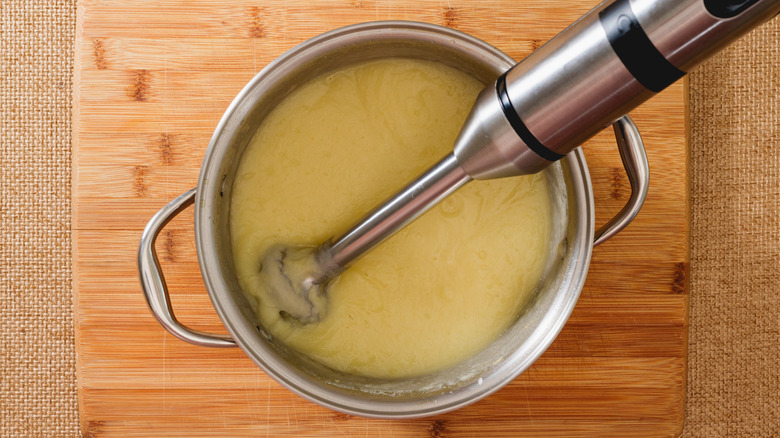
If you prefer a lighter soup, Gordon Ramsay says one of the best things to do is to add more air to the mixture (yep, we're aerating again), demonstrating it on The F Word's YouTube channel. First, he makes a bean puree, then mixes it with stock and cream, and finally brings the whole thing to the boil. After that, he goes in with an immersion blender (also known as a stick blender) to froth it up and lighten the texture.
The chef says the trick is "a bit of a chef's thing," noting that it's not mandatory to froth up a soup, but it will give it a more delicate mouthfeel. Ramsay opts to froth up a haricot bean and tiger prawn soup, specifically, but you can apply this handy trick to any soup you like, from pea to broccoli or even lobster.
Don't ignore the ugly vegetables
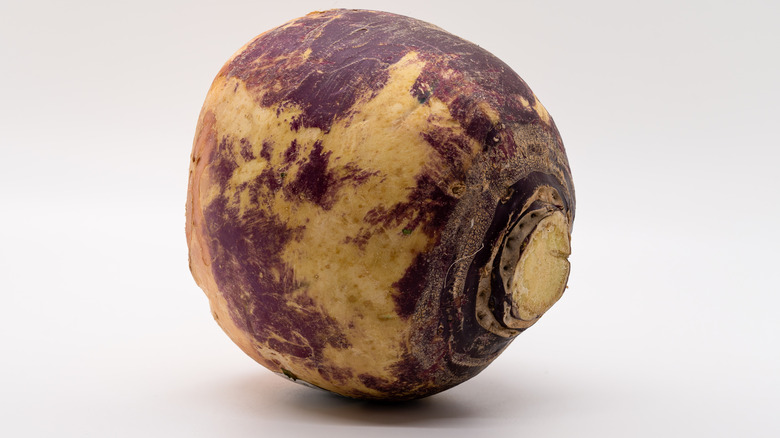
We don't like to judge anything based on appearance, but let's be honest, some vegetables are simply more glamorous than others. Pumpkins, sweet potatoes, eggplant, and heirloom tomatoes, for example, are all bright, colorful, and undeniably aesthetically pleasing. They're also great soup ingredients, of course, but Gordon Ramsay says that when it comes to soup, it's important not to dismiss the slightly less visually appealing vegetables.
In one online clip, the celebrity chef refers to rutabaga as an "ugly" vegetable, before going on to use it to make a creamy, rich, flavor-packed soup with cardamom. He explains that the best way to prepare the rutabaga — known as swede in the U.K. — is to cut each end, slice off the skin, and then chop it into cubes. Already, it's looking considerably less "ugly." He then caramelizes the vegetable to bring out its natural sweet and earthy flavor.
Another key asset of rutabaga? It's very affordable, says Ramsay. It's true: When they're in season, you can pick up a pound of rutabagas from the farmer's market for less than 99 cents per pound.
Build up seasoning as you go
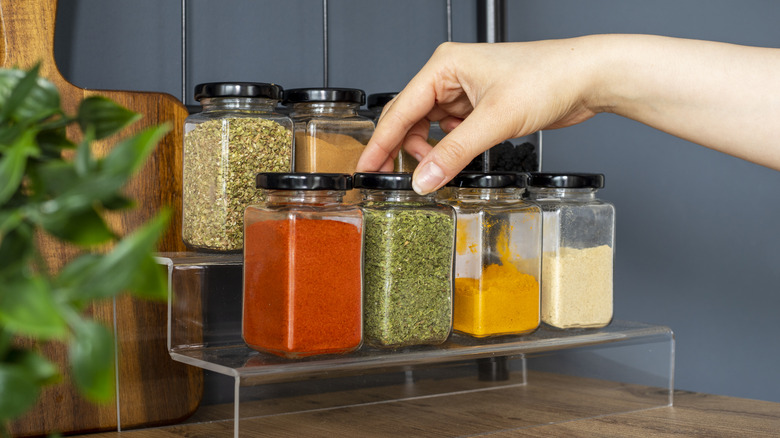
Gordon Ramsay also offers a crucial seasoning tip. He explains that rather than adding all of your seasoning in one go, you should take it slowly, building up the flavor as you cook. He refers to this technique as "climbing a staircase," where you keep adding the seasoning all the way until you've finished cooking the soup.
This isn't just a Ramsay thing, though, it's a trick used by most professional chefs, and the reason isn't some complicated kitchen chemistry, either. The idea is simple: When you season in small steps, tasting along the way, you have more control over the final flavor. Add a little salt, pepper, spice, or whatever you're seasoning with, and then have a taste test and adjust accordingly. Keep going with this method, and you'll find that you're far less likely to end up with a dish that is too salty or sweet.
Add miso for a deeper flavor
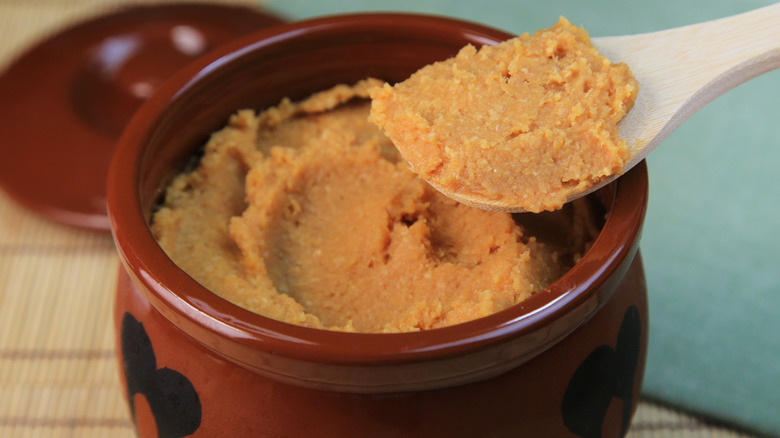
Miso, a type of fermented soybean paste, is incredibly popular in Japanese cuisine; it adds layers of umami to basically any dish (from mashed potatoes to sweet treats), but it's particularly great in soups. That's why miso soup, with its salty, savory, earthy flavor, has been eaten across Japan for many centuries.
Gordon Ramsay is a big fan of miso in soup. On his official YouTube channel, the chef makes a Japanese-inspired miso broth with spring onions and eggs. While doing so, he says the miso brings a "wonderful deep savory richness" to the dish, before noting that it's a "brilliant" addition to all soups.
Indeed, you don't have to limit yourself to a traditional miso broth to make use of miso paste. You can use a spoon or two to increase the umami in basically any soup you like, from French onion to tomato to broccoli.