

Even In The US State Where Residents Spend The Least On Groceries, The Average Total Is Nearly $600 A Month
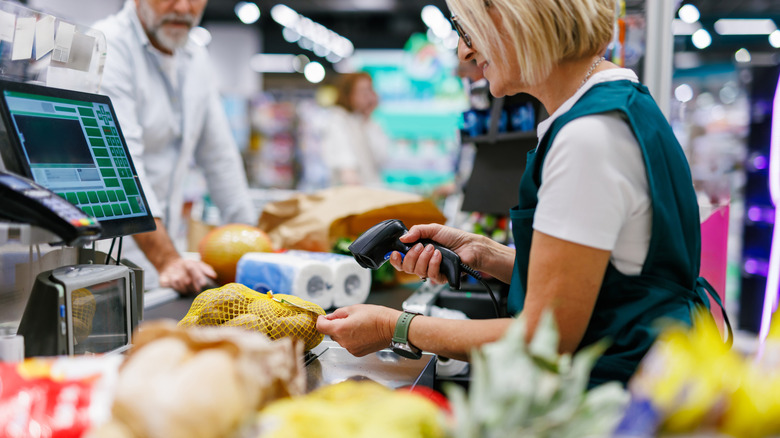
After years of higher costs, the prices you see at the grocery store are still shocking people. Even the most affordable states don't get much relief. Overall grocery prices have seen a 29% increase since February 2020 and food prices are rising faster than other costs on average. While pandemic-era supply chain disruptions were the prime culprit early on, ongoing crises like the war in Ukraine, drought in beef production areas, and the endless saga over tariffs have kept prices rising. Now a new Trace One study, analyzing grocery data from the U.S. Bureau of Labor Statistics and other government sources, shows that even in the most affordable state of Minnesota monthly grocery spending has hit almost $600 a month.
Residents in Minnesota spend $579 a month on average for groceries, according to the study. The data also reflects local wages and shows that residents of Minnesota pay the lowest percentage of their overall spending on groceries at 6.4%. The lowest grocery bills were in West Virginia, averaging $505 a month, however lower wages mean West Virginians spent 8.7% of their money on groceries overall. For the United States as a whole the average monthly grocery bill was $681, with an average of 7.4% of people's total consumer spending going to grocery items. But those numbers vary greatly by region, and even within neighboring states.
The Western U.S. spends the most on groceries while the Midwest spends the least
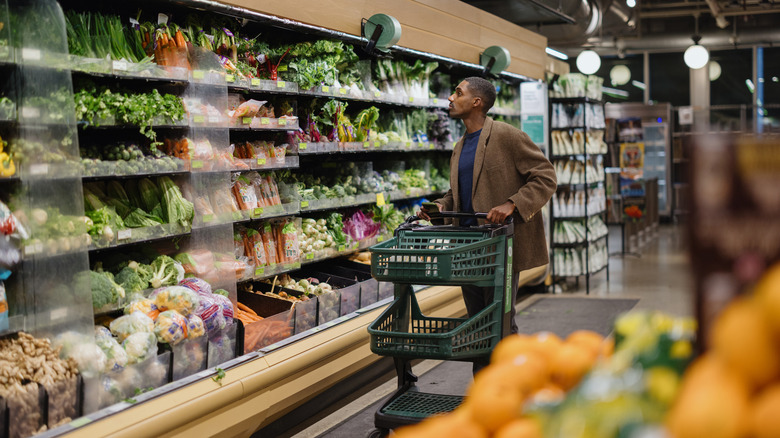
Grocery prices are highest state-by-state in Alaska and Hawaii, but they are unusual cases as both have to deal with the added cost of shipping most of their food in from the mainland. Utah actually has the highest average grocery spending, at $931 a month. Interestingly this may have less to do with food prices, and more to do with local culture, as Utah has the largest average household and family size out of any state.
Overall spending is highest at grocery stores in the Western U.S., which is attributed to the difficult logistics of supplying the large and sparsely populated region. On the opposite side of the equation is the Midwest. These Northern states have some of the lowest prices, which is a combination of lower cost of living overall, and proximity to much of the nation's food production. The Dakotas and Illinois are also in the top 10 for most affordable food with Minnesota, with less than 7% of their spending going to grocery shopping.
However the biggest takeaway from this report is just how much local wages, not just prices, affect affordability. Despite having lower than average prices, Mississippi, Kansas, and Kentucky spend far more of their income on groceries on average, at about 9% each. It just goes to show that a lot of calculations go into making life affordable for people.