

This New York Alcohol Rule Keeps Some Aspiring Breweries From Getting Licensed

Homebrewing is a hobby and a genuine passion for millions of Americans. Weekend warriors tinker with hop blends, experiment with fermentation techniques, and proudly serve their latest batch to rave reviews from their friends and family. If, let's say, you've such a talent for it that neighbors are phoning in asking if they can buy a gallon or two for their fridges, and you're seriously thinking of turning your hobby into a business — you'll need a brewer's license. But wait — if you're a New Yorker, you might want to check if you're in compliance with the tied-house law or not.
Basically, if you own any stake in a bar, restaurant, or liquor store — even a teeny-tiny stake in one — you're barred from getting a brewer's license. Not just in New York, but anywhere. Own a slice of a tapas bar in Manhattan? Can't brew. Have equity in a wine shop in Brooklyn? Same problem. It doesn't even matter if your bar serves completely different drinks than what you'd produce. You're not getting that license.
The law is extremely strict on this: You can't get a license to manufacture alcohol while having holdings in a retail business at the same time. So if you're an entrepreneur who already has a stake in a local restaurant, this single restriction can demolish an otherwise great business idea before it even gets off the ground.
A century-old rule born from market chaos
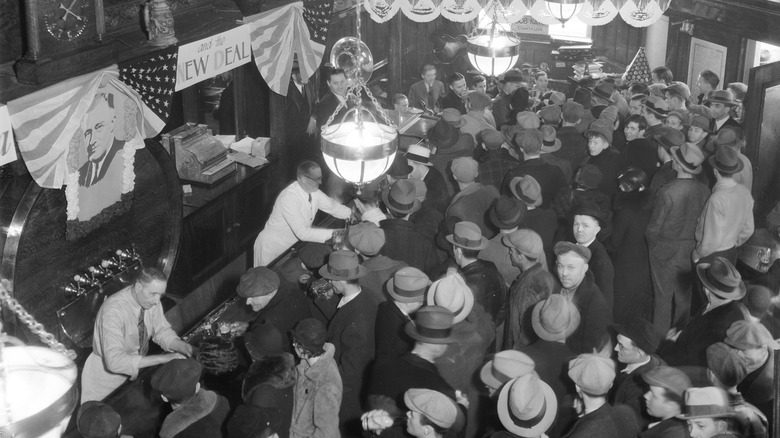
You see, back in the 1800s and early 1900s, brewers and distillers in the U.S. typically owned the bars that their products were served in. They'd create a chain of bars and pubs that exclusively serve their drinks, and as they became richer and richer, they'd use their financial muscle to pressure other bar owners into "offers they couldn't refuse". So let's say a brewery owner gave you a great, low-interest loan to renovate your bar or cover your rent with... you'd better stock their beer and nothing else.
As a result, in the 20th century, most alcohol-serving establishments were operating under the tacit control of "Beer Barons" — and the outcome was devastating. Breweries began pushing aggressive sales tactics that promoted excessive drinking, and many communities were drowned in cheap alcohol and the waves of crimes in the amber-tinted wake. Ultimately, this was one of the many sparks that set off the temperance movement and led directly to Prohibition.
Even when Prohibition ended in 1933, policymakers learned their lessons and vowed to not let old habits creep back up. New York and other states put in place what's now called the "three-tier system," which separates breweries, distributors, and retailers into completely independent segments. The term "tied-house" comes directly from that dark history — these were establishments literally tied to breweries through ownership. The modern law exists to prevent that monopolistic chokehold from ever reconstituting itself.
What that means for you if you're thinking of getting a brewer's license

So if you're really serious about getting that license in New York to sell your home brews, before you download the papers and jot down the details, get serious about auditing your money. Look hard at every ownership stake you hold in any retail alcohol business. That includes the obvious ones like bars and liquor stores, but also more obscure arrangements. Do you own part of a restaurant that serves wine? A stock in a company that owns establishments across multiple states? What about family money flowing through a business entity that has bar interests? The law covers all of it. And no — foreign ownership doesn't get a pass. If you've a stake in a pub in London, for instance, or a beer hall in Munich, that's a red flag for the New York State Liquor Authority (SLA) as well. In other words, if there's any reasonable path from you to a retail alcohol operation, the state will likely take notice. Your best move is to cleanly separate yourself from retail alcohol completely before pursuing your brewery license.
If you're found to be in violation, rejection and potential fines are just part of it. If you own retail or restaurant licenses (anything that triggered the tied-house laws), those might be looked at by the authorities, and you might even be forced to divest your interests in them. State and federal authorities are very serious in enforcing it: Seven Stills, a brewery in San Francisco, got their license revoked because of this rule (via the San Francisco Chronicle). That's why, if you even so much as suspect that you could potentially get into trouble because of this rule, get a lawyer involved before you print out the application to save yourself the headache.