

10 Mistakes To Avoid With Cream Cheese Frosting
Whether you're making a birthday cake, a batch of cupcakes, or even brown butter banana bread, cream cheese frosting provides just the right combo of tanginess and sweetness to make your desserts shine. But let's be honest: Making any kind of frosting can be tricky, especially if you don't spend a lot of time baking. That's why we wanted to outline some of the most common mistakes people make with cream cheese frosting. That way, you can work to avoid those mistakes and whip up the most decadent cream cheese frosting you've ever made.
We've consulted a few experts in the cream cheese frosting arena to give us the lowdown on the mistakes they see home cooks make when it comes to this popular dessert topping. Florencia Cusumano, head chef at Butler in New York City; Emma Fitzpatrick, executive and pastry chef at Tempest Charleston; Devin Sansone, chef at Abbracci in South Carolina; and Sapana Chandra, recipe developer and food blogger at Real and Vibrant and author of "Plant Power Bowls," detail these mistakes and offer solutions to rectify them if you do happen to make them in the frosting-making process.
Adding all the ingredients at the same time
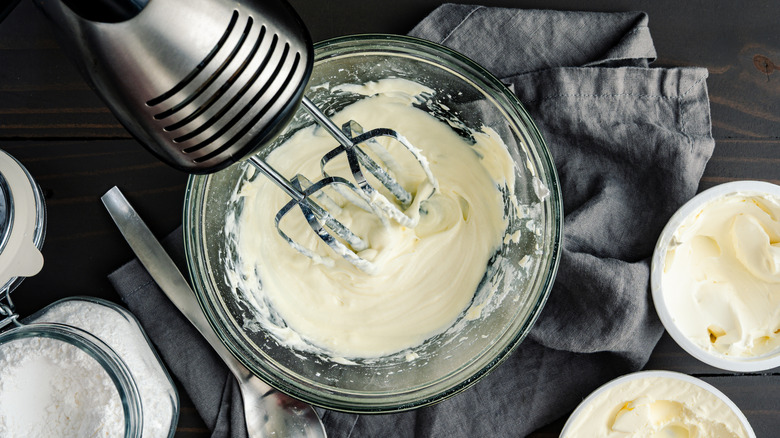
Take a look at a classic cream cheese frosting recipe, and you'll find that it calls for all the ingredients you'd expect to find in a frosting recipe. There's the cream cheese, of course, along with butter, plenty of sugar, and usually some vanilla extract. A lot of home cooks will take a look at that list of ingredients and start piling them all into a bowl. However, that can be a mistake if you want your cream cheese frosting to have the best possible texture.
"One common mistake I see with cream cheese frosting is adding all the ingredients at once," explains Chef Florencia Cusumano of Butler. Instead of just dumping everything into a bowl, you'll want to really follow the recipe you're working with, adding in additional ingredients after properly preparing the ones that are already in the bowl. "I recommend always smoothing the cream cheese first before incorporating anything else," says Cusumano. This involves putting that cream cheese in the mixer and beating it until it's reached a smoother, lighter consistency. "That simple step makes a big difference in preventing lumps or a broken texture," she adds.
Expecting it to function just like buttercream frosting
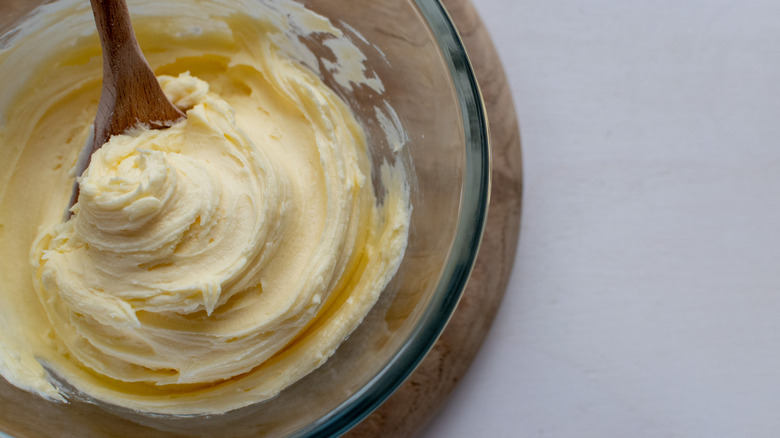
If you've never made cream cheese frosting before but have made a classic vanilla buttercream frosting, you may assume that you basically know everything about making frosting in general. The two can't be that different from one another, right? Well, not exactly. You're working with a different list of ingredients for each of these types of frosting, so it's a mistake to assume that they're going to come together or function the exact same way.
First of all, buttercream frosting is a lot lighter in flavor and somewhat fluffier in texture. This makes it ideal for complex piping that needs to be really nicely defined. On the other hand, though, cream cheese frosting is quite a bit heavier, with a richer flavor profile. It also offers a tanginess to your dessert that you won't find in a classic buttercream. That being said, its texture isn't quite as ideal for piping or decorating. Before you start making the frosting for your dessert, think about the kind of texture and flavor profile you're going for, then choose your frosting recipe accordingly.
Using butter with a deeper yellow shade
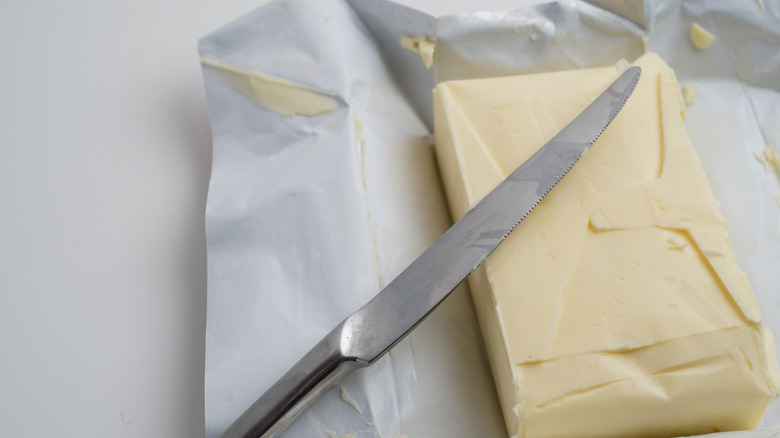
When you're going through the hassle of making your own frosting from scratch, it's usually because you're trying to prepare a special dessert, either for a special event or just because you feel like treating yourself. Therefore, you probably really care what the finished dessert looks like. Even if you get all the flavors right, you might feel like you messed up if anything on your dessert just doesn't look right. That's why, according to Sapana Chandra of Real and Vibrant, you should pay attention to the hue of the butter you're using.
"Avoid using butters with a deeper yellow shade," she suggests. "Use a paler butter for a brighter final shade of frosting." Most people want their cream cheese frosting to look white, not yellow, and with that in mind, the color of the butter you use comes down to what the cows producing it are eating. Cows that eat more beta-carotene-rich foods produce butter that's more yellow in color. Out of all the unsalted butter brands we've tried, Land O' Lakes tends to have a paler, whiter hue than many other grocery store options.
Not allowing the butter and cream cheese to come to room temperature
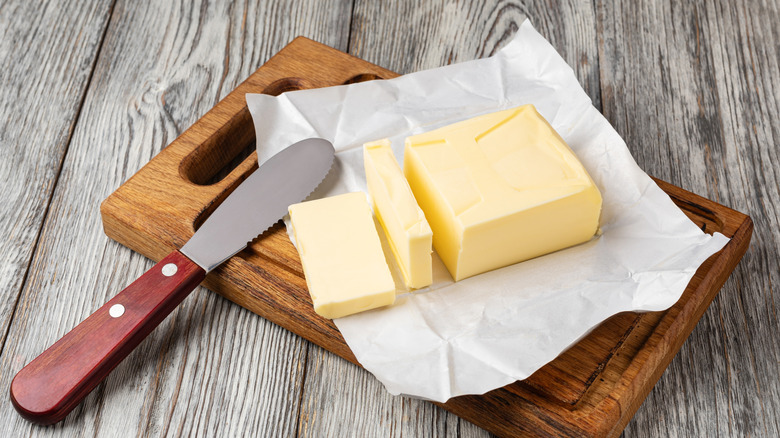
Unfortunately, you can't really decide to just make cream cheese frosting on a whim without prepping your ingredients beforehand. While it's tempting to assume that you can just take everything you need out of the fridge and pantry and throw it together in a bowl, the temperature of your ingredients really matters when it comes to cream cheese frosting. "The biggest mistake I see when it comes to cream cheese frosting is not letting the butter and cream cheese come fully to room temperature," says Chef Emma Fitzpatrick of Tempest Charleston.
Why is it so important that you're using room temperature ingredients? It all comes down to the texture of the frosting. "When [the butter and cream cheese are] too cold, they won't blend properly, which prevents the frosting from becoming light, smooth, and fluffy," explains Fitzpatrick. But depending on how warm or cold you keep your home, room temperature might mean something different to you than it does to someone else. When it comes to baking, though, the room temperature should be around 65 degrees Fahrenheit.
Using cream cheese that's too warm
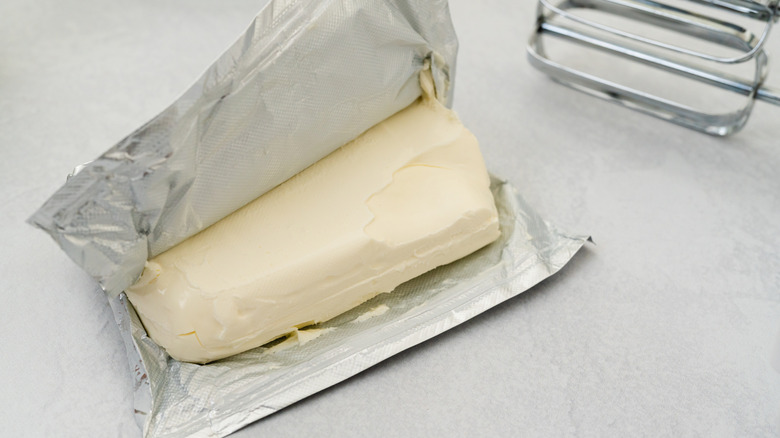
Yes, it's important to take your cream cheese out of the fridge a while before you plan to start making your frosting so it reaches room temperature. That being said, you don't want to leave it out for too long, either (or, even worse, try to heat it up in the microwave to get it to come up to the proper temperature faster). That's because it's also possible for your cream cheese to get too warm to work well in your frosting recipe, according to Sapana Chandra.
"Overly warm cream cheese can make the frosting runny and make it difficult to use," Chandra explains. The last thing you want is the frosting slipping and sliding off your cake or cupcakes when you're trying to decorate them, so make sure that you don't leave your cream cheese out on the counter for too long. We like to cut our cold cream cheese into smaller pieces so it comes to temperature more quickly — if you cut it into relatively small cubes, the warming process should only take about 30 minutes.
Forgetting to chill your cream cheese frosting before piping
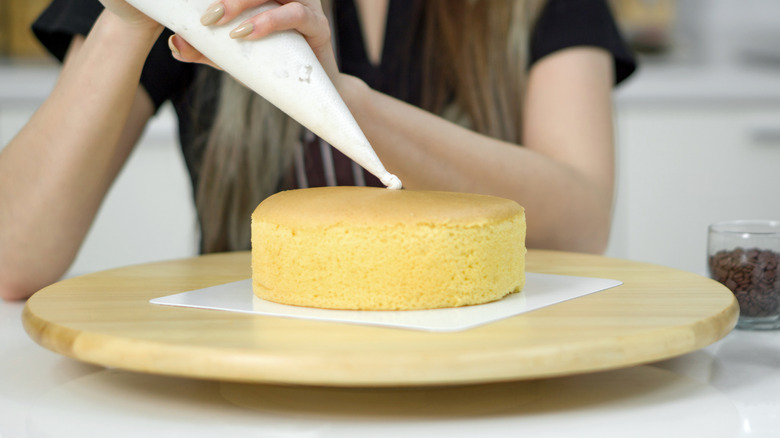
Compared to other types of frosting, cream cheese frosting can often be a bit runny. This is true even if you follow your recipe to a T and don't leave the cream cheese out on the counter to warm up for too long. So, what should you do if you finally mix all of the ingredients only to discover that your frosting is soft and runny? Whether you got distracted and started working on something else in the kitchen or you just let your ingredients get too warm before mixing everything, you need a solution that will ensure your dessert doesn't look sad and soggy.
Your best bet is to chill the cream cheese frosting before you start piping it. It will harden slightly when you put it in the fridge for a bit, giving it more structure once you start layering it onto the cake. Of course, if your frosting is already on the cooler side, you may not need to take this step.
Using whipped or spreadable cream cheese
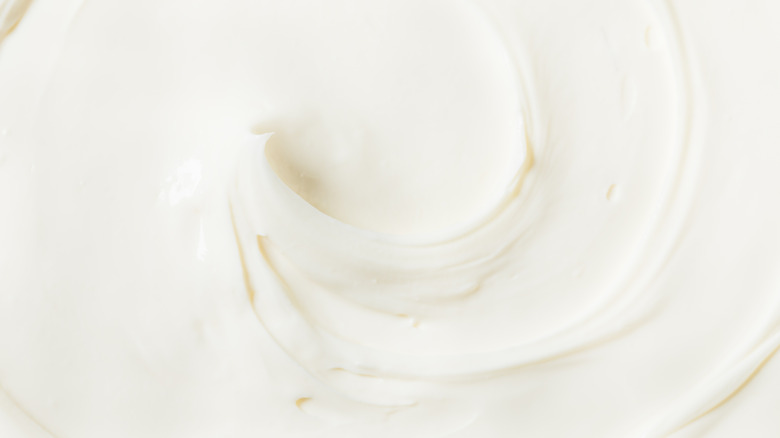
You're at the grocery store getting the ingredients you need to make your cream cheese frosting, and you're in a rush. You can just grab any type of cream cheese out of the refrigerated section and be on your way, right? Not so fast. In reality, the kind of cream cheese you use in your cream cheese frosting recipe can actually make a pretty significant difference in how the final product turns out. "The type of cream cheese matters more than people realize," explains Florencia Cusumano.
So, what type of cream cheese should you be looking for? According to Cusumano, "Full-fat block cream cheese gives you the best structure, while whipped or spreadable versions tend to be too soft and watery to hold a stable frosting." This is not the time to opt for a lighter, lower-fat version of cream cheese — you're making a dessert, not a healthy breakfast, after all. You'll also want to pay attention to the brand of cream cheese you select, as there are some brands that generally offer a higher level of quality than others. We're fans of Philadelphia and Organic Valley cream cheeses.
Overwhipping the cream cheese frosting
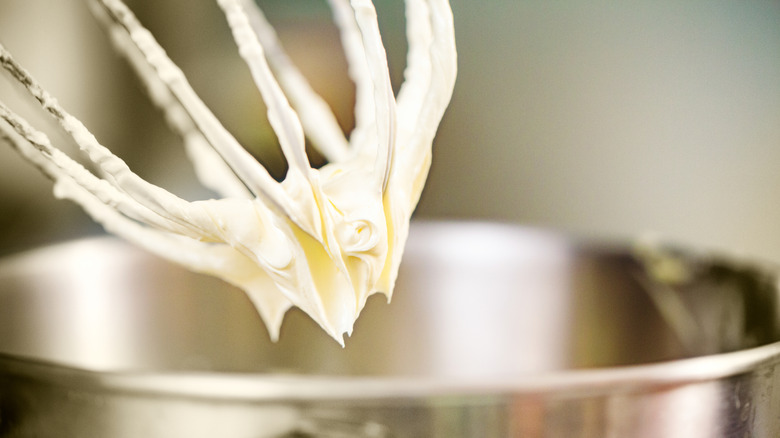
Using overly warm cream cheese is one way to ensure a runny, drippy texture, but it's not the only mistake you can make that will result in a less-than-ideal texture in your cream cheese frosting. Whipping your frosting for too long or too intensely could also cause similar results. "[You] don't want to over-whip the frosting," Devin Sansone explains. "If over-whipped, the frosting can become runny because it will break down the structure."
Throughout the process of making your cream cheese frosting, from start to finish, you'll spend around 10 minutes beating all the ingredients together, although you won't be adding all of the ingredients at once. However, once you have incorporated all of those ingredients, you'll beat the frosting for a final 3 to 5 minutes to ensure that it's light and fluffy. Check your frosting texture and consistency frequently as you're beating, so you know when to stop.
Not incorporating any acidity into your cream cheese frosting
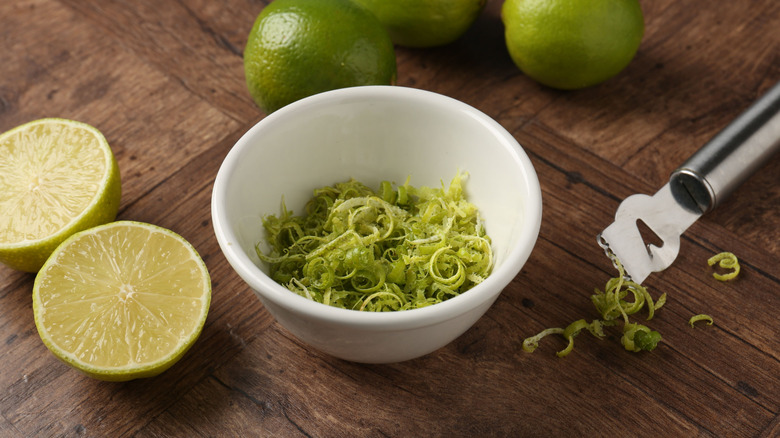
There are plenty of frosting recipes out there that are all about simple sweetness. But a cream cheese frosting is better for those who want a frosting that's richer and more complex than, say, a basic buttercream. In fact, a huge part of the appeal of cream cheese frosting is its signature fresh tang. But why stop at the slight acidity you get in a block of cream cheese when you could add an extra touch of flavor to your frosting?
That's why you may want to consider adding some sort of acidic element to your cream cheese frosting. According to Florencia Cusumano, this is a great way to achieve a more balanced flavor profile in your frosting, helping to counteract that intense sweetness. "A small touch of acidity, like lemon zest or a bit of lemon juice, helps cut through the sweetness and richness so the frosting tastes bright instead of heavy," she says. For an even zingier, fresher touch, try adding some lime zest to your recipe.
Forgetting to taste your cream cheese frosting as you go
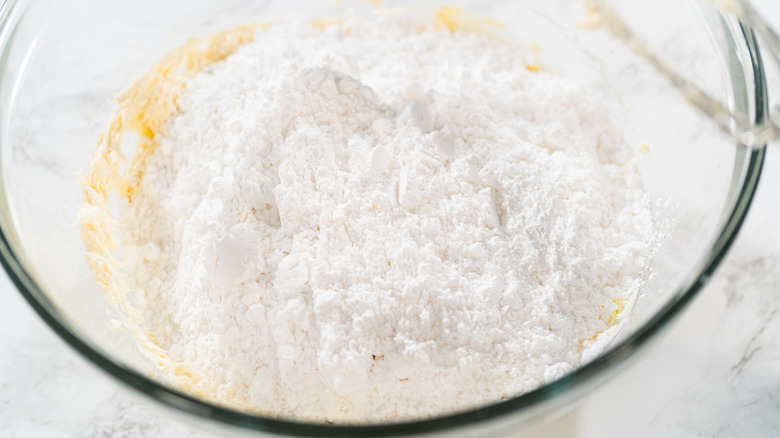
Everyone likes something a little bit different when it comes to frosting. Some prefer super-sweet frostings with so much sugar that they almost crunch. Others like to pull back on that sweetness, highlighting richness or acidity instead. Whatever camp you fall into, you know your preferences better than anyone else. So, even though you're probably following a specific cream cheese frosting recipe (and you should definitely follow a recipe if you're not very familiar with making frosting), you might find that it needs some tweaks to get it to taste like you want it to.
That's why it's a mistake to forget to taste your cream cheese frosting as you go. Once you've added in all the ingredients and started to beat them together, taste a bit of the frosting. Does it need more sugar? More lemon zest? Maybe it needs to be chilled before it's ready to be piped onto the cake? Tasting it is the best way to make last-minute adjustments to balance out those flavors and textures before it's too late.